
Companion Plants
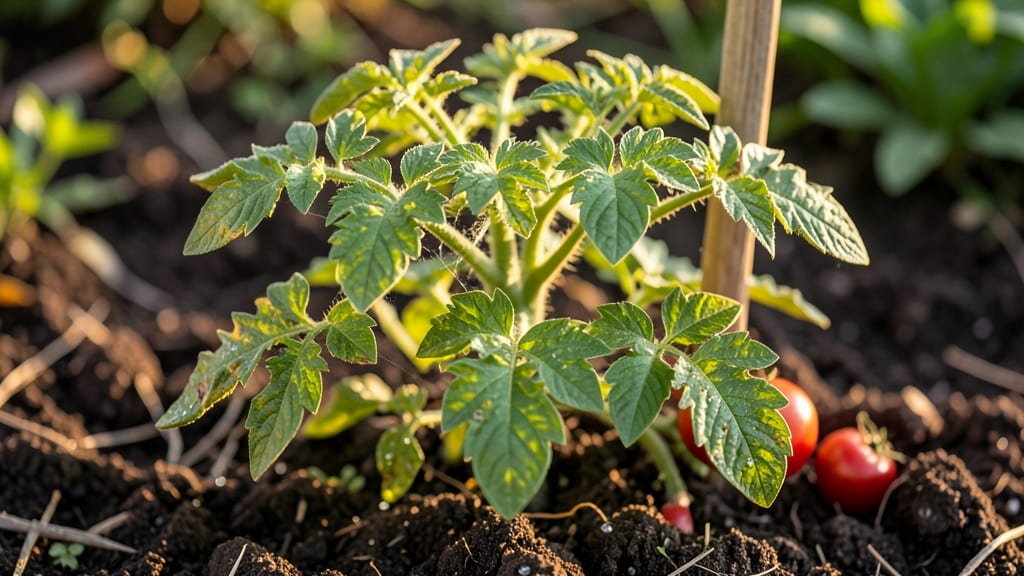
Your tomato plant’s leaves curling up like tiny green parchment?
That’s your plant screaming for help—whether from spider mites, scorching sun, or a nutrient crisis. 🌱 I’ve seen this happen after just one hot afternoon or a week of ignored pests, and the good news is, most cases are fixable with the right moves.
First, check the undersides of leaves for tiny webs or speckled mites—those are classic signs of spider mites. If the soil’s bone-dry or the air feels like a desert, your plants are thirsty for humidity.
Yellowing between veins? It’s likely nitrogen deficiency, not a pest. The key is acting fast—once leaves curl tight, the plant’s already struggling to photosynthesize.
You’ll turn this around in 24-48 hours with proper care: a strong spray of water for mites, shade cloth for sunburn, or a balanced fertilizer for hungry roots.
By the end of the week, those leaves will unfurl again, and your tomatoes will bounce back stronger than before. No more guesswork—just targeted fixes.
This works for greenhouse tomatoes, container plants, or backyard beds. The same principles apply whether you’re dealing with a single plant or a full garden. Let’s get those leaves flat and happy again.
Hidden Stressors Behind Leaf Curls
When your tomato plants’ leaves start curling upward like a defensive shield, it’s rarely a coincidence—it’s their way of signaling distress. 🌱🚨 Understanding the root causes (literally and figuratively) is the first step to reviving your plants.
Below, we break down the most common culprits, from environmental stressors to sneaky pests, with science-backed explanations and actionable clues to diagnose the issue.
Tomatoes thrive in stable warmth (ideal daytime temps: 70–85°F / 21–29°C; nighttime: 60–70°F / 15–21°C). When temps swing wildly—whether from scorching heat, frost, or sudden cold snaps—the leaves curl as a protective response.
Why it happens:
- Heat stress: High temperatures (above 90°F / 32°C) cause osmotic stress, where water evaporates faster than roots can absorb it. Cells lose turgor pressure, making leaves pucker and curl upward to reduce surface area and limit water loss.
- Cold damage: Below 50°F (10°C), tomato cells denature (proteins misfold), disrupting metabolic processes. Curling is a survival tactic to minimize exposure to chilly air.
- Windburn: Strong winds dry out leaf edges, causing desiccation and curling. This is common in exposed garden beds or greenhouses without proper ventilation.
Actionable clues:
- Check for sunburnt patches (white/yellow patches on upper leaves = heat stress).
- Look for purpling on stems or undersides of leaves (cold stress).
- Inspect for dried, crispy edges (windburn).
💡 Pro tip: Use shade cloth (30–50% coverage) during peak sun or row covers for frost protection. Mulch with straw to regulate soil temps.
Tomatoes are drought-tolerant but hate soggy feet. Irregular watering or poor drainage triggers curling as the plant’s way of conserving moisture or drowning in its own misery.
Why it happens:
- Underwatering: When soil dries out, roots struggle to supply water, causing wilting. Leaves curl upward to reduce transpiration (water loss through stomata). Severe cases lead to necrosis (brown, crispy edges).
- Overwatering: Saturated soil cuts off oxygen to roots, leading to root rot (often from Fusarium or Phytophthora fungi). Curling occurs as the plant gasps for air, and leaves may also yellow or develop blackened stems.
- Inconsistent watering: Moisture fluctuations cause osmotic shock, where cells rapidly expand or shrink, leading to curling and blossom-end rot (leathery, curled lower leaves).
Actionable clues:
- Dry, cracked soil + curled leaves = underwatering.
- Soggy soil + foul odor + mushy stems = overwatering.
- Curling + wilting in heat = thirsty plant; curling + limp leaves in cool weather = root stress.
💡 Pro tip: Water deeply 1–2 times per week (1–1.5 inches of water) at the soil base, not overhead. Use drip irrigation or soaker hoses to maintain consistency. Test drainage: If water pools after 30 minutes, amend soil with perlite or sand.
Not all leaf curls are environmental—some are menu items for hungry pests. These critters feed on sap, eggs, or tissue, starving leaves of nutrients and forcing them to curl as a defensive reflex.
Why it happens:
- Spider Mites (🕷️): These tiny arachnids (0.5mm) pierce cells with their stylets, sucking out chlorophyll-rich sap. Damaged cells plasmolyze (collapse), causing bronzing (silver/yellow stippling) and upward curling. Severe infestations create fine webbing on undersides.
- Aphids (🐜): These sap-sucking insects cluster on new growth, injecting toxic saliva that distorts leaves. Curling is the plant’s attempt to seal off the damage. Look for sticky honeydew (aphid poop) and black sooty mold (fungus fed by honeydew).
- Whiteflies (🦋): Like aphids, they excrete honeydew and spread viruses (e.g., Tomato Yellow Leaf Curl Virus). Infested leaves curl and develop yellowish patches.
- Tomato Hornworms (🦋🍅): While they devour leaves, their frass (poop) and saliva can trigger localized curling as the plant reacts to tissue loss.
Actionable clues:
- Webbing + stippling = spider mites.
- Sticky residue + curled new growth = aphids/whiteflies.
- Large, chewed holes + frass = hornworms.
💡 Pro tip: Blast pests off with a strong spray of water, then treat with neem oil (1 tsp/quart of water) or insecticidal soap. Introduce beneficial predators like ladybugs or lacewings to control populations naturally.
Leaves curl when your tomato’s diet is off-balance, whether from starvation or chemical burns. Soil imbalances disrupt cell function, leading to structural deformities.
Why it happens:
- Nitrogen (N) Deficiency: Leaves curl and yellow (chlorosis) because nitrogen is critical for chlorophyll production and cell growth. Older leaves curl first as the plant mobilizes nutrients from them.
- Potassium (K) Deficiency: Potassium regulates water and nutrient transport. Without it, cells lose turgor, leading to scorched, curled edges (especially on older leaves).
- Magnesium (Mg) Deficiency: Magnesium is the center of chlorophyll. A lack causes interveinal chlorosis (
Fixing curled tomato leaves fast
When your tomato plants’ leaves start curling like a crispy taco, panic isn’t your best move—action is! The good news? Most causes of curled leaves have quick fixes, whether it’s a pest party, a thirsty plant, or a sneaky disease.
Below, we break down the solutions by root cause, so you can diagnose and treat your plants like a pro. Plus, we’ll share prevention tips to keep your tomatoes thriving all season.
If tiny bugs, webbing, or chewed leaves are the culprits, it’s time to evict those uninvited guests.
🔥 Step 1: identify the invader
First, inspect your plants closely:
- Spider mites: Look for tiny yellow dots (eggs) or fine webbing on the undersides of leaves.
- Aphids: Spot clusters of small, soft-bodied bugs (green, black, or white) on new growth.
- Whiteflies: Shake the plant over a white sheet—tiny white moths will flutter up.
- Tomato hornworms: Check for striped caterpillars (up to 4 inches long) munching on leaves.
🍳 Step 2: blast them away (natural & chemical options)
For light infestations (fewer than 10 bugs per leaf), try these:
- Spray with soapy water: Mix 1 tsp mild dish soap + 1 quart water in a spray bottle. Drench the undersides of leaves (where pests hide) and repeat every 3–5 days.
- Neem oil: Combine 1 tbsp neem oil + 1 tsp castile soap + 1 quart water. Spray at dusk to avoid harming bees. Reapply weekly.
- Horticultural oil: Use a pre-mixed spray (like Safer Brand) for stubborn pests. Follow label instructions.
For heavy infestations (webs, widespread damage), consider:
- Insecticidal soap: More concentrated than dish soap (e.g., Bonide or Dr. Bronner’s).
- Pyrethrin spray: Derived from chrysanthemums, it kills on contact (but reapply after rain).
- BT (Bacillus thuringiensis): A biological pesticide safe for hornworms and caterpillars.
👨🍳 Step 3: manual removal (yes, really!)
- Drop a white tray under the plant and shake it gently to dislodge pests. Drown them in soapy water.
- Handpick hornworms (they’re easy to spot!) and drop them in a bucket of soapy water.
- Wipe leaves with a damp cloth to remove aphids or whiteflies.
💡 Prevention Pro Tips:
- 🌡️ Encourage beneficial insects: Plant marigolds, dill, or basil nearby to attract ladybugs and lacewings, which eat pests.
- ✨ Yellow sticky traps: Hang them near plants to catch whiteflies and aphids before they multiply.
- 🎯 Rotate sprays: Pests build resistance, so alternate between neem oil and soapy water every few weeks.
If your tomatoes are curled but no pests are present, over- or under-watering (or nutrient imbalance) might be the villain.
🔥 Step 1: check the soil
Stick your finger 1–2 inches into the soil:
- Too dry: Soil feels powdery or cracks easily.
- Too wet: Soil is soggy or smells sour.
- Perfect moisture: Feels like a damp sponge.
🍳 Step 2: adjust watering habits
Tomatoes hate wet feet but also thirsty roots. Follow these rules:
- 💧 Water deeply but infrequently: Aim for 1–1.5 inches per week (more in heatwaves). Use a drip irrigation system or water at the base of the plant (not the leaves).
- ⏰ Morning watering only: Avoid evening watering to prevent fungal diseases.
- 🚫 No overhead sprinklers: Wet leaves = increased pest/disease risk.
🥗 Step 3: balance nutrients
Curling can signal too much nitrogen (lush leaves, no fruit) or deficiencies in calcium, potassium, or magnesium.
- For calcium deficiency (blossom end rot): Sprinkle crushed eggshells around the base or use calcium nitrate (follow package rates).
- For potassium/magnesium: Feed with banana peel tea (steep peels in water for a week) or Epsom salt (1 tbsp per gallon of water, spray leaves).
- For nitrogen overload: Stop high-nitrogen fertilizers (like fish emulsion) and switch to a balanced 10-10-10 or tomato-specific fertilizer.
💡 Prevention Pro Tips:
- 📊 Mulch like a pro: Use straw or wood chips to retain moisture and regulate soil temp.
- 🌡️ Test your soil: A $20 soil test kit reveals pH and nutrient levels—adjust before planting.
- 🎯 Prune wisely: Remove suckers (side shoots) to focus energy on fruit, not foliage.
Extreme heat, cold, or wind can make tomato leaves curl faster than a cat in a sunbeam.
🔥 Step 1: protect from heat & wind
- 🌞 Shade cloth: If temps hit 90°F+, drape 30–50% shade cloth over plants for a few hours daily.
- 💨 Windbreaks: Plant tall sunflowers or corn nearby or use a burlap fence to block gusts.
- 🚫 Avoid plastic mulch: It traps heat—opt for black or straw mulch instead.
Frequently asked questions
Why do my tomato leaves curl upward but no pests are visible?
Curling without visible pests usually means environmental stress or nutrient issues. Check soil moisture—dry soil causes leaves to curl upward to conserve water, while soggy soil triggers root rot. Extreme heat (above 90°F) or cold snaps below 50°F can also force leaves to curl as a protective response. Test your soil pH and look for yellowing between veins (magnesium deficiency) or crispy edges (potassium deficiency).
How do I tell if spider mites are causing my tomato leaves to curl?
Spider mites leave telltale signs: inspect leaf undersides for fine webbing and tiny yellow/brown speckles (their egg sacs). Use a magnifying glass to spot their 0.5mm red/yellow bodies. If you see bronzing (silver/yellow stippling) on upper leaves, it’s a classic mite symptom. Shake the plant over white paper—if tiny dots scatter, you’ve got mites.
Can over-fertilizing make tomato leaves curl?
Too much nitrogen (from fertilizers like fish emulsion) causes lush foliage but no fruit, and leaves may curl as the plant focuses energy on growth instead of structure. Potassium deficiency (from overwatering or poor soil) also curls edges brown. For quick fixes, flush soil with water to remove excess salts, then switch to a balanced 10-10-10 fertilizer or tomato-specific blend.
Will pruning curled leaves help my tomato plant recover?
Prune only the most severely curled or diseased leaves—never more than 25% of the plant at once. Focus on removing leaves with visible pest damage or blackened edges (from sunburn or disease). Healthy leaves photosynthesize to fuel recovery. Avoid heavy pruning during heatwaves or flowering stages, as it stresses the plant further. Always sterilize pruners with rubbing alcohol between cuts.
How long does it take for tomato leaves to unfurl after fixing the problem?
With proper care, you’ll often see improvement in 24-48 hours for environmental issues (water, heat, or wind). Pest-related curling may take 3-7 days to reverse, depending on the infestation severity. Nutrient deficiencies (like magnesium) can take 1-2 weeks to show visible recovery. Monitor soil moisture daily and protect plants from stress factors during this time. Patience is key—don’t prune new growth too soon!