
Companion Plants
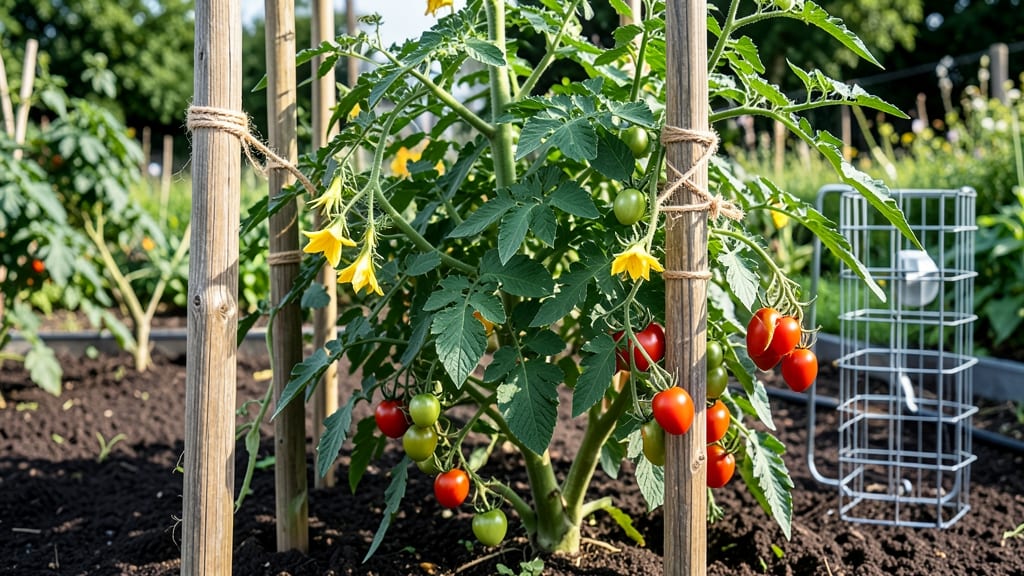
Staking indeterminate tomato plants turns floppy vines into vibrant 8-foot towers loaded with fruit. 🌱 I learned the hard way—last summer, my sprawling 'Sungold' tomatoes flopped onto the ground, rotting before they ripened.
The difference between a handful of tomatoes and a bountiful harvest comes down to support, airflow, and training. You’ll need 3-4 foot stakes (or a sturdy trellis), soft plant ties (no wire—it cuts vines), and a little time each week for pruning.
The goal is to guide the main stem upward while removing suckers (those little shoots in the leaf axils) to focus energy on fruit production. Airflow reduces disease, and proper staking keeps tomatoes off damp soil where they’d rot.
By mid-summer, your plants will climb like jungle vines, producing more tomatoes than you can eat. The key is consistency—check ties weekly and prune aggressively to avoid overcrowding. Even in small spaces, this method works wonders for varieties like 'Cherokee Purple' or 'Brandywine.'
Troubleshoot sagging by adding a second stake or using a cage for extra support. And if you’re in a hot climate, shade cloth helps prevent sunburn on exposed fruit. Here’s how to do it right from day one!
📚 In This Guide
- What you need
- Instructions
- Tips and common mistakes
- Wrapping up and next steps
What you need
- ● Stakes: Choose between: 5–7 ft wooden stakes (1–2 inches thick) – 2–4 per plant (depending on plant size and wind exposure).
- ● 6 ft metal or PVC stakes (½–1 inch diameter) – 1–2 per plant (durable and reusable).
- ● Bamboo tomato cages (5–6 ft tall) – 1 per plant (great for smaller gardens).
- ● Ties: Soft garden twine (50–100 ft roll) – biodegradable or cloth (avoid plastic).
- ● Velcro or fabric plant ties (10–20) – reusable and gentle on stems.
- ○ Support Structures (Optional but Helpful): Tomato trellis or A-frame – For heavy plants in windy areas.
- ● Florida weave fabric (50 sq ft) – To secure stakes and reduce tying frequency.
- ● A healthy indeterminate tomato plant (transplanted or grown from seed).
- ● Well-draining soil with compost or fertilizer (balanced 10-10-10 or organic options).
- ● Access to sunlight (6–8+ hours daily) and water (consistent moisture).
- ○ Optional: Pruning shears (for trimming suckers later) and a mulch blanket (to retain moisture).
Step-by-step guide to staking indeterminate tomato plants
Here's how I keep my vining tomatoes growing strong and productive all season long.
🪴 Step 1: Choose the Right Support System
Indeterminate tomatoes need strong, flexible support that can handle 6-10 feet of growth. I use 5-foot bamboo stakes for smaller varieties and 6-foot wooden or metal stakes for vigorous growers. For extra stability, I sometimes tie 3 stakes together in a triangle to create a more rigid frame.
If you prefer a softer approach, tomato cages work well—but only if you install them before the first vine reaches 12 inches tall. The heavier the fruit load, the more the cage will bend, so I reinforce mine with extra cross-bracing if I'm growing heirloom varieties with massive tomatoes.
🌱 Step 2: Install Stakes Early and Secure the Plant
Drive the stake 2-3 inches deep into the soil 2-3 inches away from the main stem, on the side opposite the prevailing wind. This prevents the plant from leaning into the stake as it grows. I like to gently tie the stem to the stake with soft cloth strips or old T-shirts—never wire or anything that can cut into the stem.
The key here is gentle pressure. You want the plant to grow toward the stake naturally, not be forced against it. If the stem starts to bend, loosen the tie immediately. I check ties every 3-4 days in windy conditions to make sure they're still snug but not restrictive.
☀️ Step 3: Train Vines as They Grow
As the main stem reaches the top of the stake, pinch off the growing tip just above a leaf cluster. This encourages the plant to branch out laterally, creating more fruiting sites. I also weave the main vine around the stake in a gentle spiral—this helps distribute weight and prevents the plant from toppling in storms.
Watch for suckers (those little shoots that grow in the leaf axils). Remove them within 24 hours—they sap energy from the main plant. But leave the first few suckers near the base if you want a bushier plant. The goal is to keep 3-4 strong main stems growing upward, not a tangle of weak shoots.
💧 Step 4: Adjust Support as the Plant Matures
When the plant hits half the stake's height, it's time to add a secondary support. I either tie a second stake diagonally or loop a soft rope between two stakes to create a trellis effect. This helps distribute the weight of heavy fruit clusters and prevents the main stem from snapping.
Here's the thing—indeterminate tomatoes keep growing until frost. By mid-summer, you may need to add a third stake or tie the vines to a overhead line if they're spilling over the garden bed. I always keep extra ties on hand because a sudden rainstorm can turn a sturdy plant into a floppy mess overnight.
✂️ Step 5: Prune and Maintain Through the Season
Pruning isn't just about support—it's about airflow and sunlight penetration. Remove yellow leaves (they're dead weight) and any leaves touching the soil (they invite disease). I also trim back overcrowded branches to let light reach the lower fruit clusters.
Check your ties weekly—vines thicken as they grow, and what was snug last week might be cutting into the stem now. If you see dark marks or indentations, loosen the tie immediately. A well-supported indeterminate tomato can produce pounds of fruit, but only if you're proactive about maintenance.
Tips & tricks for staking indeterminate tomato plants
Let me save you the frustration I went through before I figured out these game-changing tricks.
Support System Strategy: For extra stability with heirloom varieties, I recommend using three 5-foot bamboo stakes tied together in a triangle. This creates a more rigid frame that won't wobble when heavy fruit sets in. If you're using tomato cages, install them before the plant reaches 12 inches tall—any later and you'll struggle to get them on without damaging the plant. For windy areas, consider adding a cross-brace between stakes to prevent leaning.
Tie Technique: The every 3-4 days check I mentioned isn't just about wind—it's about growth. Vines thicken rapidly, and what feels snug one day can become restrictive the next. I use soft cloth strips or old T-shirts because they stretch with the plant. Pro tip: Always tie above a leaf node (the bump where leaves grow out) so the plant can grow through the tie as it stretches upward. Never tie directly over the stem itself.
Pruning Insight: When you remove those suckers within 24 hours, you're not just preventing overcrowding—you're directing the plant's energy toward fruit production. I leave the first few suckers near the base because they can develop into strong secondary stems. But once you get above the first 6-8 inches, remove every sucker to keep the plant's energy focused on upward growth and fruit development.
Season-Long Maintenance: That weekly tie check is non-negotiable, especially as the plant matures. I keep a small bag of soft ties in my gardening toolbox for quick adjustments. Look for dark marks or indentations where ties are too tight—these are early warning signs of stem damage. Also, trim back any leaves touching the soil to prevent disease, but leave plenty of foliage to provide shade for developing fruit.
Pro Tips for Staking Indeterminate Tomato Plants
- Let me save you the frustration I went through before I figured out these game-changing tricks.
- Support System Strategy: For extra stability with heirloom varieties, I recommend using three 5-foot bamboo stakes tied together in a triangle.
- Tie Technique: The every 3-4 days check I mentioned isn't just about wind—it's about growth.
Frequently asked questions
Got questions about staking indeterminate tomato plants? You’re not alone! Here are answers to the most common concerns to help you grow like a pro.
When is the best time to start staking indeterminate tomato plants?
Stake indeterminate tomatoes early—as soon as you transplant seedlings into the garden (or when they’re about 6–8 inches tall). These vines grow fast and need support before they become top-heavy. Use soft ties (like old T-shirts or plant clips) to avoid damaging stems.
How tall should stakes or cages be for indeterminate tomatoes?
Indeterminate varieties can grow 6–10+ feet tall! Opt for stakes 7–8 feet high or cages 5–6 feet tall to prevent sprawling. If using trellises, ensure they’re sturdy—these plants get heavy with fruit! Bury stakes 1–2 feet deep for stability.
What if my staked tomatoes are wilting or drooping?
Wilting can mean overwatering, underwatering, or root stress. Check soil moisture (1–2 inches deep should stay consistently damp). If stems feel mushy, it’s blight—prune infected leaves and improve airflow. For heat stress, provide afternoon shade until plants acclimate.
Can I switch from cages to stakes (or vice versa) mid-season?
Yes, but do it carefully! If moving from cages to stakes, gently untangle vines and re-tie them to the new support. Avoid pruning too much at once—focus on gradual adjustments to minimize stress. Time it during cooler mornings for best results.
Are there alternatives to traditional stakes or cages?
Try floral wire trellises, bamboo stakes, or even DIY wooden A-frames. For small spaces, vertical towers (like the "Florida Weave" method) work great. Just ensure your alternative is durable and weather-resistant—these plants need reliable support!
Wrapping up and next steps
Staking indeterminate tomato plants isn’t just about support—it’s your ticket to bigger, healthier, and more abundant harvests! 🌱 By choosing the right stakes, tying techniques, and pruning strategies, you’ll transform floppy vines into towering powerhouses of flavor.
Whether you’re a seasoned gardener or a curious beginner, every step you take brings you closer to a garden bursting with juicy, sun-ripened tomatoes.
Ready to put your new skills into action? Start by assessing your garden space—sketch a simple plan for your stakes and trellises, then gather your supplies.
Before you know it, those indeterminate beauties will be reaching for the sky, and you’ll be reaping the rewards of your hard work. Happy staking—and may your harvest be legendary! 🍅✨