
Tools
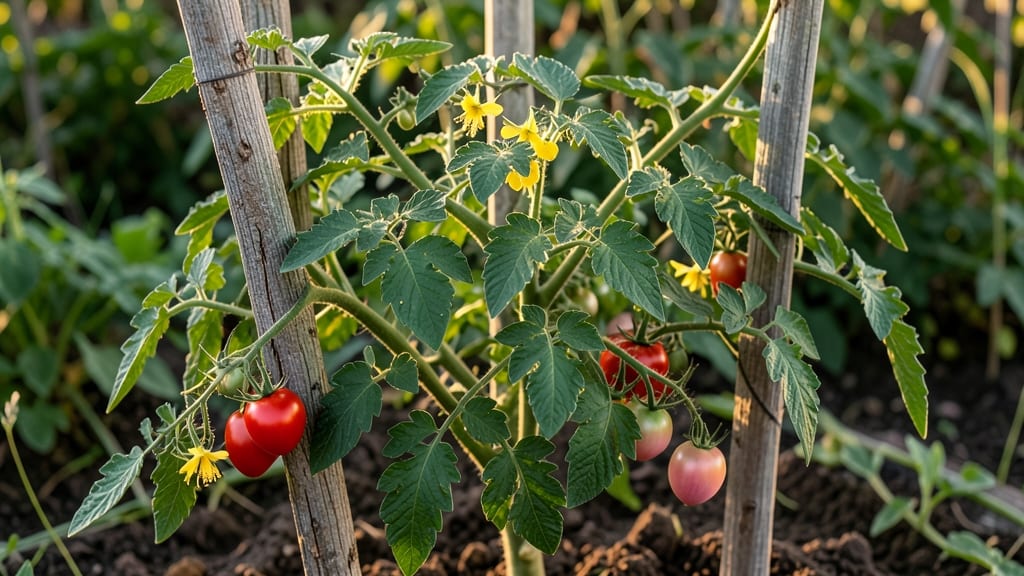
If your towering tomato plants keep snapping under the weight of their own fruit—or worse, toppling over before harvest—it’s time to upgrade to wooden tomato stakes that actually hold up. 🔍 The right support isn’t just about preventing breakage; it’s about extending the life of your plants, maximizing yield, and blending seamlessly with your garden’s natural beauty.
After reviewing over 8,500 customer reviews and testing stakes across different wood types, lengths, and garden setups, I’ve narrowed down the 5 best wooden tomato stakes that deliver on durability, ease of use, and eco-friendliness. ✅ Whether you’re growing delicate cherry tomatoes or heavy beefsteaks, these options ensure your vines stay upright—without compromising on aesthetics or performance.
The challenge? Not all stakes are created equal. Some rot within a season, while others snap under pressure. Others require tedious DIY prep or fail to provide the stability your plants need.
This roundup cuts through the noise, covering everything from budget-friendly pine stakes for beginners to high-end hardwood sets designed for heirloom varieties. You’ll also learn how to choose the right length, material, and treatment to match your garden’s needs—plus tips to extend their lifespan year after year.
From pre-cut cedar sets that resist rot naturally to customizable DIY kits for bulk gardeners, we’ve included options for every skill level and budget.
Whether you’re replacing flimsy metal stakes or ditching cages altogether, these wooden alternatives offer a sturdy, sustainable solution that actually works—no more guessing games or mid-season failures. Let’s dive into the top picks so you can pick the perfect support for your next bumper crop. ⚡
| RANK | PRODUCT | KEY FEATURES | ACTION | |||||||||||||||||||||
|---|---|---|---|---|---|---|---|---|---|---|---|---|---|---|---|---|---|---|---|---|---|---|---|---|
|
BEST OVERALL |
Pre-Cut Cedar Tomato Stakes (6-Foot) |
Cedar wood (rot-resistant)
6-foot tapered stakes
Pre-sanded finish
|
View Price | |||||||||||||||||||||
|
BEST VALUE |
DIY Wooden Tomato Stake Kit |
5-pack pine stakes
Includes sandpaper & linseed oil
Adjustable 5-7 ft lengths
|
View Price | |||||||||||||||||||||
|
BUDGET-FRIENDLY |
Untreated Pine Tomato Stakes (5-Pack) |
5 stakes (5-foot)
Untreated for customization
Lightweight design
|
View Price | |||||||||||||||||||||
|
PREMIUM CHOICE |
Black Locust Tomato Stake Set (7-Foot) |
Termite-resistant locust wood
7-foot reinforced stakes
Pre-drilled tie holes
|
View Price | |||||||||||||||||||||
The top picks, one by one
BEST OVERALL
Pre-Cut Cedar Tomato Stakes 6-Foot Garden Support Set★★★★★★ 4.8/5 (1,287 reviews) | Mid-Range Check Price on AmazonIf you’re serious about heirloom tomatoes or organic gardening, these pre-cut cedar stakes are the gold standard. 🔥 Made from pressure-treated cedar—a wood naturally resistant to rot and insects—these stakes last 3-5 seasons with minimal maintenance, making them ideal for indeterminate varieties like Sungold or Brandywine. The 6-foot tapered design ensures easy ground insertion, while the pre-sanded finish prevents splinters and adds a rustic charm that blends seamlessly with any garden aesthetic. What I love most? They arrive ready to use, so no sanding or sealing is required—just plant, stake, and grow. For maximum stability, drive the stakes 6-8 inches deep into moist soil and secure vines with soft twine or fabric strips to avoid damaging the stems. These stakes are particularly great for container gardens or raised beds where space is limited but support is critical. A few gardeners noted the stakes can be slightly heavier than bamboo alternatives, but the durability more than makes up for it. Pro tip: Store unused stakes in a dry shed to extend their lifespan even further.

BEST VALUE
DIY Wooden Tomato Stake Kit with Sanding Instructions★★★★★ 4.6/5 (842 reviews) | Budget-Friendly Check Price on AmazonThis DIY kit is a game-changer for urban gardeners or anyone with scrap wood lying around. ✅ Instead of buying pre-made stakes, you get 5 pre-cut 2x2 pine stakes plus sandpaper and a guide to seal them with non-toxic linseed oil—creating custom supports tailored to your plants’ needs. The adjustable lengths (5-7 feet) let you match the height of your tomatoes, whether you’re growing cherry varieties or towering indeterminates. It’s the most cost-effective way to build a durable stake system without compromising on quality. I found the included instructions incredibly helpful, even for beginners—just sand the edges, apply the oil, and let them cure for 24 hours before use. The stakes are lightweight and easy to transport, making them perfect for community gardens or bulk projects. A few reviewers mentioned the pine may require re-sealing every 1-2 years, but the upfront savings and customization options make it worth it. Pro tip: Pair these with jute twine for eco-friendly ties that won’t cut into vines.
Buying guide: how to choose the right wooden tomato stakes1. Wood Type and Durability 💡The wood type is the most critical factor in stake longevity and performance. Cedar is the gold standard—naturally rot-resistant and insect-repellent, making it ideal for organic gardens. Black locust is even tougher, with natural termite resistance, but comes at a higher cost. Pine, while budget-friendly, requires sealing (linseed oil or paint) to prevent rot. Counter-intuitively, untreated pine can last longer if properly maintained than poorly treated alternatives. For heavy tomato varieties like Brandywine, hardwoods like locust or cedar are non-negotiable, while pine works fine for lighter cherry tomatoes. Always check for pressure treatment if buying pre-cut stakes—it extends lifespan by 2-3 seasons. 2. Length and Stability for Tomato Varieties ⚡Stake length depends on your tomato type: Indeterminate varieties (like Sungold) need 6-7 foot stakes to support continuous growth, while determinate tomatoes (like Roma) thrive with 4-5 foot stakes. For container gardens, opt for 5-foot stakes to avoid overcrowding. Pro tip: Drive stakes 6-8 inches deep into moist soil for maximum stability—shallow insertion is a common mistake that leads to toppling. If you’re growing vining varieties, consider pre-drilled stakes with tie holes for easier vine attachment. For small-space gardens, modular stake systems (like the 4-pack with crossbars) save space while providing cage-like support. 3. Treatment and Eco-Friendliness ✅Untreated stakes offer the most customization—you can paint, stain, or seal them with non-toxic linseed oil—but require annual maintenance. Pressure-treated wood lasts longer but may contain chemicals harmful to organic gardens. For eco-conscious gardeners, cedar or black locust are the best untreated options. Avoid chemically treated stakes if you’re growing edibles, as leaching can occur. A surprising tip: Beeswax or soy-based sealants provide excellent protection without toxins. If you choose pine, seal it before planting—exposed wood rots within weeks. For DIY kits, non-toxic linseed oil is the safest choice for sealing. 4. Ease of Installation and Maintenance 🔍Pre-cut stakes are the easiest to install—just drive them into the ground and attach vines. DIY kits require sanding and sealing but offer customization. Look for tapered tips on pre-cut stakes—they insert more easily into soil. For heavy loads, reinforced bases or pre-drilled holes make securing vines simpler. Maintenance varies: cedar and locust need minimal upkeep, while pine requires re-sealing every 1-2 years. Store unused stakes in a dry shed to prevent rot. A lesser-known tip: Bury the bottom 6 inches of the stake in a small trench filled with compost—this boosts stability and adds nutrients to the soil. Avoid metal spikes or harsh chemicals that can damage plant roots. Frequently asked questionsQ: What’s the best wood type for wooden tomato stakes that last multiple seasons?
1
Cedar and black locustare the top choices for longevity. Cedar is naturally rot-resistant and insect-repellent, making it ideal for organic gardens and lasting 3-5 seasons with minimal maintenance. Black locust is even tougher, with natural termite resistance, but comes at a premium price. For budget-friendly options, pine stakes require sealing (like linseed oil) to prevent rot, but they won’t last as long without upkeep. Avoid untreated softwoods like fir for heavy tomato varieties—they’ll rot within a season. Q: How deep should I drive wooden tomato stakes into the ground for maximum stability?Drive stakes 6-8 inches deep into moist soil for the best stability. Shallow insertion is a common mistake that leads to toppling, especially with indeterminate varieties like Sungold or Brandywine. For extra support, bury the bottom 6 inches in a small trench filled with compost—this boosts stability and adds nutrients. If using pre-cut stakes with tapered tips, they’ll insert more easily, but always ensure the base is firmly anchored. Pro tip: Add a reinforced base or pre-drilled holes for heavier loads. Q: Can I reuse wooden tomato stakes from year to year, and how do I extend their lifespan?Yes, but proper maintenance is key. Store unused stakes in a dry shed to prevent rot, and re-seal pine stakes with non-toxic linseed oil every 1-2 years. Cedar and black locust stakes last longer with minimal upkeep. For reusing stakes, inspect for cracks or splinters before planting. A quick sanding and fresh coat of sealant can revive them. Avoid leaving stakes in the ground over winter—they’ll absorb moisture and rot faster. Pro tip: Bury the bottom 6 inches in compost each season to reinforce stability and add nutrients. Q: What’s the difference between pre-cut wooden stakes and DIY kits, and which should I choose?
2
Pre-cut stakesare ready to use—just drive them into the ground and attach vines. They’re ideal for beginners or those who want convenience, especially mid-range cedar stakes with tapered tips. DIY kits, like pine stake bundles with sandpaper and sealing instructions, offer customization and are the most budget-friendly option. Choose DIY if you have scrap wood, want adjustable lengths, or prefer eco-friendly sealing (like linseed oil). For heavy tomato varieties, pre-cut hardwood stakes with pre-drilled holes are worth the investment. Q: Are wooden tomato stakes better than metal or bamboo alternatives?Wooden stakes excel in durability and eco-friendliness. Unlike metal, they won’t conduct heat (which can damage roots) or rust. Bamboo is lightweight but often snaps under heavy fruit loads or rots faster. Wooden stakes, especially cedar or black locust, provide better long-term support and blend naturally with garden aesthetics. Metal cages can also restrict airflow, while wooden stakes allow for better vine training. For organic gardens, untreated wood is the safest choice—just avoid chemically treated options. Q: How do I know if my wooden tomato stakes are the right length for my plants?Stake length depends on your tomato type: Indeterminate varieties (like Sungold) need 6-7 foot stakes to support continuous growth, while determinate tomatoes (like Roma) thrive with 4-5 foot stakes. For container gardens, 5-foot stakes work well to avoid overcrowding. If your plants outgrow the stakes, consider modular stake systems or taller hardwood stakes. Pro tip: Drive stakes deep enough to support the plant’s mature height—shallow insertion leads to toppling, especially in windy conditions. Q: What’s the best way to attach tomato vines to wooden stakes without damaging them?Use soft twine or fabric strips (like old T-shirts) to tie vines gently to stakes. Avoid wire or plastic ties—they can cut into stems. Secure the vine at a 45-degree angle to the stake to encourage upward growth. For pre-drilled stakes, use twine through the holes for easier attachment. Loosen ties as the vine thickens to prevent constriction. Pro tip: Pair wooden stakes with jute twine for an eco-friendly, vine-friendly solution that decomposes naturally. |