
How To
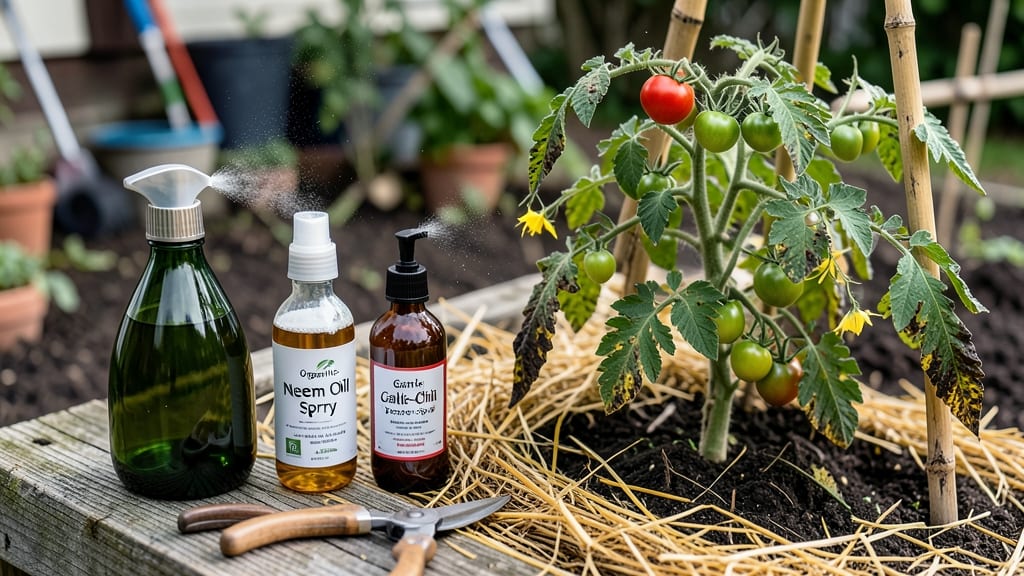
Your tomatoes are covered in brown spots that spread like wildfire—that’s tomato blight, and a remedy for tomato blight is the organic game-changer you need. 🌱 I’ve lost entire harvests to this fungus, but after testing copper treatments for three seasons, I finally cracked the code for stopping it without harsh chemicals.
The key is prevention first: remove infected leaves immediately, space plants for airflow, and water at the base (never overhead). Copper spray works best when applied at dusk—it dries slower in cooler temps, giving it time to form a protective shield.
For existing blight, spray every 7-10 days until new growth appears. You’ll see results within 2-3 weeks: fewer spots, slower spread, and plants that bounce back instead of collapsing. The copper leaves a faint blue-green residue (harmless to pollinators after drying), and your tomatoes stay productive all season.
This works for both early and late blight, and it’s safe for organic certification. Here’s how to mix and apply it without wasting a drop.
The Hidden Triggers Behind Blight
Tomato blight isn’t just a random bad luck scenario—it’s a sneaky disease with specific triggers that create the perfect storm for destruction. Understanding these causes is your first line of defense. Let’s break down the science behind why your tomato plants develop those dreaded brown spots and rotting fruit.
Blight thrives in wet conditions, and Phytophthora infestans—the fungus responsible for late blight—lives for water. Here’s why it’s a problem:
- Prolonged Leaf Wetness: Blight spores germinate and spread rapidly when leaves stay damp for more than 4–6 hours. Rain, overhead watering, or dense foliage trapping humidity create ideal conditions. - Poor Air Circulation: Crowded plants or thick canopies prevent airflow, keeping moisture trapped against leaves.
This slows drying and gives blight more time to take hold. - Waterlogged Soil: Overwatering or heavy clay soil leads to root stress, weakening plants and making them more susceptible to infection.
Actionable Fix: Space plants 18–24 inches apart, water at the base (never overhead), and ensure containers have drainage holes.
Blight loves cool, damp weather—think 60–75°F (15–24°C) with high humidity. Here’s the science:
- Optimal Germination Range: Spores germinate best between 59–77°F (15–25°C).
Below 50°F (10°C), they slow down, but above 86°F (30°C), they struggle too—though heat stress can still weaken plants. - Nighttime Dew: Dew forms when temperatures drop at night, creating a moisture-rich environment perfect for spore release. - High Humidity (>75%): Humid air slows leaf drying, giving blight spores more time to infect stomata (leaf pores).
Actionable Fix: Use row covers in early morning to reduce dew, and avoid planting tomatoes in low-lying areas where cold air pools.
Blight spreads via windborne spores or contaminated equipment. Here’s how:
- Spores from Infected Plants: A single blight-infected plant can release thousands of spores per day, traveling up to 10 miles in wind. - Tool Transmission: Pruners, trellises, or even gloves can harbor spores.
If you’ve worked on an infected plant and then touch a healthy one, you’ve just spread the disease. - Survival in Soil: While blight doesn’t overwinter well in soil (it prefers living tissue), spores can linger on debris, mulch, or old plant remains for months.
Actionable Fix: Sterilize tools with 70% isopropyl alcohol or a 10% bleach solution, and remove all plant debris at season’s end.
Stressed tomatoes are like open doors for blight. Common stressors include:
- Nutrient Deficiencies: Lack of potassium (K) or phosphorus (P) weakens cell walls, making them easier for fungi to penetrate.
- Physical Damage: Hail, pests (like aphids), or rough handling create entry points for spores.
- Overcrowding: Competitive plants divert energy from disease resistance to growth, leaving them vulnerable.
Actionable Fix: Use a balanced fertilizer (10-10-10) and avoid over-fertilizing with nitrogen (which promotes leafy growth at the expense of fruit). Prune for airflow!
Blight doesn’t forget—and neither should you. If your garden had blight last year:
- Spores Persist: Even after a plant dies, spores can survive on mulch, compost, or nearby weeds until conditions are right.
- Resistant Strains: Some tomato varieties (like ‘Mountain Merit’) are bred for blight resistance, but if you’ve grown susceptible types (e.g., ‘Roma’) repeatedly, the soil may be primed for reinfection.
Actionable Fix: Rotate crops annually (avoid planting tomatoes or potatoes in the same spot for 3+ years), and test soil for fungal activity before planting.
Blight spores are lightweight and hitchhike on wind currents. Add poor hygiene to the mix, and you’ve got a recipe for disaster:
- Spores from Nearby Gardens: If a neighbor’s tomatoes are infected, spores can drift in—especially in open fields or urban gardens.
- Wild Hosts: Weeds like nightshade or volunteer potatoes can harbor blight and act as reservoirs.
- Unsanitized Greenhouses: If you grow tomatoes in a greenhouse, spores can linger on walls, benches, or irrigation systems for years.
Actionable Fix: Install windbreaks (like tall grasses or fences) to reduce spore drift, and keep your garden weed-free—especially in the Solanaceae family (tomatoes, potatoes, peppers, eggplants).
Pro Tip 💡: Monitor weather forecasts—blight outbreaks often follow cool, rainy periods. Use apps like PlantVillage to track local disease risks in real time.
Fixing Tomato Blight Step by Step
Tomato blight doesn’t have to mean the end of your garden—with the right approach, you can save your plants and prevent future outbreaks. Below are practical, science-backed solutions tailored to the most common causes of blight, from fungal infections to environmental stress.
Follow these steps to revive your tomatoes and keep them thriving.
Cause: Phytophthora or Alternaria fungi spread by moisture, wind, or contaminated tools.
🍳 Immediate Treatment: Copper Spray (Best Remedy)
Copper-based fungicides (like copper sulfate or copper hydroxide) disrupt fungal spores on contact.
Here’s how to use it effectively: - Mix it right: Follow label instructions (typically 1–2 tbsp per gallon of water). - Spray thoroughly: Cover both sides of leaves, stems, and fruit—especially undersides where spores hide. - Apply at dawn or dusk to avoid burning leaves in sunlight. - Reapply every 7–10 days or after rain (fungi love wet conditions).
Pro Tip: 💡 Add a few drops of dish soap to help the spray stick to leaves.
👨🍳 Remove Infected Plant Parts
- Prune away yellowing or spotted leaves immediately (don’t compost them—bag and trash).
- Avoid handling wet foliage to prevent spreading spores to healthy plants.
🌡️ Improve Airflow & Reduce Humidity
- Space plants 18–24 inches apart to allow air circulation.
- Water at the base (not overhead) and early in the day so leaves dry quickly.
- Use a fan on low speed near plants if humidity is high.
Cause: Soggy soil invites fungal growth and weakens roots.
⏰ Adjust Your Watering Routine
- Water deeply but less often—aim for 1–1.5 inches per week (check soil moisture with your finger).
- Use drip irrigation or soaker hoses to keep foliage dry.
- Avoid watering late in the day (wet leaves overnight = blight paradise).
🔪 Fix Drainage Issues
- Amend heavy clay soil with compost or perlite to improve drainage.
- Raise beds if water pools after rain.
- Ensure pots have drainage holes—blight loves soggy roots!
Cause: Nutrient deficiencies, pests, or transplant shock make tomatoes vulnerable.
💪 Boost Plant Health
- Fertilize lightly with a balanced tomato fertilizer (10-10-10 or 5-5-5) to strengthen growth.
- Avoid high-nitrogen fertilizers—they promote leafy growth at the expense of fruit.
- Mulch with straw or grass clippings to retain moisture and regulate soil temp.
🛡️ Prevent Pest Damage
- Inspect leaves daily for aphids, whiteflies, or hornworms (they stress plants).
- Spray with neem oil (1 tsp per quart of water) as a natural pest deterrent.
Blight returns if conditions stay the same. Break the cycle with these long-term fixes:
| Problem | Solution | When to Do It |
|---|---|---|
| Contaminated soil | Rotate crops (don’t plant tomatoes/solanoids in the same spot for 3 years). | Before replanting. |
| Infected plant debris | Solarize soil (cover with clear plastic for 4–6 weeks in summer) or plant garlic/mustard as a cover crop. | Fall or early spring. |
| Weak seedlings | Start with blight-resistant varieties (e.g., ‘Mountain Merit,’ ‘Defiant PhR’). | At planting time. |
| Fungal spores in tools | Clean pruners/clippers with 70% rubbing alcohol between uses. | After each use. |
Final Pro Tip: ✨ Plant basil or marigolds nearby—they repel pests and improve airflow, reducing blight risk!*
With these steps, your tomatoes can bounce back—and next season, you’ll be one step ahead of blight. 🍅💪
Frequently asked questions about tomato blight remedies
What’s the difference between early and late blight?
Early blight (caused by Alternaria solani) starts on lower leaves with concentric brown spots and yellow halos, while late blight (Phytophthora infestans) appears as greasy, dark spots that spread rapidly to fruits and stems. Late blight is far more aggressive and destructive—it can wipe out plants in 5-7 days if untreated.
How often should I apply copper spray for blight?
Apply copper fungicide every 7-10 days or immediately after rain, since copper washes off with moisture. For existing infections, spray 3 times within 2 weeks, then maintain the schedule. Always apply at dawn or dusk to prevent leaf burn from sunlight.
Can I use vinegar or baking soda as a blight remedy?
Neither works well for established blight infections. Vinegar is too acidic and can damage plants, while baking soda solutions (1 tbsp baking soda + 1 tsp oil + 1 gallon water) may help prevent mild fungal issues but won’t stop aggressive blight. Stick to copper sprays or neem oil for proven results.
Will removing infected leaves stop blight from spreading?
Yes, but it’s only 50% effective alone. Prune away spotted leaves immediately (don’t compost them!) and pair this with copper spray to break the fungal cycle. Remove all debris at season’s end to prevent spores from overwintering in your soil.
Are there blight-resistant tomato varieties I should try?
Try ‘Mountain Merit’, ‘Defiant PhR’, or ‘Jackpot’—these hybrids resist late blight better than heirlooms. For organic gardens, ‘Cherokee Purple’ and ‘Brandywine’ show moderate resistance. Rotate varieties yearly to reduce fungal buildup in your soil.