
Companion Plants
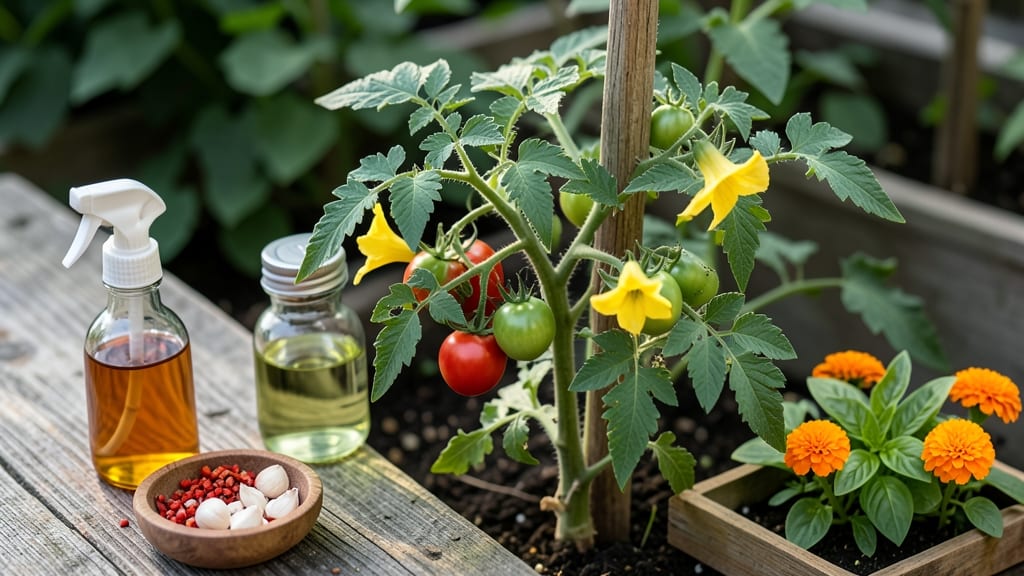
Your tomato plants can stay pest-free without harsh chemicals—starting tonight. 🌱 The secret lies in natural pest repellent sprays that work faster than you’d expect, using ingredients you already have.
I’ve battled aphids, hornworms, and spider mites with these same methods, and my plants now thrive without a single chemical spray.
These homemade solutions target pests at their weakest points—smell, taste, and physical barriers. A simple garlic spray deters aphids within hours, while neem oil smothers eggs and disrupts hornworm life cycles.
The best part? No waiting weeks for results—just mix, spray, and watch pests vanish. Even my black thumb can’t mess this up.
You’ll end up with vibrant, healthy tomato plants that produce more fruit with fewer blemishes. The sprays are safe for pollinators, won’t harm your soil, and cost pennies compared to store-bought pesticides. Plus, the process takes less than 15 minutes to whip up.
Works for greenhouses, containers, and in-ground gardens alike. Whether you’re dealing with a sudden infestation or just want preventive care, these sprays keep your tomatoes protected season after season. Let’s get those plants back to focusing on growing—not fighting off bugs.
Root Causes of Tomato Plant Pests
Tomato plants are a magnet for pests—not because they’re weak, but because they’re too delicious. 🍅🐛 Their sweet, juicy fruits and tender leaves make them a prime target for insects and critters. But why do these problems happen in the first place? Let’s break down the science behind the chaos.
Pests thrive in stagnant, humid environments where moisture lingers.
When tomato plants are planted too closely together, airflow is restricted, creating the perfect breeding ground for: - Fungal diseases (like early blight) that attract insects like aphids and whiteflies. - Soft-bodied pests that love damp, sheltered spots to feed and reproduce.
Why it matters: Poor airflow also stresses plants, weakening their natural defenses. A stressed tomato is like an all-you-can-eat buffet for hornworms and spider mites.
Tomatoes need a balanced diet of nitrogen (for foliage), phosphorus (for roots), and potassium (for fruit).
When one nutrient is missing or overabundant, plants become vulnerable: - Too much nitrogen? Lush, soft leaves attract Japanese beetles and slugs. - Too little potassium? Weak stems invite borers and blight, which then draw in secondary pests. - Zinc or magnesium deficiencies? Yellowing leaves (chlorosis) make plants less resilient to attacks.
The fix? A soil test reveals imbalances—don’t guess! Compost and organic amendments (like banana peels for potassium) can restore harmony.
Tomatoes are chemically designed to attract pollinators—but that same chemistry lures pests.
Their: - Volatile organic compounds (VOCs) signal insects like hornworms and fruit flies that "food is here!" - Sugary nectar on flowers draws aphids, which then spread viruses like tobacco mosaic. - Thick foliage provides hiding spots for earwigs and cutworms.
Nature’s irony: The same traits that make tomatoes productive also make them irresistible to pests. But don’t despair—we’ll turn these weaknesses into strengths with natural repellents!
Pests don’t attack randomly—they follow the calendar and weather:
- Warm, humid summers (60–85°F) speed up aphid and whitefly reproduction.
- Dry spells stress plants, making them produce more sugars (a pest buffet).
- Cool nights slow down beneficial predators (like ladybugs), giving pests the upper hand.
Pro tip: 🌡️ Monitor your local microclimate. If your garden is a pest hotspot, adjust planting times or use shade cloth to disrupt their life cycles.
Healthy gardens have a food chain—ladybugs eat aphids, birds snack on caterpillars, and parasitic wasps control hornworms.
But when gardens lack biodiversity: - Monoculture planting (rows of just tomatoes) removes habitat for predators. - Pesticides (even organic ones) can kill beneficial insects alongside pests. - Isolated gardens offer fewer "menus" for predator insects.
Solution: Plant companion plants like basil, marigolds, or nasturtiums to attract allies. A thriving ecosystem is the best pest deterrent!
Quick Fixes for Common Tomato Pests
Keeping tomato plants thriving doesn’t require harsh chemicals—just a few natural, effective solutions tailored to the pest problem. Below, we’ll match common tomato plant invaders with easy-to-follow fixes, plus prevention tips to keep your garden pest-free long-term.
Signs: Large green caterpillars with white stripes, skeletonized leaves, and missing fruit.
How to Treat It: 🔥 Handpick & Relocate – Check plants daily (especially in the morning) and drop hornworms into a bucket of soapy water. If you’re feeling kind, release them far from your garden—they’ll become harmless moths!
🍳 Homemade Spray – Mix 1 tbsp neem oil + 1 tsp dish soap + 1 quart water. Spray leaves thoroughly (avoid blooms to protect pollinators). Reapply every 5–7 days.
👨🍳 Attract Natural Predators – Plant dill, fennel, or parsley nearby to lure parasitic wasps, which lay eggs inside hornworms, killing them naturally.
💡 Pro Tip: Bacillus thuringiensis (Bt) – A microbial pesticide safe for humans and pets. Spritz on leaves when hornworms are small (they won’t survive).
Signs: Tiny green/black clusters on stems and undersides of leaves, sticky residue ("honeydew"), and curled leaves.
How to Fix It: 🔪 Blast Them Off – Use a strong stream of water from a hose to dislodge aphids. Do this in the morning so leaves dry quickly.
🥘 Garlic & Chili Spray – Boil 4 garlic cloves + 1 chili pepper in 1 quart water for 20 mins. Strain, add 1 tsp soap, and spray directly on aphids. Reapply every 3–4 days.
⏰ Companion Plant Shield – Interplant marigolds, basil, or nasturtiums—their strong scents repel aphids. Plus, basil improves tomato flavor!
🌡️ Prevention: Ladybugs & Lacewings – Buy or attract these beneficial insects. They love aphids and will devour them faster than you can say "organic garden."
Signs: Fine webbing on leaves, yellow stippling, and leaves that look "dusted" with tiny specks.
How to Treat It: 💡 Neem Oil Rescue – Mix 1 tbsp neem oil + 1 tsp castile soap + 1 quart water. Spray both sides of leaves, focusing on webbing. Repeat weekly until mites disappear.
🌿 Diatomaceous Earth (DE) – Sprinkle food-grade DE lightly on soil around plants (avoid direct contact with leaves—it can dry them out). DE dehydrates mites in 24–48 hours.
🎯 Increase Humidity – Spider mites thrive in dry conditions. Mulch heavily or use a fine mist on leaves daily to deter them.
✨ Prevention: Regular Pruning – Remove heavily infested leaves immediately and dispose of them in sealed bags (don’t compost!).
Signs: Tiny white moth-like insects swarming when you disturb plants, sticky residue, and yellowing leaves.
How to Solve It: 🔥 Yellow Sticky Traps – Hang yellow cards coated with petroleum jelly near plants to trap adults.
🍳 Soap & Oil Combo – Mix 1 tbsp horticultural oil + 1 tsp castile soap + 1 quart water. Spray undersides of leaves where whiteflies hide. Repeat every 5 days.
👨🍳 Reflective Mulch – Cover soil with aluminum foil or reflective mulch. Whiteflies are disoriented by shiny surfaces and avoid them.
💡 Pro Tip: Encourage Parasitic Wasps – These tiny wasps lay eggs in whitefly pupae. Plant alyssum or dill to attract them.
No matter the pest, proactive care saves time and stress.
Try these easy habits: - Rotate crops yearly to disrupt pest life cycles. - Mulch heavily (2–3 inches) to deter soil-dwelling pests like cutworms. - Water at the base (not overhead) to avoid attracting fungus gnats and aphids. - Inspect plants weekly—catch pests early before they multiply! - Plant companion flowers like marigolds, calendula, or zinnias to repel pests naturally.
Remember: Consistency is key! Most natural remedies take 3–7 days to show full effects, so stay vigilant and keep spraying/handpicking as needed. With these tricks, your tomato plants will stay healthy, happy, and pest-free—no chemicals required! 🌱🍅
Frequently asked questions
How often should I reapply homemade pest sprays?
Most natural sprays like garlic-chili or neem oil need reapplication every 3-5 days when pests are active. After infestations clear, switch to a weekly maintenance spray during peak growing seasons. Always spray in the early morning so leaves dry before evening humidity sets in.
Can I use these sprays on tomato flowers?
Be very careful with flowers! Many natural sprays (especially neem oil) can harm pollinators. Spray only leaves when tomatoes are flowering. For flowers and fruit, use companion plants like basil or marigolds instead—they repel pests without harming bees.
What if my tomato plants already have severe damage?
For heavily damaged plants, focus on prevention first. Prune affected leaves immediately and dispose of them in sealed bags. Then apply Bacillus thuringiensis (Bt) for caterpillars or horticultural oil for mites. Add companion plants like nasturtiums to distract pests from your tomatoes.
Will these methods work in containers or greenhouses?
Container gardens respond well to neem oil sprays and reflective mulch. For greenhouses, increase ventilation and use yellow sticky traps for whiteflies. The key is maintaining consistent airflow—pests thrive in stagnant, humid environments.
Are these sprays safe for pets if they wander through the garden?
Most homemade sprays are pet-safe when used correctly, but neem oil can be irritating if ingested in large amounts. Always spray in the morning so pets avoid treated areas until dry. For extra caution, use food-grade diatomaceous earth instead—it's completely harmless once settled.