
Plants
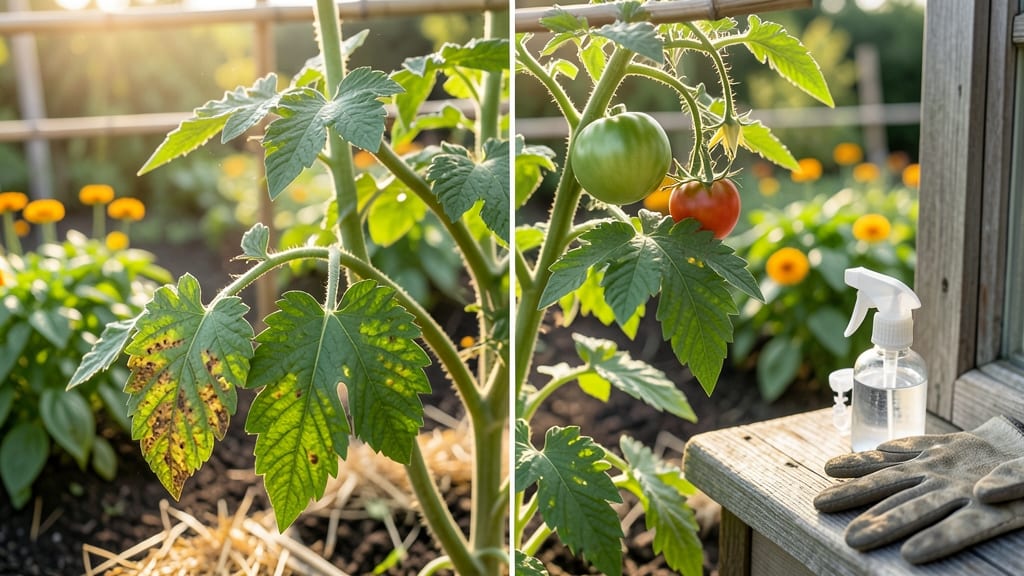
Those unsightly brown spots on the spotted leaves of tomato plants? 🌱 They’re not just ugly—they’re a fungal blight warning sign, and copper spray is your secret weapon to turn things around. I’ve saved multiple tomato plants from collapse using this simple, organic fix, and you can too.
First, confirm it’s fungal (not bacterial) by checking for yellow halos around spots or black streaks on stems—classic signs of early blight or septoria leaf spot.
The key to stopping the spread is acting fast: prune infected leaves below the spots (never above, or you’ll spread spores), then spray with homemade copper fungicide at dusk. Within a week, new growth will push out clean and strong, and your plants will rebound faster than you’d expect.
The copper spray isn’t just a fix—it’s a shield for future harvests, too. Just avoid overhead watering to keep leaves dry.
Here’s the game-changer: copper spray works best when combined with proper spacing—crowded plants trap moisture, fueling the blight. After treatment, space your plants 18-24 inches apart and water at the base only. I’ve seen plants recover completely in just 10-14 days with this combo.
For prevention, rotate crops yearly and mulch heavily to block spore splash. If spots return next season, try a neem oil spray as a second line of defense. Your tomatoes will thank you with heavier, healthier fruit come harvest.
Root Causes Behind Leaf Spots
When your tomato plants develop unsightly spots on their leaves, it’s usually a sign that something’s amiss—whether it’s an unwelcome fungal guest, a pest party, or environmental stress. Understanding the why behind these spots is the first step to saving your harvest.
Below, we break down the most common culprits, their scientific triggers, and what they’re really telling you about your plants.
Fungi are the #1 reason for spotted leaves on tomato plants, and they thrive in warm, humid conditions—basically, the perfect summer setup. Here’s how they strike:
- Early Blight (Alternaria solani): Look for concentric rings or target-like spots (brown with yellow halos) on lower leaves. This fungus spreads via spores in soil or infected plant debris. Why it happens: Poor air circulation, overhead watering, or crowded plants create the ideal fungal buffet.
- Late Blight (Phytophthora infestans): Dark, greasy spots that spread rapidly (especially in wet weather). This one’s notorious for jumping from leaves to fruit. Why it happens: Cool, damp nights + high humidity = fungal jackpot. It’s the same pathogen that caused the Irish potato famine!
- Septoria Leaf Spot (Septoria lycopersici): Tiny, dark spots with light centers, often on older leaves. Why it happens: Fungal spores splash up from soil during rain or irrigation, and once they land, they feast on weak tissue.
💡 Pro Tip: Fungi love moisture—water leaves early in the day so foliage dries quickly, and space plants 18–24 inches apart for airflow.
Not all leaf spots come from fungi—some are leftovers from pests feasting on your plants. Here’s how they leave their mark:
- Spider Mites (Tetranychus spp.): Tiny yellow or white spots (actually stippling from feeding) on upper leaves. Why it happens: Dry, hot conditions weaken plants, making them vulnerable. Mites suck sap, leaving behind a dusty webbing and pale, crinkled leaves.
- Aphids or Whiteflies: Sticky residue (honeydew) from their droppings can attract sooty mold, creating dark, fuzzy spots. Why it happens: These pests cluster on undersides of leaves, thriving in crowded or stressed plants.
- Tomato Hornworms: Large, irregular holes or chewed edges with frass (poop) nearby. Why it happens: These caterpillars are nighttime raiders—they’ll strip a plant bare in hours!
🔥 Quick Fix: Blast pests off with a strong spray of water or introduce beneficial predators like ladybugs or lacewings.
Sometimes, spots aren’t from pathogens or pests—they’re your plants’ way of screaming, “I’m uncomfortable!” Here’s what’s bugging them:
- Sun Scorch: Bleached or white spots on leaves exposed to intense afternoon sun. Why it happens: Transplant shock, sudden heatwaves, or insufficient shade can fry leaf tissue.
- Chemical Burn: Irregular brown or black spots from fertilizer salts, herbicides, or even tap water with high chlorine. Why it happens: Over-fertilizing or splashing chemicals on leaves creates toxic lesions.
- Nutrient Deficiencies:
Spot Type Likely Culprit What It Means Yellow spots with green veins Nitrogen deficiency Plant can’t produce enough chlorophyll. Purple or red tinges Phosphorus or potassium deficiency Struggles with energy transfer or root health. - Extreme Temperature Fluctuations: Frost damage (black, mushy spots) or cold snaps can shock leaves, causing discoloration. Why it happens: Tomatoes are tropical—they hate temps below 50°F (10°C).
✨ Prevention Tip: Use mulch to regulate soil temp, and avoid wetting leaves when watering to prevent stress-related spots.
Sometimes, the cause is less dramatic but just as damaging:
- Bacterial Leaf Spot (Xanthomonas or Pseudomonas): Water-soaked spots that turn yellow/brown and ooze. Why it happens: Bacterial spores hitchhike on tools, wind, or even your hands. They thrive in wet conditions.
- Viral Infections: Mosaic patterns (light/dark green patches) or stunted growth. Why it happens: Viruses spread via aphids or infected seedlings—once a plant has it, there’s no cure.
- Physical Damage: Hail, wind, or even curious critters (like rabbits) can tear leaves, leaving behind ragged spots. Why it happens: Nature’s brute force.
🎯 Action Step: If you suspect bacteria or viruses, remove infected plants immediately and disinfect tools with rubbing alcohol to stop the spread.
Fix Spots Before They Spread
Now that you’ve identified the culprit behind those unsightly spots on your tomato plants, it’s time to take action! The key is to act fast—fungal and bacterial diseases thrive in warm, moist conditions, and once they set in, they can devastate your harvest.
Below, we’ve broken down practical, step-by-step solutions tailored to each cause, along with prevention tips to keep your tomatoes healthy and blemish-free.
If your tomato leaves are covered in brown, black, or yellow spots (like early blight, late blight, or septoria leaf spot), fungi are likely the culprits. Here’s how to stop the spread and restore your plants:
🔥 Remove Infected Leaves Immediately
- Why? Fungal spores spread through water, wind, and even garden tools.
Removing infected foliage reduces spore load in the air. - How? - Snip off severely spotted leaves (especially lower ones) with sterilized pruners (wipe with rubbing alcohol between cuts). - Do not compost infected plant material—bag and discard it in the trash to prevent reinfection.
🍳 Apply Copper Fungicide (The Game-Changer)
Copper-based sprays (like copper sulfate or copper hydroxide) are highly effective against fungal diseases because they disrupt spore germination without harming your plants.
- When to spray?
- At first sign of spots (don’t wait for large patches!).
- Repeat every 7–10 days or after heavy rain (which washes it off).
- Best time: Early morning or late evening (avoid spraying in direct sunlight—it can burn leaves).
- How to mix & apply:
- Follow label instructions (typically 1–4 tbsp per gallon of water).
- Use a sprayer with a fine mist to coat both sides of leaves and stems.
- Pro tip: Add a dish soap (1 tsp per gallon) to help the copper stick to leaves better. 🧼
🌡️ Improve Airflow & Reduce Humidity Fungi love crowded, damp conditions.
Give your tomato plants room to breathe: - Space plants 18–24 inches apart (if growing in the ground). - Prune suckers and lower leaves to improve airflow (but avoid over-pruning—you still need foliage for energy). - Water at the base (not overhead) to keep leaves dry. - Use row covers or shade cloth if your area is prone to high humidity.
✨ Prevent Future Fungal Outbreaks
- Rotate crops—don’t plant tomatoes (or nightshades like peppers/eggplants) in the same spot next year.
- Solarize soil in fall (cover with clear plastic for 4–6 weeks to kill fungal spores).
- Choose resistant varieties (e.g., ‘Mountain Merit,’ ‘Defiant PhR,’ or ‘Jet Star’ for blight resistance).
If your spots are tiny, water-soaked, and oily (bacterial spot), bacteria are to blame. Unlike fungi, antibiotics won’t work—your best defense is copper + strict hygiene.
👨🍳 Prune & Dispose of Infected Parts
- Remove all spotted leaves (even small ones) and sterilize tools between cuts.
- Avoid handling plants when they’re wet (bacteria spread faster in moisture).
🔪 Use Copper Fungicide (Yes, It Works on Bacteria Too!)
- Apply the same copper spray as above—it’s effective against both fungi and bacteria.
- Add a bacterial suppressant like hydrogen peroxide (1 tbsp per gallon of water) for extra protection.
💡 Prevent Cross-Contamination
- Wash hands before and after gardening.
- Disinfect tools with bleach solution (1 part bleach to 9 parts water) or rubbing alcohol.
- Avoid overhead watering—use a drip irrigation system instead.
🎯 Long-Term Prevention
- Remove volunteer tomato plants (they can harbor bacteria).
- Test your water—if it’s high in bacteria (common in ponds or wells), use chlorinated water for irrigation (let it sit 24 hours to dissipate chlorine first).
If spots are dry, crispy, or sun-scorched, your plants are under environmental stress. Fixing the issue is simpler—just tweak their growing conditions:
🌿 Provide Shade During Peak Heat
- If your tomatoes are bleached or sunburned, they need afternoon shade (especially in hot climates).
- Use shade cloth (30–50%) or row covers during the hottest hours (12 PM–4 PM).
💦 Water Deeply & Consistently
- Shallow watering causes stress spots (small, dry patches).
- Water deeply 1–2 times per week (1–2 inches per week) instead of daily light sprinkles.
- Mulch heavily (2–3 inches of straw or wood chips) to retain moisture and cool roots.
🥗 Boost Soil Health
- Test your soil—tomatoes thrive in slightly acidic to neutral pH (6.0–7.0).
- Add compost or balanced fertilizer (10-10-10) if leaves look yellow between veins (nutrient deficiency).
- Avoid over-fertilizing with nitrogen—it leads to soft, spot-prone growth.
If your plants are already heavily infected (e.g., late blight with large black spots), act fast with these drastic measures:
- Remove the entire plant (if >50% of leaves are infected) to prevent spread.
- Solarize the soil (cover with clear plastic for 4–6 weeks in summer heat).
- Plant resistant varieties next season (e.g., ‘Black Krim’ or ‘Cherokee Purple’ for blight resistance).
- Rotate crops—don’t plant tomatoes, peppers, or potatoes in the same spot for 3–4 years.
Final Pro Tip: 💡 Keep a garden journal to track what worked (and what didn’t) for next year’s tomato season! A little prevention now saves hours of cleanup later.
Frequently asked questions about tomato leaf spots
What’s the difference between early blight and late blight on tomato leaves?
Early blight shows as concentric brown rings with yellow halos on lower leaves, while late blight creates dark, greasy spots that spread rapidly—even to fruit. Early blight progresses slowly, but late blight can destroy plants in days if humidity is high. Copper spray works for both, but late blight requires immediate removal of infected plants.
Can I still harvest tomatoes if the leaves have spots?
Yes, but only if the spots are fungal (early/septoria blight) and haven’t reached the fruit. Remove all spotted leaves first. For late blight or bacterial spots, destroy the entire plant immediately—these can contaminate tomatoes. Always wash harvested fruit thoroughly before eating.
How often should I spray copper fungicide for prevention?
Apply copper spray every 7–10 days during humid weather or after rain. For prevention, start at first signs of spots or when nighttime temps stay above 70°F (21°C). Mix with 1 tsp dish soap per gallon to improve adhesion. Stop spraying 2 weeks before harvest to avoid copper residue.
Will neem oil work for tomato leaf spots?
Neem oil helps prevent fungal spots but won’t cure active infections like copper does. Use it as a supplemental spray (1 tbsp per gallon of water) every 2 weeks during dry periods. It’s best for early-stage prevention or mild cases of septoria leaf spot when combined with proper airflow.
Why do my tomato leaves get spots even after treating them?
Spots may return if you’re overhead watering, plants are too crowded, or you’re not removing infected leaves. Check for hidden pests (like spider mites) that weaken plants. Also, reapply copper after heavy rain—it washes off quickly. Rotate to neem oil or baking soda spray (1 tbsp baking soda + 1 tsp oil per gallon) for variety.