
Pests and Diseases
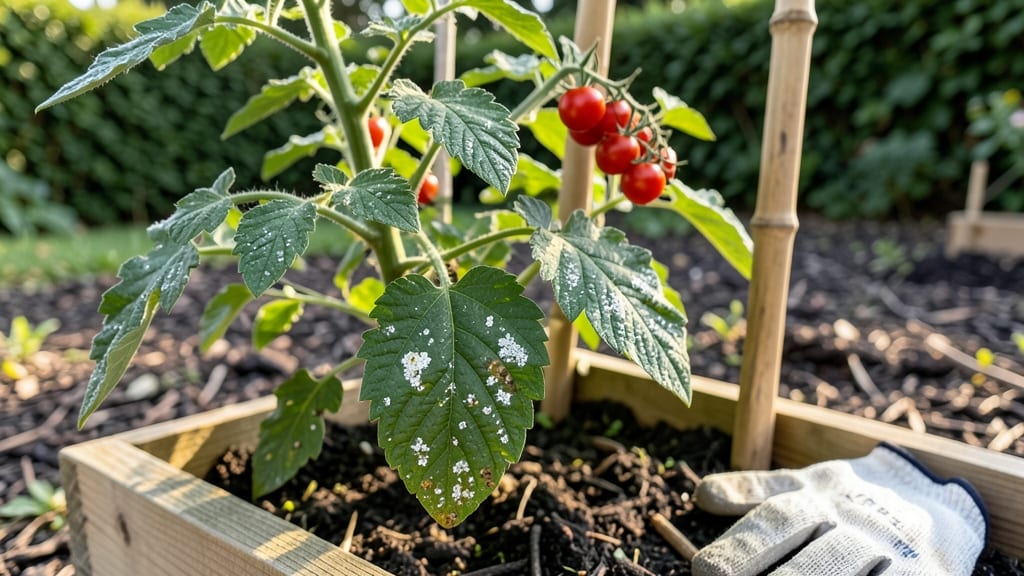
White spots on cherry tomato leaves aren’t just unsightly—they’re a red flag your plants are fighting for their lives. 🌱 I’ve battled this exact issue in my garden, and what started as a few fuzzy patches turned into a full-blown battle if I didn’t act fast.
The good news? This is usually powdery mildew, and with the right spray, you can reverse it before it spreads to your entire harvest.
The culprit is almost always poor airflow or moisture trapped on leaves—think crowded plants, overhead watering, or humidity that lingers after sunset. I learned the hard way that ignoring it for even a week means losing those sweet cherry tomatoes to yellowing leaves and stunted growth.
The key is catching it early, when the spots are still powdery (not crusty or black), and giving your plants a chance to bounce back.
With a simple baking soda spray—just 1 tablespoon of baking soda, a drop of dish soap, and a gallon of water—you can stop the spread in its tracks. Spray the undersides of leaves (where mildew hides) every 5-7 days, and within days, you’ll see new growth pushing through.
The secret? Prevention: space plants properly, water at the base, and avoid wetting foliage after dark.
If the spots turn brown or ooze, it’s bacterial spot—then you’ll need copper fungicide and a more aggressive cleanup. But for powdery mildew? This spray is your foolproof first line of defense. Let’s get those leaves healthy again before the spots win.
Root Causes Of Leaf Spots
White spots on cherry tomato leaves aren’t just a cosmetic nuisance—they’re often a sign of underlying issues that can weaken your plants if ignored. Understanding the why behind these spots is the first step to restoring your tomato plants to full, vibrant health.
Below, we break down the most common culprits, backed by science, so you can diagnose the problem accurately and take targeted action.
Fungal diseases are the #1 cause of white spots on tomato leaves, and powdery mildew is the most notorious offender. This fungus thrives in humid conditions (60–80% humidity) and poor air circulation, creating a perfect environment for rapid spread. Here’s how it works:
- Spores land on leaves → They germinate and form a white, powdery coating (like flour dust) that blocks sunlight.
- Photosynthesis is disrupted → The plant struggles to produce energy, leading to stunted growth and reduced fruit yield.
- Secondary infections → Weakened leaves become vulnerable to bacterial spots or rot.
💡 Pro Tip: Check the underside of leaves—if you see fuzzy white patches, it’s almost certainly powdery mildew. Early detection is key!
While fungi need moisture to spread, excessive humidity or overhead watering can also trigger white spots by creating ideal conditions for other pathogens. Here’s how environment plays a role:
| Factor | How It Causes Spots | Fix It |
|---|---|---|
| 🌧️ Overhead Irrigation | Water droplets linger on leaves, trapping spores and promoting fungal growth. | Switch to drip irrigation or water at the base of the plant in the morning. |
| 🌿 Poor Airflow | Dense foliage or crowded plants trap moisture, accelerating fungal spread. | Prune leaves for better spacing (aim for 6–12 inches between plants). |
| 🌞 Low Light | Weak, shaded leaves are more susceptible to stress and disease. | Ensure 6–8 hours of sunlight daily and avoid planting in deep shade. |
✨ Key Insight: Tomato plants are not fans of soggy feet—always prioritize drainage and avoid waterlogging!
Some pests don’t cause white spots directly, but their damage opens the door for fungal infections. For example:
- Spider mites → Their feeding weakens leaves, making them prime targets for powdery mildew.
- Aphids → They excrete honeydew, a sticky substance that fosters sooty mold (a black fungal growth).
- Whiteflies → Their larvae feed on sap, stressing the plant and reducing its ability to fight off diseases.
If you spot tiny webs, yellowing leaves, or sticky residue, pests may be the hidden culprit behind your tomato’s white spots.
A lack of key nutrients can stress tomatoes, making them more prone to fungal infections. The most critical deficiencies linked to white spots include:
- Low nitrogen (N) → Pale, weak leaves with poor growth (fungi love stressed plants!).
- Low phosphorus (P) → Stunted roots and leaves, reducing the plant’s disease resistance.
- Low calcium (Ca) → Causes blossom end rot in fruit and weakens cell walls, making leaves more vulnerable.
💡 Quick Fix: Test your soil and amend with a balanced fertilizer (10-10-10) or calcium-rich compost if deficiencies are suspected.
Now that you know the why, the next step is action! The good news? Many of these issues are preventable and treatable with simple adjustments. Stay tuned for our baking soda remedy and long-term prevention tips to keep your cherry tomatoes thriving.
Quick Fixes for Tomato Leaf Spots
Now that you know what’s causing those pesky white spots on your cherry tomato leaves, let’s tackle the problem head-on with practical, garden-tested solutions. The good news? Most of these fixes are simple, affordable, and even use items you might already have at home.
Below, we’ll break down the best approaches based on the root cause—so you can act fast and keep your plants thriving.
Fungal infections like powdery mildew and early blight are the most common culprits behind white spots. The key to stopping them? Prevention + prompt action.
🔥 Step 1: Remove Infected Leaves Immediately
- Why? Fungal spores spread like wildfire—literally.
Removing infected foliage cuts off the source. - How? - Snip off leaves with white spots using sterilized pruners (wipe with rubbing alcohol between cuts). - Do not compost infected leaves—toss them in the trash to prevent reinfection. - Pro tip: 💡 If the spots are severe, remove entire branches or even the plant if it’s beyond saving.
🍳 Step 2: Apply a Baking Soda Spray (Best for Powdery Mildew)
Baking soda isn’t just for cookies—it’s a natural fungicide that disrupts fungal growth.
Here’s how to make it: - Recipe: - 1 tsp baking soda - 1 quart water - 1 tsp dish soap (like Dawn—helps the spray stick) - 1 tbsp vegetable oil (optional, for extra protection) - How to use: - Mix in a spray bottle and apply early in the morning (avoid direct sunlight to prevent leaf burn). - Spray both sides of leaves until damp but not soggy. - Reapply every 7–10 days or after rain. - ✨ Pro tip: For stubborn mildew, add 1 tbsp hydrogen peroxide (3%) to the mix for extra oomph.
👨🍳 Step 3: Use Copper Fungicide (For Early Blight & Septoria Leaf Spot)
If baking soda isn’t cutting it (or if you’re dealing with early blight), copper-based sprays are a heavy hitter.
- How to use:
- Follow label instructions (typically 1–2 tbsp per gallon of water).
- Spray preventatively at dusk (copper can burn leaves in sunlight).
- Reapply every 7–14 days or after rain.
- 🌡️ Warning: Copper can harm beneficial insects—use sparingly and avoid spraying flowers.
🥘 Step 4: Improve Airflow & Reduce Humidity Fungi love moist, stagnant air.
Give your plants a fighting chance: - Prune crowded branches to allow airflow. - Space plants 18–24 inches apart (check your variety’s needs). - Water at the base (not overhead) to keep leaves dry. - Use a fan on low speed near plants to circulate air (great for greenhouses!).
Tiny pests can cause white spots by sap-sucking or leaving behind sticky residue (honeydew) that invites sooty mold.
🔪 Step 1: Blast Them Off with Water
- How?
- Use a strong spray of water from a hose (early morning works best).
- For stubborn pests, mix 1 tsp neem oil + 1 tsp dish soap per quart of water and spray directly on infested areas.
- ⏰ Frequency: Repeat every 3–5 days until pests are gone.
🎯 Step 2: Introduce Beneficial Insects
Nature’s pest control is free and effective:
- Ladybugs (eat aphids)
- Lacewings (devour spider mites)
- Parasitic wasps (target whiteflies)
- Where to get them: Local garden centers or online suppliers.
🌿 Step 3: Use Sticky Traps
- Hang yellow sticky traps near plants to catch flying pests like whiteflies.
- Pro tip: 💡 Place them above the plant canopy for best results.
An ounce of prevention is worth a pound of cure—especially in the garden!
🔥 Prevention Checklist for Healthy Tomato Leaves
| Action | How to Do It |
|---|---|
| Rotate crops | Don’t plant tomatoes in the same spot yearly (fungi linger in soil). |
| Choose resistant varieties | Pick disease-resistant cherry tomato types (e.g., ‘Mountain Merit’, ‘Defiant’). |
| Mulch properly | Use straw or grass clippings to keep soil moist (but not soggy) at the base. |
| Fertilize right | Avoid too much nitrogen—it encourages leafy growth but weakens disease resistance. |
| Harvest regularly | Pick tomatoes as they ripen to reduce stress on the plant. |
| Clean up debris | Remove old leaves and plant waste after the season to kill overwintering spores. |
💡 Bonus: Homemade Preventative Sprays
- Neem Oil Spray (general pest/fungus deterrent):
- 1 tbsp neem oil + 1 tsp soap + 1 quart water.
Spray every 2 weeks. - Milk Spray (for powdery mildew prevention): - 1 part milk + 9 parts water. Spray weekly (the lactic acid helps!).
Final Thought: 🌱 The key to beating white spots is acting fast and staying consistent. Combine removal, sprays, and prevention, and your cherry tomatoes will be back to their lush, healthy selves in no time. Happy gardening!
Frequently asked questions
Why do my cherry tomato leaves develop white spots even after spraying?
If spots keep appearing, you may need to adjust your approach. First, check if you're spraying both sides of leaves—fungi like powdery mildew hide on undersides. Also, ensure you're applying treatments every 5-7 days (not just once). Humidity over 60% or poor airflow can make sprays less effective—consider adding a small fan near plants or pruning crowded branches.
Can I still eat tomatoes from plants with white-spotted leaves?
Yes, but with caution. If the spots are powdery mildew (white/fuzzy), the fruit itself is usually safe to eat—just wash thoroughly. However, if leaves show brown/yellow spots with black centers (early blight), those fruits may have internal damage. Always inspect tomatoes before eating and harvest only from healthy-looking plants to minimize contamination.
How do I tell if my tomato's white spots are fungal or pest-related?
Check these key differences: Fungal spots (like powdery mildew) appear as powdery coatings on both leaf surfaces, often starting on lower leaves. Pest-related spots usually come with other signs: tiny webs (spider mites), sticky residue (aphids), or tiny flying insects (whiteflies). Look for these clues to diagnose correctly.
Will commercial fungicides harm my tomato plants if overused?
Overusing chemical fungicides can disrupt your plant's natural defenses and harm beneficial insects. For copper-based sprays, follow label rates (typically 1-2 tbsp/gallon) and avoid spraying during flowering. Organic options like baking soda or neem oil are safer for long-term use. Always rotate treatments to prevent resistance—alternate between organic and chemical sprays if needed.
Can I prevent white spots in my greenhouse tomatoes?
Greenhouses trap humidity, making them perfect for fungal growth. Install ventilation fans to maintain 50-60% humidity, use drip irrigation (never overhead watering), and space plants 18-24 inches apart. Add reflective mulch to increase light penetration. Pro tip: Run a small dehumidifier if humidity exceeds 60% during warm months.