
How To
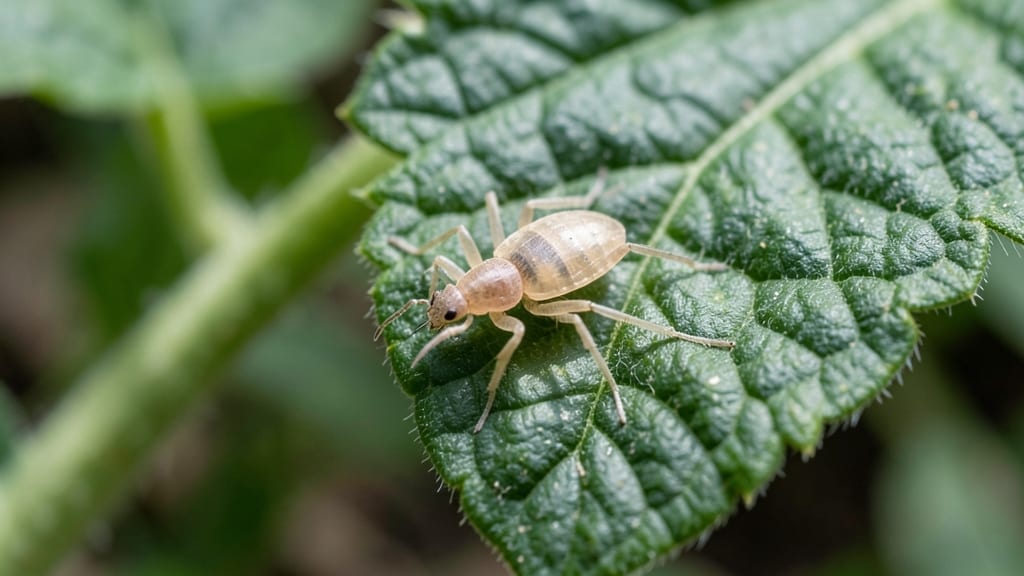
How to get rid of spider mites on tomato plants—those sneaky pests turn your leaves into dusty webs faster than you can say "harvest failure." 🌱 I've battled these tiny terrors for years, and neem oil spray is the one treatment that actually stops them in their tracks—no more sticky residue or chemical smells. The first sign? Tiny yellow dots on leaves that look like freckles, or fine webbing between stems. Most sprays miss the undersides where mites hide, but neem oil smothers them on contact while protecting your plants. You'll see new growth within 5-7 days if you hit this early. What you'll end up with is healthy, vibrant tomato plants that keep producing all season. The neem spray also deters future pests, so you won't be playing whack-a-mite every week. Works for greenhouses, containers, and in-ground plants alike—just adjust the spray frequency based on humidity. Let's get those leaves clean!
Root Causes Of Tomato Plant Infestations
Spider mites don’t just randomly show up on your tomato plants—they’re drawn by specific conditions that turn your garden into an all-you-can-eat buffet. Understanding these triggers is the first step to stopping them before they spin webs of destruction. Let’s break down the real culprits behind their unwelcome visits.
🌡️ Heat and Drought Stress Spider mites thrive in hot, dry conditions (above 85°F), but they love stressed plants even more. When tomato plants don’t get enough water, their leaves become dry, crispy, and nutrient-deficient—perfect for mites to latch onto.
Here’s why: - Reduced sap flow: Under stress, plants produce less sap, which mites crave as their primary food source. - Thinner cell walls: Drought weakens leaf structure, making it easier for mites to pierce and feed without resistance. - Volatile organic compounds (VOCs): Stressed plants emit chemical signals that attract mites like a dinner bell.
💡 Pro Tip: Mulch heavily to retain moisture and use drip irrigation to deliver water directly to roots—avoid overhead watering, which can dry leaves faster.
🌬️ Stagnant, Humid Microclimates Mites hate wind but love sheltered, humid spots where they can:
- Multiply unchecked (females lay 20–30 eggs daily in ideal conditions).
- Spin protective webs that trap moisture, creating a greenhouse effect.
- Avoid natural predators like ladybugs or lacewings, which thrive in open, breezy gardens.
Common culprits:
- Overcrowded plants: Tomatoes packed too closely trap heat and humidity.
- Thick foliage: Dense leaves block airflow, turning the plant into a mite’s hidden fortress.
- Greenhouses or plastic tunnels: While great for warmth, they can become mite incubators if ventilation is poor.
🔥 Fix It: Prune regularly to improve airflow, space plants 18–24 inches apart, and use oscillating fans (even a gentle breeze deters mites).
🚫 Harsh Pesticides Kill Beneficial Bugs Many gardeners reach for broad-spectrum pesticides (like synthetic pyrethroids) to kill pests—but these chemicals also wipe out spider mite predators, leaving your tomatoes wide open for infestations.
The domino effect:
- Predators die (ladybugs, lacewings, predatory mites).
- Mite populations explode with no natural checks.
- Plants become more vulnerable as their defenses weaken from chemical stress.
✨ Better Alternative: Use neem oil or insecticidal soap—they target mites without harming beneficial insects.
🌱 Too Much Nitrogen = Soft, Tasty Leaves While fertilizer helps plants grow, excess nitrogen creates:
- Lush, tender new growth that mites adore (easier to pierce than mature leaves).
- Stunted root systems, making plants more susceptible to stress.
- Sticky residue (from over-fertilization) that can attract mites indirectly by altering leaf chemistry.
📊 Balanced Approach:
- Use a slow-release, organic fertilizer (like compost or worm castings).
- Follow the NPK ratio (e.g., 5-10-10 for tomatoes) and half the recommended dose.
- Flush soil every few weeks with water to prevent buildup.
🕷️ They Hitchhike or Fly In Spider mites don’t always start on your tomatoes—they can blow in on winds or hitch a ride from:
- Weeds (especially in dry, sunny areas).
- Nearby crops (peppers, eggplants, or even houseplants).
- Wild hosts like Russian thistle (tumbleweed) or sumac.
💡 Scout Smart:
- Inspect new plants before bringing them home (quarantine for 2 weeks).
- Remove weeds within a 10-foot radius of your tomato patch.
- Check under leaves for tiny yellow specks (mite eggs) or fine webbing.
🌞 Early Summer = Mite Boom Time Mites are cold-blooded—they slow down in cool weather but explode when temperatures rise.
Here’s the pattern: - Spring: Mites overwinter on weeds or plant debris, then migrate as temps hit 60°F+. - Summer: Peak activity (75–90°F) leads to rapid reproduction. - Fall: Populations crash as temps drop, but eggs survive in leaf litter.
🎯 Preventive Strike: Start neem oil sprays in early June (before mites get established) and repeat every 7–10 days in peak season.
Spider mites don’t choose tomato plants at random—they’re opportunistic pests that exploit stress, poor growing conditions, and disrupted ecosystems. By addressing heat stress, airflow, chemical use, and fertilization, you’re not just treating an infestation—you’re removing the welcome mat.
The good news? Once you break the cycle, your plants will bounce back faster, and mites will have nowhere to hide. 🚀
Spider Mite Fixes That Work Fast
Now that you know what’s causing those tiny pests to attack your tomato plants, it’s time to take action! 🚀 Spider mites may be small, but they don’t stand a chance against these effective, plant-safe solutions.
Whether your plants are wilting from dehydration, tangled in webbing, or just showing early signs of infestation, these fixes will help you reclaim your garden—without harsh chemicals.
Spider mites thrive when plants are weak, so space and care are your first line of defense.
🔧 What to Do:
- Prune aggressively 🌱—Remove yellowing or heavily infested leaves (bag and dispose of them far from your garden).
- Space plants 18–24 inches apart to improve airflow and reduce humidity (mites love damp, crowded conditions).
- Water at the base 💦 (never overhead) to keep foliage dry—this washes away mites and discourages their favorite humid hideouts.
💡 Pro Tip: If your tomatoes are root-bound, repot them into larger containers with well-draining soil to reduce stress.
Spider mites love drought-stressed plants. A quick fix? Water deeply and consistently.
🔥 How to Do It:
- Water every 2–3 days (or daily in extreme heat) to keep soil moist but not soggy.
- Use a soaker hose or drip irrigation 🌧️ to deliver water directly to roots—this prevents mites from clinging to leaves.
- Mulch around plants with straw or grass clippings to retain moisture and cool soil.
⚠️ Warning: Overwatering can cause fungal issues, so check soil moisture before watering again.
When mites are already feasting, neem oil and insecticidal soap are your best friends. Here’s how to use them correctly for maximum impact.
🍳 Homemade Neem Oil Spray (Best for Heavy Infestations)
Ingredients:
- 1 tbsp neem oil (100% pure, cold-pressed)
- 1 tsp mild liquid soap (like Castile soap)
- 1 quart water
- 1 tsp honey or sugar (optional, to attract beneficial insects later)
👨🍳 Step-by-Step:
- Mix neem oil and soap in a spray bottle, then add water.
- Shake well before each use (neem oil separates).
- Spray undersides of leaves (mites hide there!) and stems thoroughly.
- Reapply every 5–7 days until mites disappear (usually 2–3 weeks).
💡 Pro Tip: Apply in the early morning or late evening to avoid harming bees or burning leaves in direct sunlight.
🧼 Insecticidal Soap (Gentler but Fast-Acting)
How to Use:
- Mix 1.5 tbsp insecticidal soap per quart of water.
- Spray directly on mites (focus on webbing and leaf undersides).
- Reapply every 3–4 days for 2 weeks.
✨ Bonus: Add a few drops of garlic or peppermint oil (1 tsp per quart) to repel mites naturally.
Nature’s cleanup crew can eat spider mites before they become a problem!
🕷️ Best Allies:
- Ladybugs (love mites and aphids)
- Predatory mites (Phytoseiulus persimilis—sold online)
- Lacewings (their larvae devour mites)
- Birds (install a birdhouse nearby!)
🌿 How to Attract Them:
- Plant dill, fennel, or marigolds near tomatoes to lure beneficial insects.
- Avoid pesticides (they kill good bugs too!).
- Release predators at dusk when they’re most active.
Once your tomatoes are mite-free, keep them that way with these long-term strategies:
🔄 Rotate Your Garden – Plant tomatoes in a different spot each year to break the mite life cycle. 🌡️ Monitor Regularly – Check leaves weekly (especially undersides) for early signs. 🌿 Use Reflective Mulch – Aluminum foil or silver plastic mulch confuses mites with its glare. 🍅 Choose Resistant Varieties – Try ‘Mountain Merit’ or ‘Celebrity’ tomatoes, which are less prone to mite attacks.
Final Thought: Spider mites may be stubborn, but with consistent care, the right sprays, and a little help from nature, your tomato plants will bounce back stronger than ever. Stay vigilant, and soon you’ll be harvesting juicy, pest-free tomatoes! 🍅💪
Frequently asked questions
How do I know if my tomato plants have spider mites?
Look for tiny yellow or white specks on leaves (mite droppings), fine webbing between stems, or leaves that appear dusty. Check the undersides of leaves first—mites hide there! You may also see silvery trails where they feed. Early signs include stunted growth or leaves that look like they've been "burned" from the top down.
Can I use vinegar to kill spider mites on tomatoes?
While white vinegar can help in small doses, it's not the most effective solution. Mix 1 part vinegar to 3 parts water and spray lightly on leaves (avoid flowers/fruit). However, neem oil or insecticidal soap work better and won't harm your plants. Vinegar can also make soil too acidic over time, so use sparingly and only as a supplemental treatment.
How often should I apply neem oil to my tomato plants?
Apply neem oil spray every 5-7 days for active infestations, then switch to a bi-weekly schedule for prevention. For severe cases, add a few drops of dish soap (1 tsp per quart) to help it stick better. Always spray in the early morning or evening to avoid harming bees and reduce leaf burn from sunlight.
Will spider mites kill my tomato plants?
While they won't kill healthy plants outright, severe infestations can weaken tomatoes enough to reduce yields or make them more susceptible to disease. The real danger comes from stress—they drain sap, causing leaves to yellow and drop. Act fast with neem oil or insecticidal soap, and your plants should recover fully within 2-3 weeks of treatment.
Can I use the same spray bottle for neem oil and insecticidal soap?
No, you should use separate spray bottles to avoid chemical reactions. Neem oil and insecticidal soap both work well but require different mixing ratios and application frequencies. Clean your equipment thoroughly between uses with warm, soapy water to prevent residue buildup that could harm your plants.