How To
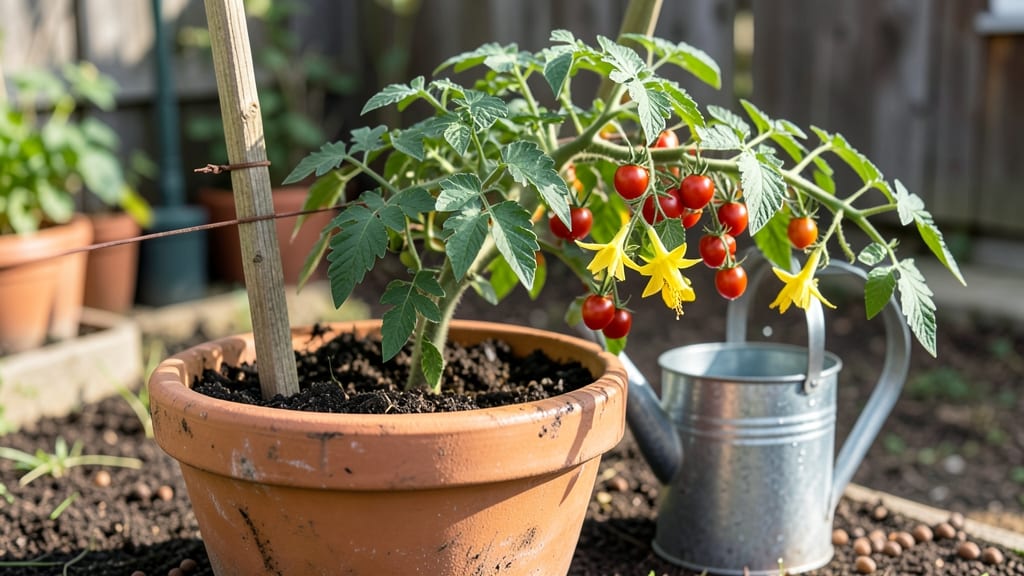
Cherry tomato plants in pots grow anywhere from 1 to 6 feet tall, depending on the variety and how you train them—so choosing the right one for your space makes all the difference.
If you’ve ever watched a 3-foot pot become a tangled mess of vines by summer, you know how quickly things can spiral out of control. The good news?
With the right dwarf or semi-dwarf varieties, you can keep your cherry tomatoes under 3 feet while still packing in flavor and yield.
Container size plays a huge role—too small, and roots get cramped, stunting growth and reducing fruit. But the right pot (plus a little pruning) can transform a sprawling plant into a neat, manageable bush that thrives on your patio or balcony.
In this guide, I’ll break down the best compact varieties for small pots, how to pick the right container, and pruning tricks to keep your 🍅 cherry tomatoes from taking over your space—without sacrificing a single bite-sized fruit.

Cherry tomato plant heights by variety: which stay compact in pots?
Choosing the right cherry tomato variety for your pots isn't just about flavor—it's about space efficiency. Some varieties stay neatly under 2 feet tall, perfect for small pots (under 12 inches wide), while others need larger containers (12+ inches) to support their sprawling growth.
The key is matching your container size to the plant's natural growth habit, whether it's a bush type, dwarf variety, or indeterminate climber.
Understanding these differences helps you avoid root-bound stress and overcrowding while maximizing your harvest yield. For example, a Tiny Tim cherry tomato thrives in a 5-gallon pot and stays under 18 inches tall, while a Sweet Million can reach 6 feet without proper support.
Let’s break down the best options for your space.
| Variety | Type | Mature Height (ft) | Best Pot Size | Notes |
|---|---|---|---|---|
| Tiny Tim | Dwarf | 1.5 | 5-gallon pot (12" wide) | Early producer, red fruit |
| Micro Tom | Dwarf | 1 | 3-gallon pot (10" wide) | World's smallest tomato, fast-growing |
| Balcony Red | Bush | 2 | 7-gallon pot (14" wide) | Compact, high yield, red fruit |
| Sweet 100 | Indeterminate | 4-6 | 15-gallon pot (18" wide) + trellis | Needs staking, prolific producer |
| Patio Princess | Bush | 2.5 | 10-gallon pot (15" wide) | Yellow fruit, disease-resistant |
| Sun Gold | Indeterminate | 5-7 | 20-gallon pot (20" wide) + trellis | Orange fruit, needs support |
Dwarf varieties like Tiny Tim and Micro Tom are my go-to choices for small-space gardening. These compact cherry tomatoes thrive in pots as small as 3-5 gallons and rarely exceed 2 feet in height.
Their bush-type growth means they don’t require trellising or staking, making them ideal for balconies or windowsills.
For slightly larger containers (12+ inches wide), bush varieties like Balcony Red and Patio Princess offer a balance of space efficiency and high yields. These stay under 3 feet tall but produce abundant fruit without sprawling uncontrollably.
Just ensure your pot has drainage holes and well-draining soil to prevent root rot.
If you’re willing to invest in larger containers (15+ gallons), indeterminate varieties like Sweet 100 or Sun Gold can thrive—but only if you provide adequate support.
These varieties grow 4-7 feet tall and produce fruit all season long, but they demand regular pruning and trellising to stay manageable in containers. Without support, they’ll flop over, risking
How pot size affects cherry tomato growth: space and support tips
When growing cherry tomatoes in pots, the container size directly impacts how tall your plants will grow. A 5-gallon pot might keep a bush variety under 3 feet, while the same plant in a 10-gallon container could reach 5 feet without proper support.
The key is understanding how root space and vertical training work together to control height while maximizing yield.
I’ve learned that indeterminate varieties (like 'Sweet Million') can grow aggressively in deep pots, while determinate types (like 'Tiny Tim') stay compact regardless of container size. The challenge is balancing pot dimensions with your space constraints—because a 6-foot vine in a small balcony pot becomes a tangled mess without intervention.
Pot Size vs. Cherry Tomato Height
✅ Pros of Larger Pots (10+ gallons)
- More root space = taller growth
- Supports indeterminate varieties up to 6 ft
- Better water retention for hot days
- Allows multiple plants (2-3 per pot)
❌ Cons of Larger Pots
- Heavier and harder to move
- Requires stronger trellising
- Overcrowding risk if not pruned
- Dries out slower in shade
✅ Pros of Small Pots (5 gallons or less)
- Keeps bush varieties under 3 ft
- Portable and lightweight
- Encourages earlier fruiting
- Works for balcony gardens
❌ Cons of Small Pots
- Limits root growth = stunted plants
- Dries out too quickly
- Only 1 plant per pot recommended
- Requires frequent fertilizing
For vertical growth control, I recommend using cage supports or tomato stakes in larger pots to guide indeterminate varieties upward. In 5-gallon containers, a simple bamboo stake works perfectly for bush types.
The key is to prune suckers regularly—removing those little shoots that grow in the leaf axils keeps the plant focused on fruit production rather than unnecessary height.
One common mistake I see is overcrowding plants in pots. Even in a 10-gallon container, planting two indeterminate varieties will lead to competition for nutrients and reduced airflow, which invites disease.
Stick to one plant per 5 gallons for bush types and one per 10 gallons for vining varieties. If you’re short on space, opt for dwarf varieties like 'Tumbling Tom' that naturally stay under 2 feet.
When roots become root-bound (circling the pot), it’s time to repot or prune roots. Gently loosen the root ball and trim any roots growing in circles—this encourages outward growth. Pair this with a balanced fertilizer (like 5-10-10) to support new root development.
I’ve found that fabric pots help prevent root binding better than plastic, as they allow roots to breathe and spread more naturally.
Finally, don’t forget that material matters. Terracotta pots dry out faster but provide better airflow to roots, while plastic retains moisture longer but can overheat in full sun.
For balcony gardens, I prefer self-watering containers to maintain consistent moisture—critical for cherry tomatoes, which need 1-2 inches of water per week during fruiting.