
Pests and Diseases
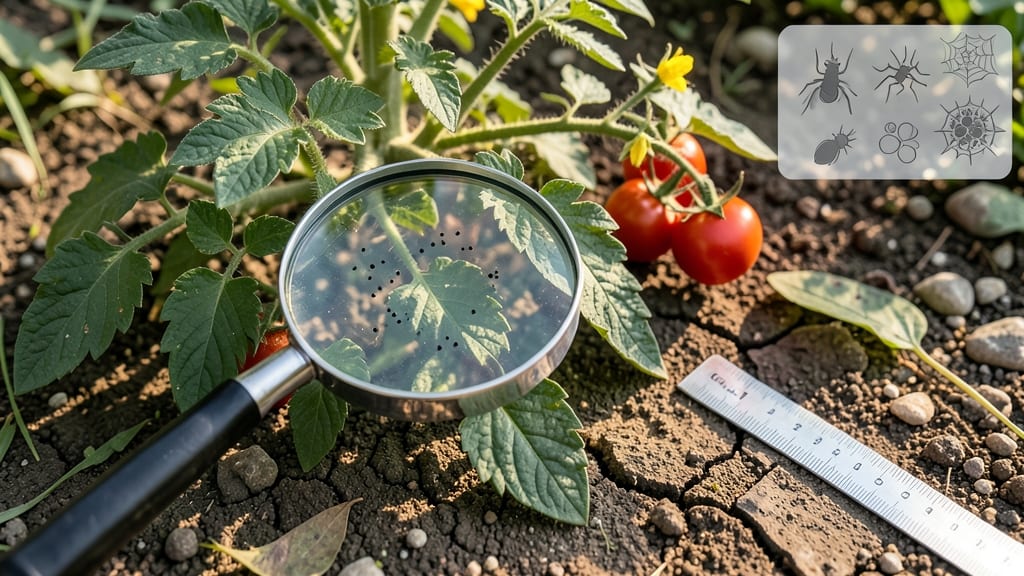
Those little black dots on your tomato leaves aren’t just unsightly—they’re a silent warning your plants are under attack. 🌱 I’ve seen this turn into a full-blown crisis when ignored, but the good news?
You can stop it in its tracks with the right moves. The first step is figuring out what’s causing them—aphids, fungal spores, or something else entirely—and acting fast before the damage spreads.
Most of the time, those dots mean early blight or aphid poop, but stink bugs and even environmental stress can mimic the problem. The key is checking the undersides of leaves for tiny pests, looking for yellowing between veins, and testing moisture levels.
A quick spray with neem oil or soapy water can wipe out aphids, while removing infected leaves stops fungal spread. Prevention is easier than cleanup—just rotate crops and keep your garden clean.
Within 48 hours of treatment, you’ll see the damage slow down, and new growth will look healthier. The plants will bounce back stronger if you catch it early, and you’ll avoid the heartbreak of losing your whole harvest.
This isn’t just about saving leaves—it’s about protecting the juicy, sun-ripened tomatoes you’ve been waiting for all season.
If the dots keep spreading despite your efforts, or if the leaves start wilting dramatically, it’s time to call in a local extension office for a second opinion. Some issues need professional help, but most? You’ve got this. Let’s get those plants back on track before the problem gets worse.
Root Causes Behind Tiny Leaf Spots
Those mysterious little black dots on your tomato leaves aren’t just a cosmetic nuisance—they’re often a sign of underlying issues that can stress your plants if left unchecked. Understanding why these specks appear is the first step to saving your harvest.
Below, we break down the most common culprits, their science, and what triggers their unwelcome presence.
Many of those tiny black dots are actually fungal spores or early-stage infections from pathogens like Alternaria, Septoria leaf spot, or early blight. These fungi thrive in warm, humid conditions and latch onto tomato leaves via:
- Spores in the air: Wind or water splashes carry spores from infected plants, soil, or even nearby weeds. A single spore landing on a leaf can germinate and produce more spores within days.
- Wet foliage: Overhead watering (especially in the evening) keeps leaves damp for prolonged periods, creating the perfect breeding ground. Alternaria, for example, needs 12+ hours of leaf wetness to infect.
- Poor airflow: Crowded plants or dense foliage trap moisture, accelerating spore growth. Fungal spores can multiply exponentially in stagnant, humid microclimates.
💡 Pro Tip: If the dots are raised or surrounded by yellow halos, it’s likely a fungal infection. Test by gently scraping a dot—if black powder remains, confirm it’s spores.
Not all black dots are fungal. Some are frass (insect excrement) or egg masses from pests like:
- Aphids: These sap-sucking insects cluster on undersides of leaves, leaving behind tiny black specks (their waste) and sticky honeydew. Heavy infestations weaken plants, making them susceptible to sooty mold (a black fungal growth fed by honeydew).
- Spider mites: Their tiny black fecal pellets often appear as scattered dots, especially on lower leaves. Unlike aphids, mites thrive in dry, hot conditions and multiply rapidly.
- Whiteflies: Their black larvae (not dots, but tiny crawling specks) cling to leaf undersides, excreting honeydew that attracts sooty mold.
🔍 Key Difference: Pest-related dots are usually mobile (you’ll spot bugs crawling) or sticky to the touch (honeydew residue). Use a magnifying glass to check for movement.
Sometimes, those dots aren’t from pathogens or pests at all—they’re a physical response to stress. Common triggers include:
- Sunburn or sunscald: Intense afternoon sun on young, tender leaves can cause tiny blackened spots (similar to freckles). This happens when leaves aren’t acclimated to direct light.
- Chemical burn: Over-application of fertilizers (especially high-nitrogen or salt-based), herbicides drifting onto leaves, or even hard water residue from tap water can leave blackened marks.
- Mechanical damage: Rough handling, hail, or even bird pecking can create small blackened areas where the leaf tissue bruises and dies.
🌡️ Tell-Tale Sign: Stress-related dots are usually irregular in shape, appear on exposed leaves, and aren’t accompanied by other symptoms (like yellowing or wilting).
Now that you know why those dots appear, the next step is how to stop them. Each cause demands a different approach—whether it’s adjusting watering habits, introducing beneficial insects, or tweaking your growing conditions. Stay tuned!
Quick Fixes for Leaf Spots
Discovering those pesky little black dots on tomato leaves can feel like a garden disaster, but don’t panic—most issues are fixable with the right approach. Below, we’ve mapped out practical, step-by-step solutions tailored to the most common causes, from fungal infections to insect invasions.
Each fix is designed to be fast, effective, and garden-friendly, so you can get your tomato plants back on track in no time.
If the black dots are sooty mold or fungal leaf spots, act fast to prevent spread. Here’s how:
🧼 Step 1: Prune the Problem Areas
- Use sterilized pruning shears (wipe with rubbing alcohol) to trim away heavily infected leaves.
- Why? Removing diseased foliage stops spores from spreading to healthy leaves.
🍳 Step 2: Clean Up the Mess
- Collect fallen leaves and debris in a sealed bag—do not compost them—to prevent reinfection.
- Pro tip: Disinfect your tools and hands with soapy water after pruning.
👨🍳 Step 3: Apply a Fungicide
- Store-bought option: Use a copper-based fungicide (like Cupric Hydroxide) or a neem oil spray (1 tsp neem oil + 1 tsp mild soap per quart of water).
- DIY option: Mix 1 tbsp baking soda + 1 quart water + a few drops of dish soap in a spray bottle. Apply every 7–10 days until new growth appears.
- ✨ Prevention tip: Water at the base of the plant (not overhead) to keep leaves dry.
🌡️ Step 4: Boost Plant Health
- Ensure your tomatoes get 6–8 hours of sunlight daily and well-draining soil.
- Add a balanced fertilizer (10-10-10) to strengthen their defenses.
If the dots are from aphids, spider mites, or thrips, these critters need a multi-pronged attack to keep them in check.
🔪 Step 1: Blast Them Off
- Strong water spray: Use a hose with a gentle nozzle to dislodge pests from leaves. Do this in the early morning so leaves dry quickly.
- 💡 Pro tip: Add a drop of dish soap to the water to help break down their waxy coating.
🕷️ Step 2: Introduce Natural Predators
- Ladybugs, lacewings, or parasitic wasps love eating aphids. Buy them online or attract them with dill or fennel plants nearby.
- 🎯 Prevention tip: Plant marigolds or basil around tomatoes—they repel pests naturally!
🌿 Step 3: Use Insecticidal Soap
- Mix 2 tbsp castile soap + 1 quart water in a spray bottle. Test on a small leaf first—some plants are sensitive!
- Spray every 3–5 days until pests disappear.
⏰ Step 4: Set Up Traps
- Yellow sticky traps: Hang them near plants to catch flying insects like whiteflies.
- 🔥 Bonus: Place a bowl of soapy water under the plant to trap crawling pests.
If the black dots are from overwatering, poor drainage, or nutrient deficiencies, focus on soil health to revive your plants.
💧 Step 1: Check Your Watering Habits
- Problem: Overwatering causes root rot, which stresses plants and invites pests/diseases.
- Fix: Let the top 1–2 inches of soil dry out between waterings. Use a moisture meter if unsure.
🥗 Step 2: Improve Drainage
- Amend heavy clay soil with compost or perlite to help water drain faster.
- If planting in containers, ensure pots have drainage holes.
📊 Step 3: Test and Fertilize
- Use a soil test kit to check pH and nutrient levels. Tomatoes thrive in pH 6.0–6.8.
- Add compost or worm castings to the soil for a slow-release nutrient boost.
Stop black dots before they start with these easy habits:
- ✅ Rotate crops—don’t plant tomatoes in the same spot yearly to prevent soil-borne diseases.
- ✅ Inspect plants weekly for early signs of pests or disease.
- ✅ Remove weeds—they harbor pests and diseases that jump to your tomatoes.
- ✅ Use mulch (straw or grass clippings) to keep soil moist and deter weeds.
- ✅ Avoid overhead watering—water at the base to keep leaves dry.
With these fixes, your tomato plants should bounce back in 1–2 weeks—and you’ll be back to enjoying juicy, blemish-free tomatoes in no time! 🍅🌟
Frequently asked questions
Are those black dots always harmful to my tomato plants?
Not necessarily! While many black dots signal pests or fungal issues, some are harmless. For example, aphid poop (frass) or sooty mold from honeydew can appear as dots but won’t kill the plant. The key is checking for other symptoms: yellowing leaves, wilting, or visible bugs. If the plant looks otherwise healthy, the dots may just be cosmetic.
How can I tell if the black dots are from fungus or insects?
Use this quick test: scrape a dot gently with your fingernail. If it leaves black powder (fungal spores), it’s likely early blight or Alternaria. If you see tiny moving creatures or sticky residue (honeydew), it’s pests like aphids or whiteflies. Also check leaf undersides—pests hide there!
Will removing infected leaves stop the problem completely?
Pruning helps, but it’s not a standalone fix. Remove heavily spotted leaves daily, but also treat the soil and air with neem oil or copper fungicide. Fungal spores linger in soil and water, so combine pruning with preventive sprays every 7–10 days to break the infection cycle.
Can I still harvest tomatoes if the leaves have black dots?
Yes, but focus on lower stems first. If the dots are from pests, they rarely affect fruit quality. For fungal issues, harvest only ripe tomatoes—green ones may develop spots. Always wash tomatoes thoroughly before eating, regardless of leaf condition.
Why do my tomato plants keep getting black dots even after treatment?
Persistent dots often mean re-infection or unaddressed conditions. Check for:
- Poor airflow (prune crowded branches)
- Overhead watering (switch to drip irrigation)
- Contaminated tools (sterilize pruners with rubbing alcohol) If the problem returns after 2 weeks, test soil pH and consider a soil drench with hydrogen peroxide (3%) to kill lingering pathogens.