
Companion Plants
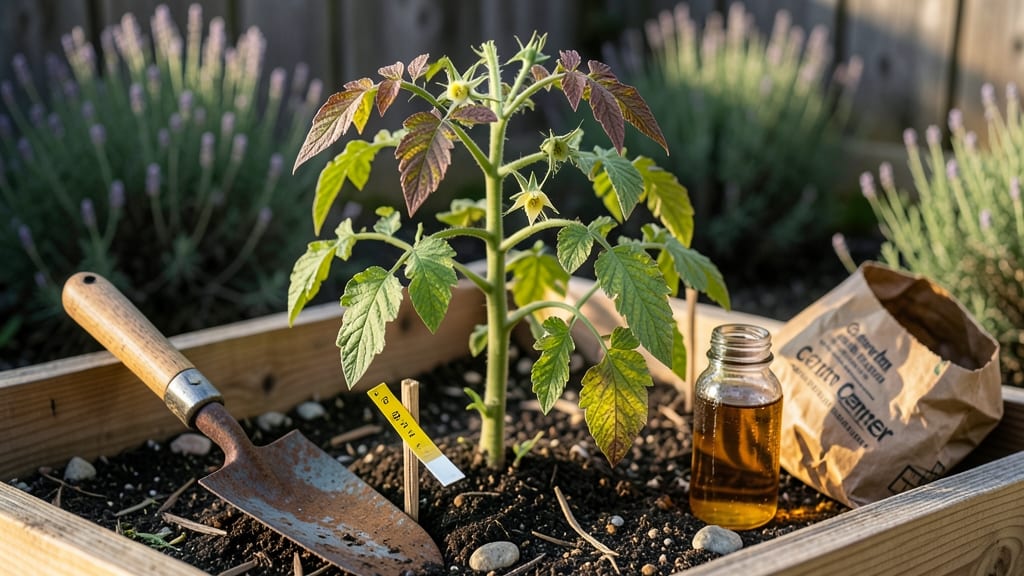
Your tomato plants are screaming for help when those leaves turn yellow between the veins—that’s iron deficiency, and eggshell tea might be your secret weapon. 🌱 I’ve seen this exact problem ruin harvests, but the fix is simpler than you’d think.
The yellowing starts at the base of younger leaves, then creeps upward, while older leaves stay green—classic iron chlorosis, often caused by alkaline soil locking out this essential nutrient.
Most gardeners grab chelated iron supplements, but I’ve had better luck with a homemade remedy: crushed eggshells steeped in water. The calcium helps acidify the soil slightly, while the mineral content gives roots a quick iron boost.
It’s a zero-waste solution that works in as little as 2-3 weeks of regular applications. The best part? You’re already throwing those shells away.
By the time you’ve applied this tea twice weekly, your plants should start showing new green growth within 10-14 days. The leaves will thicken, stems strengthen, and—most importantly—you’ll see those telltale yellow patches fade away.
It’s not just about fixing the symptoms; you’re giving your tomatoes the building blocks they need for healthier roots and bigger fruit down the line.
Works for container tomatoes too, and pairs well with other soil amendments like compost or sulfur if your pH is stubbornly high. Just avoid overdoing it—too much calcium can throw off the balance. Here’s how to make it work without the guesswork.
📚 In This Guide
- What you need
- Instructions
- Tips and common mistakes
- Wrapping up and next steps
What you need
- ● Tomato plants showing early signs of iron deficiency (yellowing leaves, stunted growth).
- ● Eggshells (clean, uncooked, and dried) – about 1 cup per batch.
- ● Water – 2–3 gallons per batch (or enough to soak eggshells).
- ● Large container or bucket (non-reactive, like stainless steel or glass).
- ● Fine-mesh strainer or cheesecloth for filtering tea.
- ● Watering can or spray bottle (with a fine rose attachment for even distribution).
- ○ pH testing kit (optional but recommended—ideal soil pH for iron uptake: 6.0–7.0).
- ● Gloves (to protect hands while handling eggshells or soil).
- ● Chelated iron supplement (if deficiency is severe—use sparingly, per package instructions).
- ● Compost or worm castings to improve soil microbial activity (boosts iron availability).
- ● Citric acid or lemon juice (1 tsp per gallon of eggshell tea to enhance iron solubility).
- ● Labeling tags for tracking plant progress post-treatment.
How to fix iron deficiency in tomato plants using eggshell tea
Here's the natural remedy I swear by when my tomato leaves start turning yellow between the veins.
🌿 Step 1: Confirm Iron Deficiency Before Treating
Iron deficiency shows as pale yellow leaves with green veins—this is called interveinal chlorosis. Check the youngest leaves first; if they're yellowing while older leaves stay green, it's likely iron. Rule out overwatering or compacted soil by feeling the roots—if they're waterlogged or smelly, you need better drainage first.
Tomatoes often develop this in alkaline soil (pH above 7.0). Grab a soil test kit or use a simple pH strip to confirm. If your soil tests high, we'll need to adjust pH while adding iron. I've fixed dozens of plants this way without chemicals.
💧 Step 2: Prepare Eggshell Tea for Iron Boost
Crush 1 cup of clean, dried eggshells into a fine powder using a food processor or rolling pin. The crushed shells break down slowly, releasing calcium and trace minerals including iron. Place the powder in a quart-sized jar and cover with hot water (just off boil). Let it steep for 24-48 hours—the longer it sits, the more minerals leach out.
Strain through a fine mesh sieve or cheesecloth into a clean container. The tea should smell slightly earthy but not foul. Use this within 3 days for maximum potency. I like to make a big batch and store it in the fridge—it keeps well for up to a week.
☀️ Step 3: Apply Eggshell Tea to Soil and Foliage
Water your tomato plants with the eggshell tea until the soil is thoroughly moistened—aim for 1 quart per plant. The tea works best when absorbed through the roots, so water deeply rather than just wetting the surface. For severe cases, repeat every 7-10 days until new growth appears.
For extra impact, lightly mist the undersides of leaves with the remaining tea using a spray bottle. This delivers iron directly to the foliage where it's needed most. Do this on a mild morning so the leaves dry quickly—wet leaves in direct sun can scorch.
✂️ Step 4: Adjust Soil Conditions for Long-Term Fix
Mix 1 tablespoon of sulfur per square foot into the top 6 inches of soil to lower pH gradually. Sulfur takes 2-4 weeks to work, so start this immediately. Avoid quick-lime or wood ash—they raise pH and make iron even less available.
Top-dress plants with 1 inch of compost around the base, keeping it 2 inches away from stems. Organic matter improves soil structure and holds onto iron better than bare soil. Water lightly after adding compost to help it settle.
🌱 Step 5: Monitor and Maintain Healthy Growth
Watch for new growth in 2-3 weeks. Healthy leaves should be deep green with no yellowing. If you see improvement but yellowing returns after a month, repeat the eggshell tea treatment and re-test soil pH. I've had plants recover completely within 6-8 weeks of consistent care.
To prevent recurrence, mulch with 2 inches of straw or shredded leaves to maintain even moisture and gradual nutrient release. Avoid over-fertilizing with nitrogen—too much makes iron deficiency worse by throwing the plant's nutrient balance off.
Tips & tricks for reviving iron-deficient tomato plants
Here's what I've learned from fixing dozens of yellowing tomato plants—these tricks make all the difference.
Diagnosis First: Before treating, rule out other issues like overwatering or root rot. I once wasted a week treating iron deficiency when my plants just needed better drainage. Gently squeeze the soil—if it feels soggy or smells foul, fix drainage first. Healthy roots should feel moist but not waterlogged, and the soil should have an earthy scent.
The Steeping Secret: That 24-48 hour steep for the eggshell tea isn't just a suggestion—it's crucial. The longer the shells steep, the more iron and calcium leach out. I've found that 48 hours gives the most potent tea, but even 24 hours works well. Just make sure your jar is completely covered with hot water and stored in a dark place to prevent algae growth.
Application Technique: When watering with the tea, focus on deep saturation rather than surface wetting. Use a watering can with a long spout to reach the roots where they'll absorb the most nutrients. For severe cases, I've had great results by combining the soil drench with a foliar spray—just mist the undersides of leaves in the morning to prevent scorching.
Long-Term Soil Strategy: The sulfur application in Step 4 is where many gardeners go wrong. Don't rush it—sulfur takes 2-4 weeks to lower pH, so start immediately but don't expect overnight results. I've seen dramatic improvements when combined with regular compost additions. The compost acts like a slow-release nutrient bank that helps the soil retain the iron you're adding.
Pro Tips for Iron Deficiency In Tomato Plants
- Here's what I've learned from fixing dozens of yellowing tomato plants—these tricks make all the difference.
- Diagnosis First: Before treating, rule out other issues like overwatering or root rot.
- The Steeping Secret: That 24-48 hour steep for the eggshell tea isn't just a suggestion—it's crucial.
Frequently asked questions
How do I know if my tomato plants have iron deficiency?
Look for interveinal chlorosis—yellowing between leaf veins—while veins stay green. Young leaves show symptoms first. Check soil pH too; iron locks up in alkaline soil (pH >7.0). A simple DIY test: crush a leaf and mix with water; iron-deficient leaves will have a pale, weak color.
How long does it take for eggshell tea to fix iron deficiency?
With consistent use (every 2–4 weeks), you’ll see improvements in 2–4 weeks. Severe cases may take longer. Combine eggshell tea with chelated iron (like iron sulfate) for faster results. Monitor leaf color weekly—new growth should show green veins within 3–5 days of treatment.
Can I use crushed eggshells directly in the soil?
No—raw eggshells take 6–12 months to break down. Instead, bake them (200°F for 10 mins) to sterilize, then grind into a fine powder. Mix into compost or steep in water for tea. Pro tip: Add a splash of vinegar to the tea to help release calcium and trace minerals faster!
What other natural remedies can I try if eggshell tea doesn’t work?
Try these iron-rich fixes:
- Molasses: 1 tbsp per gallon of water (boosts microbial activity that releases soil iron).
- Coffee grounds: Sprinkle around plants (acidic, improves iron uptake).
- Compost tea: Use well-aged compost to feed beneficial microbes.
- Epsom salt (mild magnesium boost): 1 tbsp per gallon (helps with chlorosis but isn’t a direct iron fix).
Why are my tomato leaves turning yellow even after treating iron deficiency?
Yellowing can stem from other issues:
- Overwatering: Roots suffocate, blocking nutrient uptake.
- Nitrogen toxicity: Too much fertilizer burns roots.
- Fungal diseases: Check for spots or wilting.
- Pests: Aphids or spider mites sap nutrients.
Wrapping up and next steps
Iron deficiency in tomato plants doesn’t have to be a setback—with the right approach, your garden can thrive! 🌱 By using eggshell tea and other natural remedies, you can restore vibrant green leaves and boost your plants’ health. Start small, monitor progress, and don’t hesitate to experiment!
Ready to take action? Test your soil, apply your homemade fertilizer, and keep an eye on those leaves. Your tomatoes—and your future harvests—will thank you!