
Plants
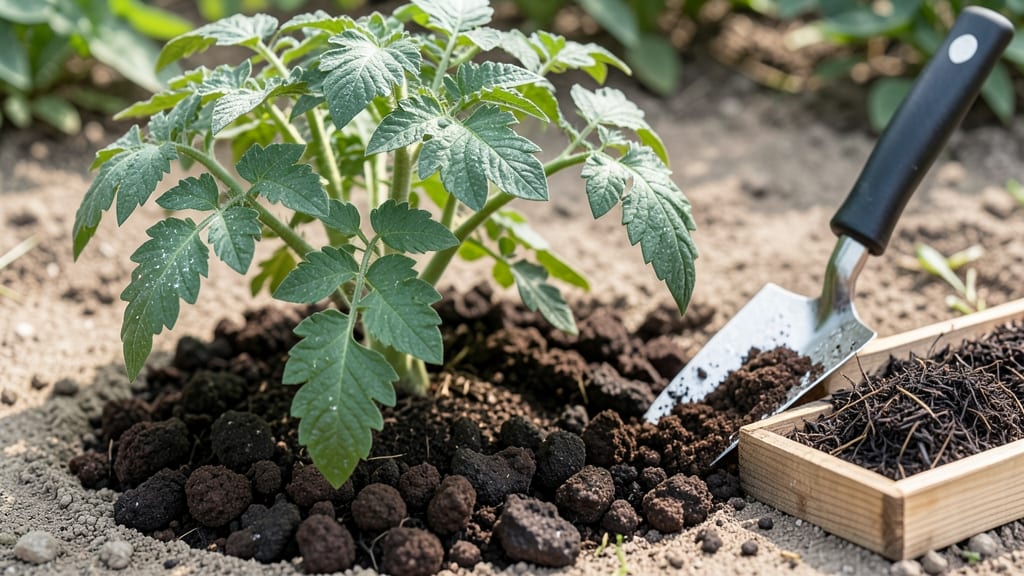
Used coffee grounds are good for tomato plants because they provide nitrogen and improve soil structure, but overuse can disrupt pH balance and attract pests like ants or mold. Apply them sparingly as compost or mulch for best results.
Coffee grounds work wonders for tomato plants because they're packed with nitrogen, which is essential for leafy growth and overall plant vigor. 🌱 The grinds also break down slowly, adding organic matter that enhances soil aeration and water retention.
I've seen firsthand how a light layer around tomato stems can deter pests like slugs while supporting beneficial microbes in the soil.
However, there's a fine line between helpful and harmful. Too much coffee can make the soil too acidic, which tomatoes don't thrive in.
That's why I recommend mixing them with other compost materials—like grass clippings or leaves—to balance the pH. A good rule of thumb is to use no more than 1/4 inch of grounds per plant every few weeks.
💡 In This Article
- How Coffee Grounds Benefit Tomato Plant Growth
- Proper Ways to Use Coffee Grounds for Tomatoes
How coffee grounds benefit tomato plant growth
Used coffee grounds pack a nutritional punch for tomato plants, primarily through their high nitrogen content—typically around 2% by weight. This essential nutrient fuels rapid leaf growth and overall plant vigor, which is why gardeners often see lush, green foliage when using coffee grounds.
The nitrogen comes from proteins and amino acids in the coffee beans, which break down into ammonium (NH₄⁺) during decomposition—a form plants can easily absorb through their roots.
The benefits extend beyond nitrogen. Coffee grounds also contain trace minerals like magnesium and potassium, which support photosynthesis and flowering. More importantly, their coarse texture improves soil aeration by creating tiny air pockets as they decompose. This is particularly valuable for heavy clay soils where roots struggle to breathe.
When mixed into garden beds, they mimic the organic matter found in forest floors, where decomposed plant material enhances both structure and microbial activity.
What makes coffee grounds unique compared to other organic amendments is their ability to stimulate beneficial soil microbes. The caffeine in grounds (though present in small amounts) actually acts as a mild fungicide, deterring harmful pathogens while encouraging mycorrhizal fungi that form symbiotic relationships with tomato roots.
These fungi help plants access phosphorus and other nutrients more efficiently, creating a healthier growing environment. 🌱
However, the advantages aren't just chemical—they're physical too. When used as mulch, coffee grounds form a dark, crumbly layer that retains moisture better than bare soil while suppressing weeds. The dark color also absorbs sunlight, warming the soil slightly—a boon for early-season tomato plants that need consistent warmth to germinate.
This dual benefit of moisture retention and temperature regulation makes coffee grounds particularly effective in containers or raised beds where soil conditions can fluctuate dramatically.
For comparison, consider how coffee grounds stack up against other common garden amendments. While composted manure provides more balanced nutrients, coffee grounds offer a concentrated nitrogen boost that's easier to control in small doses.
Unlike fresh grass clippings (which can mat and suffocate roots), coffee grounds decompose slowly, releasing nutrients over weeks rather than days. The key difference lies in their acidity—while composted materials are typically neutral, coffee grounds start acidic (pH 6.2-6.8), which is why proper mixing and monitoring are essential.
One often-overlooked benefit is the aroma coffee grounds impart to the soil. The earthy, slightly sweet scent attracts earthworms, which are nature's tillers, creating channels for air and water to penetrate deeper into the soil profile.
This underground activity directly benefits tomato roots, which need both oxygen and hydration to grow strong and produce abundant fruit. The combination of these physical, chemical, and biological effects makes coffee grounds one of the most versatile organic amendments for tomato cultivation. 💫