
Plants
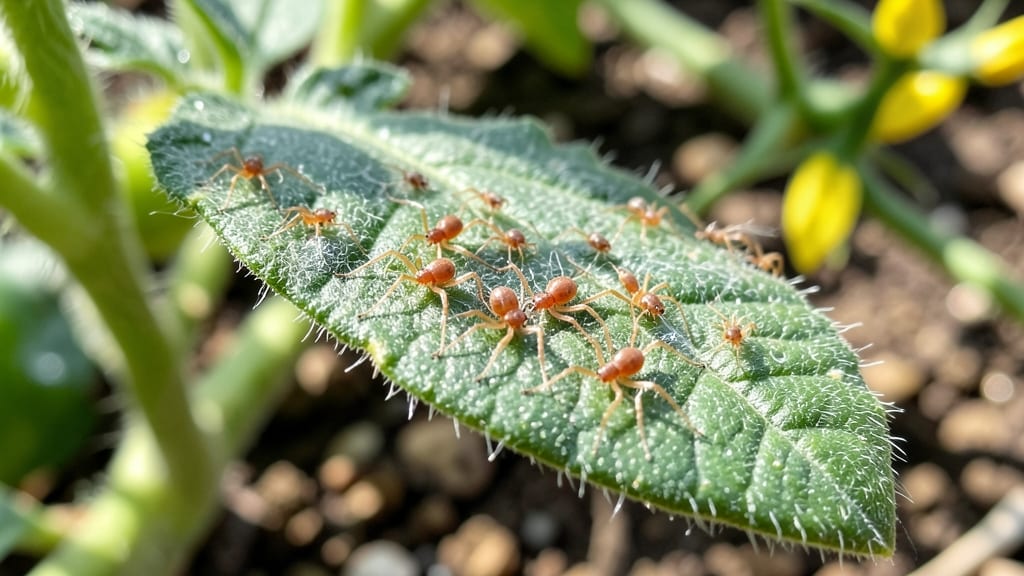
Spider mites on tomato plants can turn your harvest from lush to lost in days—unless you act fast. 🌱 I’ve battled these tiny pests on my own plants, and the secret to saving your tomatoes isn’t complicated: a 24-hour organic spray rescue that stops them before they spread.
The key is catching the problem early, when the webbing is just starting and the leaves look dusty rather than skeletonized.
These pests thrive in dry, hot conditions, which is why they love tomato plants—especially in summer. The moment you spot tiny yellow specks or fine webbing on the undersides of leaves, that’s your cue to act.
Most gardeners wait too long, thinking a little damage won’t matter, but spider mites multiply faster than you can say “blight.” A quick spray with neem oil or insecticidal soap can turn the tide in hours, not weeks.
By tomorrow, your plants will be on the mend—no more sticky leaves, no more wilting, just healthy green growth ready to produce. The best part? This method works for other garden pests too, so you’ll have a go-to solution for future infestations.
Let’s get those tomatoes back to thriving in no time.
Whether you’re dealing with a small outbreak or just want to prevent one, the same principles apply: water consistently, prune for airflow, and keep beneficial insects like ladybugs around.
Prevention is always easier than a full-blown rescue mission, but even if the mites have already taken hold, this spray will save your season.
Root Causes Of Tiny Webbed Invaders
Spider mites may seem like a minor annoyance, but they thrive on tomato plants due to a mix of environmental and biological factors. Understanding these triggers is key to preventing outbreaks before they spiral out of control.
Spider mites are drawn to plants under stress, and tomatoes send out distress signals when conditions become unfavorable. Here’s what makes your plants a buffet for these pests:
- Drought Conditions 💧 Spider mites love dry air and arid soil. When tomato plants don’t get enough water, their leaves become crispy and weakened—perfect for mites to latch onto. Why? Thirsty plants produce less sap, making it easier for mites to pierce leaf cells and feed on their juices.
Even slight dehydration can trigger a cascade of stress hormones that attract mites like a dinner bell.
- High Temperatures 🌡️ Heat waves (above 90°F/32°C) accelerate mite reproduction.
These pests complete their life cycle in just 3–5 days in warm conditions, compared to weeks in cooler weather. Pro tip: If your area experiences prolonged heat, check the undersides of leaves daily—mite populations explode fastest in shaded, warm microclimates (like under drip irrigation lines).
- Low Humidity 🌬️ Spider mites prefer environments with 30–50% humidity.
Below 40%, their eggs dry out, but adult mites thrive by sucking moisture directly from plants. Actionable fix: Increase humidity around tomato plants with morning watering (aim for 1–2 inches of soil moisture) or shade cloth to slow mite activity.
Tomato plants left to sprawl or overcrowded in containers create ideal hiding spots for mites. Here’s how:
- Stagnant Air 🌀 Mites dislike breezes—they’re too small to cling to moving air. When plants are packed too closely or blocked by fences/walls, air stalls, and mites multiply unchecked. Science note: Poor ventilation also traps heat and moisture, creating a greenhouse effect that speeds up their lifecycle.
- Overhead Watering 💦 Splashing water onto leaves spreads mites (and their eggs) like a game of microbial tag. Worse, wet foliage slows evaporation, keeping humidity high—another mite magnet. Swap it for: Drip irrigation or soaker hoses to keep leaves dry.
- Weak Plant Health 🌱 Nutrient deficiencies (especially phosphorus or potassium) or fungal infections (like early blight) make tomatoes more susceptible. Mites detect these weaknesses through volatile organic compounds (VOCs) emitted by stressed plants. Prevent it: Use balanced fertilizer (10-10-10) and rotate crops annually to break pest cycles.
Spider mites don’t usually dominate unless their predators are missing. Common culprits include:
| Predator | Why They Disappear | How to Attract Them Back |
|---|---|---|
| Ladybugs 🐞 | Pesticide use, lack of pollen/nectar | Plant dill, fennel, or marigolds nearby |
| Lacewings 🦋 | Overwatering washes away eggs | Install a shallow water dish with rocks |
| Predatory Mites 🕷️ | Harsh sprays kill them too | Release Phytoseiulus persimilis (sold as "good mites") |
Key insight: If you’ve sprayed synthetic pesticides recently, you’ve likely wiped out these allies. Mites then take over within 7–10 days because there’s no natural resistance.
Sometimes, well-meaning gardeners accidentally create mite paradises. Watch for these mistakes:
- Bringing Infested Plants Home 🛒 Mites hitchhike on nursery-bought tomatoes or nearby weeds (like purslane or lambsquarters). Quarantine new plants for 2 weeks before introducing them to your garden.
- Ignoring Weeds 🌿 Weeds host alternate food sources for mites, letting populations build up before they move to your tomatoes. Pull weeds within 10 feet of your plants—especially broadleaf varieties mites adore.
- Over-Fertilizing with Nitrogen 💥 Too much nitrogen (e.g., blood meal) promotes lush, soft growth that mites love to sink their stylets into. Balance it: Use compost or a low-nitrogen fertilizer (like fish emulsion) to toughen leaves.
Quick Fixes for Tiny Tomato Troubles
Spider mites may be small, but their damage adds up fast—especially when they’re feasting on your tomato plants. The good news? With the right approach, you can turn the tide in 24 hours and keep your harvest thriving.
Below, we’ve mapped out targeted solutions based on the root causes (from drought stress to chemical buildup) and paired them with preventive habits to stop future invasions. Let’s get your plants back in fighting shape!
Spider mites love stressed plants—and inconsistent watering is their favorite way to stress them out. If your tomatoes are wilting or drying too fast, mites will move in like uninvited guests at a buffet.
How to Fix It:
- 💧 Check the soil first: Stick your finger 1–2 inches deep. If it’s bone-dry, water deeply at the base (avoid overhead sprinkling—it encourages mites). If it’s soggy, let it dry out slightly before watering again.
- 🌱 Mulch like a pro: Spread 2–3 inches of organic mulch (straw, grass clippings, or shredded leaves) around the base to retain moisture and regulate temperature. This also deters mites by keeping the soil cool.
- 🕒 Water in the morning: Wet foliage dries faster during the day, reducing humidity—mites thrive in damp, sticky conditions.
💡 Prevention Tip: Install a drip irrigation system or soaker hose to deliver water slowly and directly to the roots. This keeps leaves dry and mites away.
Tomatoes grown with synthetic pesticides or over-fertilized soil often attract spider mites because the plants become weak and sticky (thanks to sap buildup). If your plants look yellowed or crispy-edged, this might be the culprit.
How to Fix It:
- 🧼 Rinse off residues: Mix 1 gallon of water + 1 tbsp mild dish soap (like Castile soap) in a spray bottle. Gently mist the undersides of leaves (where mites hide) and stems. Avoid spraying flowers or fruit.
- 🌿 Flush the soil: Water the plant deeply for 10–15 minutes to leach out excess salts or chemicals. Repeat every 2–3 days until new growth appears healthy.
- 🍂 Switch to organic fertilizers: Use compost tea, fish emulsion, or worm castings instead of synthetic NPK blends. These feed the soil, not just the plant, reducing stress.
🔥 Pro Tip: If you’ve used neem oil or sulfur-based sprays recently, wait 7–10 days before treating mites—these can burn plants and make them more vulnerable.
Spider mites explode in populations when air is dry and temperatures soar above 85°F (29°C). If your tomatoes are in a greenhouse, patio, or hot climate, you’re in their sweet spot.
How to Fix It:
- 💦 Increase humidity naturally:
- Place a shallow tray of water + pebbles near the plants (evaporation adds moisture).
- Mist leaves lightly in the early morning (avoid evening to prevent fungal issues).
- Group plants together to create a microclimate with higher humidity.
- 🌿 Add shade cloth: If temps hit 90°F+ (32°C+), drape 30–50% shade cloth over the plants for a few hours a day to cool them down.
- 🌱 Choose heat-tolerant varieties: Next season, opt for ‘Solar Fire,’ ‘Heatmaster,’ or ‘Arkansas Traveler’—these tomatoes handle heat better.
✨ Prevention Hack: Install a small fan on low speed near the plants. The gentle airflow deters mites and keeps leaves from getting too dry.
If mites have already colonized your tomatoes, you’ll need a two-pronged attack: kill existing mites and break their reproduction cycle.
How to Fix It:
- 🍋 Spray with a homemade miticide:
- Neem oil + water + a drop of dish soap: Mix 1 tbsp neem oil + 1 tsp soap + 1 quart water. Spray thoroughly (especially undersides) every 3–4 days for 2 weeks.
- 🌶️ Hot pepper spray: Blend 1 red pepper + 1 quart water, strain, and spray. The capsaicin repels mites (and smells amazing).
- 🐝 Introduce predator insects:
- Release lacewings, ladybugs, or predatory mites (Phytoseiulus persimilis). These eat spider mites and won’t harm your tomatoes.
- 🔪 Prune heavily infested leaves: Snip off yellowed or webb-covered leaves and dispose of them in a sealed bag (not the compost!). This stops the spread.
🎯 Pro Tip: Rotate treatments—miters develop resistance to neem oil over time. Alternate with insecticidal soap or horticultural oil for best results.
Once your tomatoes are mite-free, lock in their health with these habits: ✅ Weekly inspections: Check undersides of leaves with a magnifying glass (early detection = easier fixes). ✅ Diverse garden ecosystem: Plant marigolds, basil, or chives nearby—they repel mites with their scent. ✅ Copper tape trick: Wrap copper tape around pot rims or plant stems—miters hate crawling on it. ✅ Crop rotation: Avoid planting tomatoes (or nightshades) in the same spot yearly—this breaks pest life cycles.
Final Thought: Spider mites are annoying but beatable—especially when you hit them with moisture balance, natural sprays, and preventive habits. With these fixes, your tomato plants will bounce back faster than you think! 🍅💪
Frequently asked questions
How do I know if my tomato plants have spider mites?
Look for tiny yellow specks on leaves (mite bodies) or fine webbing between stems and leaves. Use a magnifying glass to spot their red or greenish bodies (about 1/50-inch long) on leaf undersides. Early signs include stippling (tiny white/yellow dots) on foliage.
Will spider mites kill my tomato plants?
They won’t kill healthy plants outright, but severe infestations can stunt growth and reduce fruit yield by 30-50%. The real danger is secondary stress—mites weaken plants, making them vulnerable to fungal diseases like early blight. Act fast to prevent long-term damage.
Can I use dish soap to treat spider mites on tomatoes?
Yes! Mix 1 tablespoon mild Castile soap + 1 quart water in a spray bottle. Apply to leaf undersides (where mites hide) every 3-4 days for 2 weeks. Avoid spraying flowers or fruit—soap can harm beneficial insects too. Test on a small leaf first.
Why do spider mites keep coming back after treatment?
Mites reproduce quickly (3-5 days in warm weather), so you need 3-4 applications spaced 5-7 days apart. They also hide in soil or weeds—remove nearby plant debris and consider releasing predatory mites (Phytoseiulus persimilis) for long-term control.
Are there spider mite-resistant tomato varieties?
No variety is completely resistant, but some handle infestations better. Try ‘Mountain Merit’ (disease-resistant) or ‘Celebrity’ (vigorous growth). The key is healthy plants—focus on proper watering, airflow, and soil health to reduce mite attraction.