
Companion Plants
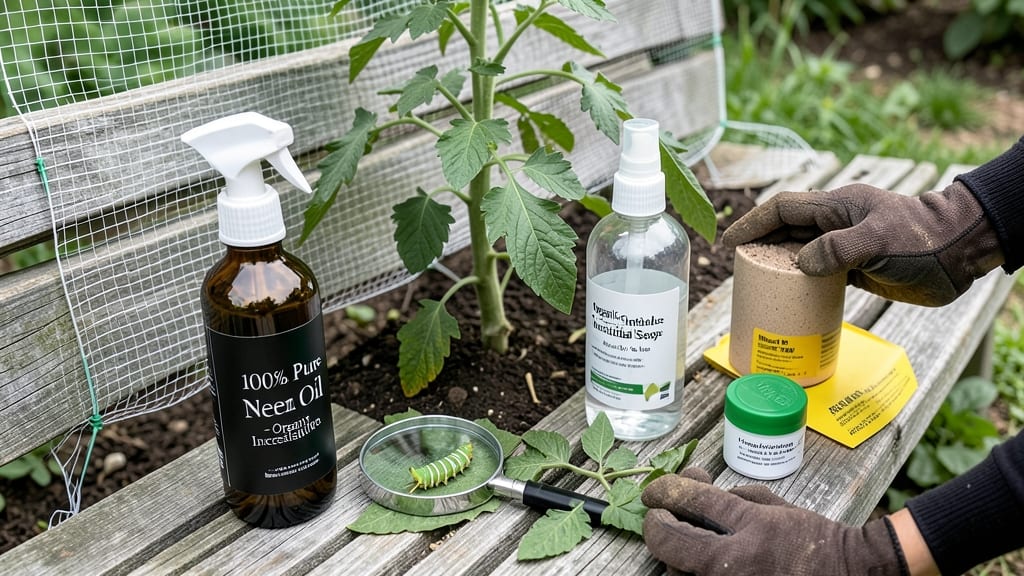
How to keep hornworms off tomato plants—it’s a battle you can win before they strip your plants bare in days. 🌱 I’ve lost entire plants to these striped devils, but I’ve also learned the foolproof tricks that keep my tomatoes thriving while keeping hornworms at bay. The secret isn’t just one method; it’s a layered defense that starts before the first worm appears.
First, healthy plants are your best defense. Strong stems, abundant foliage, and consistent watering make tomatoes less appealing to hornworms. I swear by companion planting—basil, marigolds, and even nasturtiums near my tomato cages send pests running.
But the real game-changer? Handpicking in the morning when worms are sluggish. It’s gross, but it works.
For stubborn infestations, neem oil or Bt spray (a natural bacteria) disrupts their life cycle without harming bees or beneficial insects. I spray every 5–7 days until the worst of the season passes.
The key is consistency—hornworms multiply fast, so you can’t wait for them to show up before acting.
This approach works for container gardens, raised beds, and in-ground plots alike. The goal isn’t perfection—it’s minimizing damage while keeping your harvest safe. Once you’ve tried these methods, you’ll never panic when you spot a hornworm again.
📚 In This Guide
- What you need
- Instructions
- Tips and common mistakes
- Wrapping up and next steps
What you need
- ● Companion Plants: Basil (3–5 plants per 4–6 ft. tomato plant row) 🌿
- ● Marigolds (French or Mexican varieties, 1 per 2–3 ft. of row) 🌼
- ● Nasturtiums (5–7 plants per 10 ft. of tomato bed) 🌺
- ● Dill or Fennel (1–2 plants per 5 ft. of row) 🌱
- ● Physical Barriers: Floating row covers (lightweight fabric, 3–4 ft. wide x 5–10 ft. long) 🛡️
- ● Fine mesh netting (1/4-inch or smaller holes, 10–15 ft. roll) 🕸️
- ● Stakes or hoops (wooden/bamboo, 2–3 ft. tall, 1 per 4–5 ft. of row) 🪵
- ● Natural Repellents: Neem oil (100% cold-pressed, 16 oz. bottle) 🌿
- ● Garlic spray (peeled garlic cloves, 1–2 heads per gallon of water) 🧄
- ● Crushed red pepper flakes (1 tbsp per gallon of water) 🌶️
- ● Hand Tools: Gloves (gardening or food-safe) 🧤
- ● Pruning shears (for trimming infested leaves) ✂️
- ● Spray bottle (16 oz., for neem/garlic solutions) 💦
- ● Ladybugs or parasitic wasps (beneficial insects, 100+ per acre) 🐞
- ● Beer traps (small containers with beer, 1–2 per 10 ft. of row) 🍺
- ● Reflective mulch (aluminum foil or silver plastic sheets, 5–10 ft. rolls) 🔆
- ● Pyrethrin spray (organic insecticide, last resort) 💊
Step-by-step guide to creating natural hornworm Barriers for tomato plants
Here's the method I trust to protect my tomato harvests without chemicals—tested across seasons and climates.
🌿 Step 1: Introduce Beneficial Predators at Planting Time
Start by inviting nature's pest control: parasitic wasps (like Cotesia congregata) and ladybugs lay their eggs on hornworms. Purchase 1,000-2,000 ladybug larvae or 500 parasitic wasp cocoons from a reputable supplier. Release them at dawn or dusk when temperatures are below 85°F—they're most active then.
Scatter the larvae or cocoons around the base of tomato plants, gently tapping them onto leaves. I like to do this after watering when foliage is damp—it helps them find their way faster. You won't see immediate results, but within 7-10 days, you'll notice fewer hornworms as the predators multiply.
☀️ Step 2: Install Physical Barriers Early in the Season
Use floating row covers (made of lightweight spun polyester) to physically block hornworm eggs and caterpillars. Secure them with brass brads or clips around the plant base, leaving just enough space for pollinators to access flowers later. Remove covers when flowers appear to allow bees to pollinate.
For established plants, wrap the lower 18-24 inches of stems with fine mesh netting (¼-inch holes). This prevents hornworms from crawling up while still allowing sunlight and water through. Check weekly for tears—repair immediately with twist ties or stitching.
🌱 Step 3: Apply Natural Repellent Sprays Weekly
Mix a garlic-chili spray using 1 chopped garlic bulb, 1 tablespoon cayenne pepper, 1 teaspoon dish soap, and 1 gallon water. Let it steep for 24 hours before straining. Spray the undersides of leaves (where hornworm eggs are laid) and stems every 5-7 days or after rain.
The key is consistency—hornworms return to the same plants. I spray in the early morning so the solution dries before evening dew forms. Avoid spraying when tomatoes are flowering to protect pollinators. You'll know it's working when you see fewer eggs (tiny green ovals) on leaves.
✂️ Step 4: Hand-Pick and Monitor Daily
Inspect plants every morning and evening—hornworms are most active at dawn and dusk. Look for 3-4 inch green caterpillars with white stripes and remove them by hand. Drop them into soapy water immediately (they'll regrow if you just crush them). I use a small bucket of soapy water nearby for quick disposal.
This step is tedious but critical. A single hornworm can defoliate a plant in 24 hours. Focus on the lower leaves first—young hornworms start there. If you find more than 2-3 per plant, increase predator releases or add more row covers.
🪴 Step 5: Strengthen Plant Resilience Through Companion Planting
Interplant tomatoes with basil, marigolds, or nasturtiums—their strong scents mask tomato foliage. Basil, in particular, contains compounds that repel hornworms. Space companion plants 12-18 inches apart around tomato bases, ensuring they don't compete for nutrients.
Marigolds release a chemical called alpha-terthienyl, which deters hornworms. I also add dill or fennel at the edges of the garden—their aromatic foliage confuses hornworm moths during egg-laying season. Rotate companion plants yearly to prevent pest adaptation.
Tips & tricks for natural hornworm prevention in tomato gardens
These battle-tested strategies will help you create an impenetrable defense against tomato-devouring hornworms without resorting to chemicals.
Timing is Everything: The 7-10 day window after releasing beneficial predators is critical. This is when the ladybug larvae and parasitic wasp eggs hatch and begin actively hunting hornworms. I've found that releasing predators two weeks before your tomato plants start flowering gives them the head start they need to establish populations before hornworm eggs appear.
Barrier Maintenance Secret: When wrapping established plants with fine mesh netting, leave the top 6-8 inches unwrapped. This prevents hornworms from being trapped inside where they can't escape and actually encourages them to crawl up where you can spot and remove them more easily. Just check the unwrapped section daily during dawn and dusk when they're most active.
Spray Application Technique: The garlic-chili spray needs to coat both sides of leaves completely, especially the undersides where hornworm eggs are laid. I use a simple spray bottle with a fine mist setting and apply it until the leaves are visibly damp. The key is consistency—spraying every 5-7 days creates an inhospitable environment for hornworms to lay eggs, breaking their life cycle.
Companion Planting Placement: When arranging your companion plants, create a 3-foot buffer zone between tomato plants and the garden edges. This prevents hornworm moths from flying in from surrounding areas. I've seen dramatic results by placing marigolds in a circular pattern around tomato plants—their strong scent creates a natural barrier that confuses the moths during their egg-laying flights.
Pro Tips for Keep Hornworms Off Tomato Plants
- These battle-tested strategies will help you create an impenetrable defense against tomato-devouring hornworms without resorting to chemicals.
- Timing is Everything: The 7-10 day window after releasing beneficial predators is critical.
- Barrier Maintenance Secret: When wrapping established plants with fine mesh netting, leave the top 6-8 inches unwrapped.
Frequently asked questions
Got questions about keeping hornworms at bay?
You’re not alone—these striped munchers can turn your tomato plants into a buffet overnight. Here are the answers to the most common concerns, so you can protect your harvest without breaking a sweat.
How do I know if hornworms are already on my tomato plants?
Check the undersides of leaves for green, brown, or black caterpillars (up to 4 inches long) with white diagonal stripes. Look for chewed leaves with ragged edges—a sure sign they’ve been feasting. If you spot white egg sacs on stems, that’s their nursery!
When is the best time to start preventing hornworm damage?
Start early—as soon as you transplant seedlings or spot the first tomato flowers. Hornworms (and their eggs) arrive fast, often within weeks of planting. Pro tip: Inspect plants weekly at dawn or dusk when caterpillars are most active.
Are there non-toxic sprays that actually work against hornworms?
Yes! Mix 1 tbsp of dish soap + 1 tbsp vegetable oil + 1 quart of water in a spray bottle. This suffocates their breathing pores without harming plants. For a homemade repellent, try garlic or chili pepper spray (blend 5 garlic cloves + 1 tbsp cayenne + 1 quart water; strain and spray). Reapply after rain.
Can companion plants really deter hornworms, or is that a myth?
Not a myth! Basil, marigolds, and borage mask tomato scents, confusing hornworm moths. Nasturtiums act as a trap crop, luring them away. Pro tip: Plant dill or fennel nearby—their fragrance repels hornworms and attracts beneficial parasitic wasps that hunt caterpillars.
What do I do if my tomato plant is already heavily damaged?
Don’t panic! Prune heavily chewed leaves (but leave some for the plant’s energy). Handpick hornworms (drop them in soapy water) and check for parasitic cocoons (white, rice-sized) on their backs—these mean nature’s already helping! For severe cases, neem oil (1 tbsp per gallon of water) disrupts their life cycle.
Bonus Tip: Turn trash into treasure!
Crush eggshells into a fine powder and sprinkle around plant bases—the sharp edges deter caterpillars. Coffee grounds (used or fresh) also work as a natural barrier. Just avoid overapplying to prevent soil acidity.
Wrapping up and next steps
Keeping hornworms at bay doesn’t have to be a battle—with the right companion plants, organic sprays, and proactive strategies, you can protect your tomato plants naturally and effectively. 🌱 Whether you’re planting basil, marigolds, or nasturtiums or using neem oil and handpicking, small efforts yield big results.
Your garden (and your tomatoes!) will thank you.
Ready to take action? Start with one or two methods today—like adding a few companion plants or setting up row covers—and watch your tomato plants thrive without the worry of hornworm damage. Happy gardening! 🍅✨