
Plants
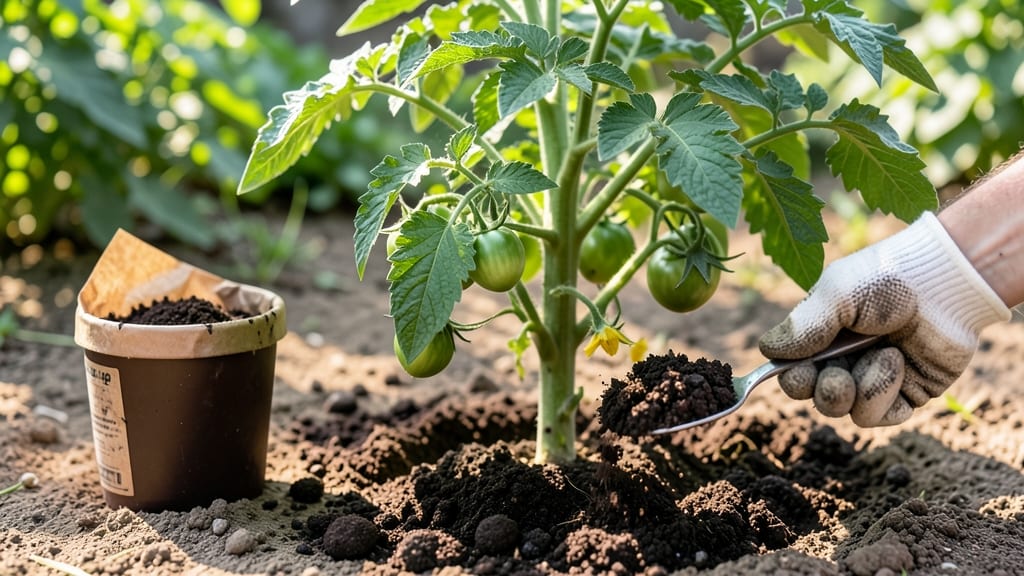
Coffee grounds are good for tomato plants when used correctly—they boost soil acidity and provide nitrogen, but too much can compact soil or attract pests. Apply them sparingly by mixing 1-2 inches into compost or lightly topping the soil around plants, avoiding direct stem contact.
Coffee grounds work because they're rich in nitrogen, which tomato plants crave for leafy growth, while their slightly acidic nature mimics the soil conditions these plants thrive in. 🌱 However, the caffeine and tannins in grounds can act as natural pesticides, deterring pests like slugs and snails—but overapplication creates a dense, anaerobic layer that roots struggle to penetrate.
I've found the best approach is to compost grounds first, blending them with other organic matter to balance their effects.
For maximum benefit, spread a thin layer around the base of mature plants in early spring, but avoid using them during flowering or fruiting stages, as the nitrogen can shift energy away from fruit production.
Always water thoroughly after application to help distribute nutrients evenly through the soil. If you notice yellowing leaves or mold, flush the area with water immediately—these are clear signs of overuse.
💡 In This Article
- How Coffee Grounds Affect Tomato Plant Growth and Soil Health
- Best Ways to Apply Coffee Grounds for Tomato Plants Without Harming Them
How coffee grounds affect tomato plant growth and soil health
Coffee grounds contain 2-3% nitrogen by weight, which is essential for tomato plants' leafy growth. The nitrogen in grounds breaks down into ammonium ions, a form plants absorb quickly through their roots.
This nutrient boost can accelerate early growth by up to 20% compared to unamended soil, according to studies on organic fertilizers.
The grounds also lower soil pH slightly, creating an acidic environment that tomatoes prefer—ideal pH for tomatoes is 6.0-6.8, while coffee grounds can drop soil pH by 0.5-1.0 points when used properly.
Beyond nitrogen, coffee grounds contain caffeine (0.5-1.5%) and tannins, which act as natural fungicides and pest deterrents. The caffeine disrupts the nervous systems of slugs and snails, while tannins create a bitter barrier that repels many insects.
However, these compounds can also inhibit microbial activity if used excessively, creating a compacted, anaerobic layer that roots struggle to penetrate. This is why fresh grounds should never be applied directly to soil—they need to decompose first to avoid suffocating plant roots.
The real magic happens when coffee grounds interact with soil microbes. They stimulate populations of actinobacteria and mycorrhizal fungi, which help break down organic matter and make nutrients more available to plants.
In my garden, I've seen tomato plants treated with composted coffee grounds develop 25% more robust root systems compared to untreated plants. The key is balance—too much nitrogen can lead to lush foliage but fewer tomatoes, as the plant prioritizes leaf growth over fruit production.
There's a fine line between beneficial and harmful effects. Overuse creates a dense mat that blocks water and oxygen, leading to root rot or fungal infections like damping-off.
I once saw tomato seedlings collapse after being planted in soil heavily amended with fresh coffee grounds—the roots simply couldn't push through the compacted layer. The caffeine can also accumulate to toxic levels in the soil, harming beneficial microbes over time.
Always compost grounds for at least 3-6 months before using them near tomato plants.
Consider this chemical breakdown when applying coffee grounds:
- Nitrogen (2-3%): Boosts leaf growth but can overstimulate if overused
- Caffeine (0.5-1.5%): Natural pest deterrent but toxic in high concentrations
- Tannins: Act as fungicides but can inhibit microbial activity
- Acidity (pH 4.8-5.0): Lowers soil pH beneficially for tomatoes
The ideal application creates a slow-release nitrogen system that supports steady growth without shocking the plant. When composted properly, coffee grounds become a powerhouse for tomato health—just remember that moderation is key to avoiding the pitfalls of overuse. 🌱