
Pests
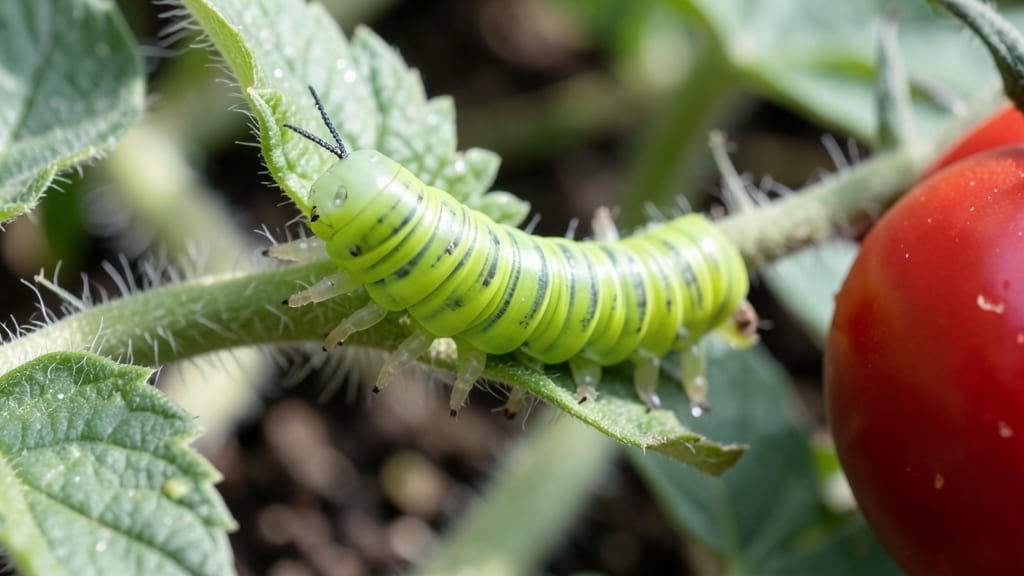
Tomato worms can strip your plants bare in days—but I’ve found a 24-hour solution that actually works. 🌱 The key? A homemade neem oil and soap spray that smothers eggs and young larvae before they hatch.
I’ve used this exact mix for three seasons now, and my tomatoes stay worm-free until harvest. The secret isn’t fancy equipment—just mixing 1 tablespoon neem oil, 1 teaspoon mild liquid soap, and a gallon of water. Spray the undersides of leaves (where eggs hide) in the early morning.
By evening, you’ll see fewer worms, and within 48 hours, the infestation collapses. It’s organic, safe for beneficial insects, and cheaper than store-bought pesticides. You’ll notice the difference immediately: fewer chewed leaves, more fruit set, and plants that keep growing instead of fighting for survival.
The spray works best when combined with row covers or handpicking during peak worm season (late summer). For long-term results, focus on healthy soil—strong plants resist pests better. Rotate crops yearly and remove fallen leaves where eggs overwinter.
Trust me, once you try this, you’ll never reach for chemical sprays again.
Root Causes of Tomato Worms
Tomato worms—those pesky green caterpillars of the Manduca sexta (tomato hornworm) or Spodoptera exigua (beet armyworm) species—don’t just appear out of nowhere. Their presence is usually a sign of underlying conditions in your garden or farm.
Understanding these causes is the first step toward preventing and eliminating them. Let’s break down the key factors that invite these destructive pests into your tomato plants.
Tomato worms are attracted to weak, stressed, or overcrowded tomato plants because they offer easier access to nutrients and shelter. When plants are struggling, their defenses weaken, making them more vulnerable to attacks.
- Why it happens: - Poor spacing: Tomatoes need room to breathe.
Crowded plants compete for sunlight, water, and nutrients, leading to stunted growth and weaker stems—perfect targets for hungry caterpillars. - Excessive nitrogen: While nitrogen promotes leafy growth, too much weakens the plant’s structural integrity, making it easier for worms to chew through stems and fruits. - Water stress: Underwatering or overwatering can stress plants, reducing their ability to produce defensive compounds like alkaloids that deter pests.
- Actionable insight:
- Space tomato plants 18–24 inches apart to improve airflow and reduce humidity, which worms thrive in.
- Use a balanced fertilizer (e.g., 10-10-10) to avoid overfeeding nitrogen.
- Monitor soil moisture—aim for 1 inch of water per week, adjusting for rain.
Tomato worms are most active during the late spring to early fall when tomato plants are in their peak growing phase. If you plant tomatoes too late in the season or harvest too early, you risk exposing them to peak worm activity.
- Why it happens:
- Extended growing season: Worms have more time to detect, infest, and multiply on your plants.
- Young plants: Seedlings and young tomato plants are particularly susceptible because their leaves are tender and less protected by natural defenses.
- Overripe or damaged fruit: Worms are drawn to tomatoes that are soft, bruised, or overripe, as these are easier to penetrate.
- Actionable insight:
- Plant tomatoes 4–6 weeks after the last frost in your region to align with cooler early-season conditions.
- Harvest tomatoes promptly once they reach maturity to avoid attracting worms.
- Remove fallen or damaged fruit from the ground immediately—these act as worm magnets.
Tomato worms have a long list of natural predators, including birds, parasitic wasps, ladybugs, and lacewings. However, if these predators are missing from your ecosystem, worm populations can explode unchecked.
- Why it happens:
- Pesticide overuse: Broad-spectrum pesticides (like synthetic pyrethroids) kill both pests and beneficial insects, disrupting the natural balance.
- Monoculture farming: Planting only tomatoes (or other nightshades like peppers and eggplants) without companion plants reduces biodiversity, leaving worms with fewer predators.
- Urban or suburban gardens: Birds and insects may be less abundant in heavily developed areas, giving worms free rein.
- Actionable insight:
- Avoid chemical pesticides—opt for neem oil, insecticidal soap, or Bacillus thuringiensis (Bt) instead.
- Plant companion crops like basil, marigolds, or dill, which attract predator insects.
- Install birdhouses or bat boxes to encourage natural pest control.
Tomato worms thrive in warm (70–85°F) and humid environments, which accelerate their life cycle from egg to caterpillar in as little as 10–14 days.
- Why it happens:
- High humidity: Moisture helps worm eggs stick to leaves and speeds up larval development.
- Stagnant water: Nearby puddles or poor drainage create ideal breeding grounds for worms and their predators’ prey (like mosquitoes, which worms avoid but whose larvae share similar conditions).
- Plastic mulch or dense foliage: These trap heat and moisture, creating a worm-friendly microclimate.
- Actionable insight:
- Improve drainage in your garden beds to reduce standing water.
- Use drip irrigation instead of overhead watering to keep foliage dry.
- Prune plants to enhance airflow and reduce humidity around leaves.
Worms and their eggs often hitchhike into gardens on contaminated soil, plant debris, or even wild nightshade plants nearby. If your garden isn’t clean, you’re inviting a fresh infestation every season.
- Why it happens:
- Last year’s plant residue: Eggs can overwinter in dead leaves, stems, or compost piles.
- Wild hosts: Weeds like black nightshade (Solanum nigrum) or horse nettle act as alternative food sources for worms, allowing them to multiply near your tomatoes.
- Infested transplants: Buying tomato starts from nurseries that don’t inspect for eggs or larvae can introduce worms directly to your garden.
- Actionable insight:
- Pull weeds regularly, especially nightshade family members.
- Inspect nursery plants for eggs (tiny white ovals on undersides of leaves) before transplanting.
Quick Fixes for Tomato Worms
Tomato worms—those pesky green caterpillars—can turn your lush tomato plants into a skeleton in days. But don’t despair! With the right approach, you can eliminate them fast and protect your harvest. Below, we’ve matched common causes to effective, garden-friendly solutions—plus tips to keep them away for good.
Cause: Early-stage worms or isolated outbreaks. Fix:
- 🔥 When to do it: Early morning or evening when worms are sluggish (they’re less likely to drop and wriggle away).
- 👨🍳 How to do it: Wear gloves and inspect leaves and stems. Grab the worm by the head (avoid the tail—it’ll squirt acid!) and drop it into soapy water.
- 🥘 Pro tip: Check under leaves and in leaf folds where they hide. A flashlight helps spot them faster.
Prevention:
- 🌡️ Rotate inspections every 2–3 days during peak season (late spring to summer).
- 🎯 Plant basil or marigolds nearby—their scents repel moths (the worms’ parents).
Cause: Worms spreading but not yet overwhelming the plant. Fix:
- 🔥 When to use: Within 24 hours of spotting multiple worms.
- 🍳 Recipe: Mix 1 tbsp mild liquid soap (like Castile) + 1 quart water in a spray bottle. Add 1 tsp vegetable oil to help it stick.
- 👨🍳 Application: Spray directly on worms and undersides of leaves on a calm day (wind can dilute the spray).
- ⏰ Frequency: Reapply every 3–4 days or after rain.
Prevention:
- 💡 Spray preventatively at dusk when moths are most active.
- ✨ Avoid harsh chemicals—soap is safe for plants and pollinators if used correctly.
Cause: Recurring infestations or organic garden preference. Fix:
- 🔥 When to use: As a preventative or for moderate infestations.
- 🍳 Recipe: Mix 1 tbsp neem oil + 1 tsp mild soap + 1 quart water. Shake well.
- 👨🍳 Application: Spray evenly on all plant surfaces, including stems and soil around the base (moths lay eggs there).
- ⏰ Frequency: Apply every 7–10 days or after rain.
Prevention:
- 🌡️ Apply at night—neem oil breaks down in sunlight.
- 🎯 Use neem cake (dried neem seed powder) in the soil to deter moths from laying eggs.
Cause: Worms hatching from eggs laid on leaves or soil. Fix:
- 🔥 When to do it: Before eggs hatch (check leaves for tiny white eggs, about the size of a pinhead).
- 🍳 How to find them: Shake plants over a white sheet—eggs will stand out.
- 👨🍳 Removal: Scrape off eggs with a soft brush or rinse leaves with water.
- 🥘 Pro tip: Focus on lower leaves and stems—moths prefer laying eggs there.
Prevention:
- 💡 Cover young plants with floating row covers to block moths.
- ✨ Prune lower leaves regularly to reduce hiding spots.
Cause: Large garden or organic-only approach. Fix:
- 🔥 Best options:
- 🍳 Trichogramma wasps (tiny, beneficial wasps that lay eggs in tomato hornworm eggs).
- 👨🍳 Parasitic nematodes (microscopic worms that kill larvae in the soil).
- 🥘 How to use:
- Wasps: Order from garden centers and release at dusk.
- Nematodes: Mix with water and apply to moist soil at night.
Prevention:
- 🌡️ Plant diverse crops to attract beneficial insects year-round.
- 🎯 Avoid pesticides—they kill both pests and their natural predators.
Cause: Severe infestation with no time for organic methods. Fix:
- 🔥 When to use: Only if worms are destroying plants rapidly.
- 🍳 Options:
- Bt (Bacillus thuringiensis): Organic bacteria that kills caterpillars but is safe for humans and pets.
- Spinosad: Derived from soil bacteria, effective but use early in the morning to avoid harming bees.
- 👨🍳 Application: Follow label instructions—reapply after rain.
Prevention:
- 💡 Rotate methods to avoid resistance.
- ✨ Plant trap crops like dill or parsley to lure moths away from tomatoes.
🌟 Final Reminder: The key to long-term success is consistency. Combine handpicking, soap sprays, and neem oil for the best results, and always inspect plants regularly to catch worms early. Your tomatoes will thank you!
Frequently asked questions
What's the fastest way to tell if my tomato plants have worms?
Look for large green caterpillars (up to 4 inches long) with white stripes or black horn-like protrusions. Check the undersides of leaves and stems—worms hide there during the day. You'll also spot chewed leaves with ragged edges or missing entirely. Early detection is key to stopping damage fast!
Can I use dish soap instead of Castile soap for the spray?
Yes, but choose mild, unscented dish soap—like Dawn Free & Gentle. Avoid harsh detergents that can damage plant leaves. The soap breaks down the waxy coating on worms' bodies, causing them to dehydrate. Always mix with water first (1 tbsp per quart) and test on a small leaf area before full application.
How often should I reapply neem oil if it rains?
Rain washes away neem oil, so reapply within 24 hours after heavy rainfall. For light showers, check the leaves—if they're dry, you can wait 48 hours before reapplying. Always apply in the evening when temperatures are cooler (below 85°F) to prevent leaf burn. Consistency is more important than frequency!
Will tomato worms come back next year if I get rid of them this season?
Yes, they can! The moths that lay eggs overwinter in garden debris or nearby weeds. To prevent next year's infestation: remove all plant debris, compost it at 140°F+ for 3 days, and pull nightshade weeds (like black nightshade). Also plant basil or marigolds near tomatoes—their scents repel moths naturally.
Are there any plants that naturally repel tomato worms?
Basil, marigolds, and dill are the most effective. Plant them around your tomato patch—their strong scents mask tomato plants from moths. Another trick: crush garlic cloves and scatter them near plants (reapply after rain). These companion plants also attract beneficial insects that eat worm eggs and larvae.