
Pests
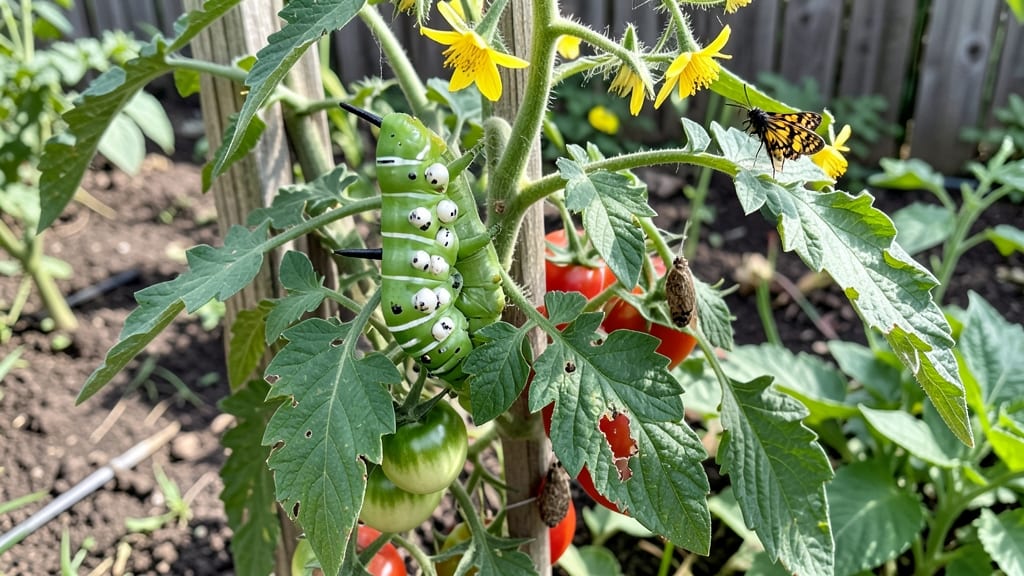
Tomato hornworms turn your thriving plants into skeleton leaves in days. 🌱 I’ve watched these striped caterpillars devour entire tomato plants in under a week—until I learned their life cycle and how to stop them before they strike.
The key is catching them early, when they’re still eggs or tiny larvae, not waiting until they’re the size of your thumb.
The damage starts when moths lay eggs on tomato foliage, then hatch into ravenous larvae that grow up to 4 inches in just weeks. By the time they pupate, your plants may already be struggling.
The good news? Their life cycle is predictable, and with a few simple tricks—like handpicking larvae or introducing parasitic wasps—you can keep them in check naturally.
You’ll recognize the threat by black-and-yellow striped bodies or black droppings on leaves. A single hornworm can defoliate a plant in days, but early action means you’ll protect your harvest without harsh chemicals. The secret is monitoring plants daily during peak season (June–August) and acting fast.
This works for backyard gardens, containers, and even raised beds—anywhere tomatoes grow. Once you understand their timeline, you’ll spot them before they become a full-blown crisis. Let’s break down each stage and how to stop them.
Nature’s Driving Forces Behind Growth
The life cycle of tomato hornworms—from egg to caterpillar to moth—isn’t just a random sequence of events. It’s a finely tuned biological process shaped by environmental cues, evolutionary adaptations, and survival strategies.
Understanding why these stages unfold the way they do reveals the intricate balance between predator and prey in nature. Here’s a breakdown of the key factors that dictate their development:
The tomato hornworm’s life cycle is highly responsive to temperature and daylight, which act as biological switches for each stage. Eggs, for example, hatch within 3–6 days when temperatures hover between 60–85°F (15–29°C).
Cooler nights delay hatching, while warmer days accelerate it—a natural mechanism to ensure caterpillars emerge when food (tomato plants) is abundant.
Daylight also plays a role: Longer photoperiods (14+ hours of light) stimulate faster larval growth, while shorter days can prolong development. This explains why hornworms thrive in summer gardens—their bodies are primed to capitalize on peak growing conditions.
Pro Tip: 🌡️ Monitor your garden’s microclimate. If your region experiences early heatwaves, hornworm eggs may hatch weeks ahead of schedule, leaving your tomatoes vulnerable sooner.
Tomato hornworms are specialized feeders, meaning they’ve evolved to thrive on Solanaceae plants (tomatoes, peppers, eggplants, and tobacco). Their rapid growth—from egg to 4-inch caterpillar in just 2 weeks—is fueled by the high water and nitrogen content in these plants.
Here’s how it works:
- Leaf chemistry: Solanaceous plants produce alkaloids (like nicotine in tobacco), which deter most pests—but tomato hornworms metabolize these toxins using specialized enzymes.
- Nutrient density: Tomato leaves are packed with proteins and sugars, providing the energy hornworms need to grow at 1 inch per day.
- Volatile compounds: When damaged, these plants release chemical signals that attract hornworm predators (like parasitic wasps). However, hornworms eat so aggressively that they often overwhelm these defenses.
Pro Tip: 🍅 Rotate crops or interplant tomatoes with basil or marigolds, which can mask the plant’s scent and confuse hornworms slightly—though they’ll still find your tomatoes eventually.
Tomato hornworms don’t just grow fast—they’re built for survival against predators. Their life cycle is a masterclass in camouflage and deception:
| Stage | Predator Defense | Why It Works |
|---|---|---|
| Egg | Tiny, yellow, and blended into foliage | Most predators (birds, spiders) overlook them due to size and color. |
| Larva (Caterpillar) | Green body with white stripes (resembles bird droppings) | Mimics waste to avoid being eaten; fast movement when threatened. |
| Pupa | Buried in soil, motionless | Hides from ground predators; hard outer shell protects against parasites. |
| Adult Moth | Nocturnal, dull gray wings | Avoids daytime predators; flies at night to lay eggs undetected. |
Even their metabolism is optimized for survival: Hornworms can double their weight in 48 hours by feeding continuously, ensuring they reach pupation size before predators catch up.
Pro Tip: 🕵️ Scout your garden at dawn/dusk—this is when hornworms are least active and easier to spot (and remove) before they devour your plants.
The tomato hornworm’s life cycle isn’t uniform—it varies by region. In warmer climates (e.g., Florida, California), they may complete 3–4 generations per year, while in cooler zones (e.g., Pacific Northwest), they might only manage 1–2 generations.
Key regional factors:
- Southern U.S.: Year-round activity; overwintering pupae emerge in early spring.
- Northern U.S.: Single brood; eggs laid in late spring hatch when temps rise.
- Mountainous areas: Higher elevations delay development by 2–4 weeks due to cooler temps.
Pro Tip: ⏳ Track local hornworm sightings via gardening forums or agricultural extensions—knowing your area’s typical peak caterpillar months helps you stay ahead.
How to Control Tomato Hornworms
Tomato hornworms may look intimidating, but with the right strategies, you can keep them in check without resorting to harsh chemicals. Below, we break down practical solutions tailored to the root causes of infestations—from early detection to long-term prevention.
Cause: Missing early signs of caterpillars before they devour your plants.
Fix:
- 👀 Inspect leaves daily—Look for chewed foliage, black droppings, and the distinctive green caterpillars (up to 4 inches long!).
- 🕰️ Act fast—Handpick hornworms in the morning when they’re sluggish. Drop them into soapy water (a humane way to dispose of them).
- 🌿 Check undersides of leaves—Hornworms blend in well; flip leaves to spot them early.
Pro Tip: 💡 Use a flashlight at dusk to spot hornworms hiding on stems—they’re easier to spot when they’re less active!
Cause: Lack of beneficial insects that naturally prey on hornworms.
Fix:
- 🐞 Attract ladybugs, lacewings, and parasitic wasps—Plant dill, fennel, and marigolds to lure these predators.
- 🐸 Provide shelter for birds & toads—Leave some leaf litter or install a small birdhouse to encourage their presence.
- 🌱 Avoid broad-spectrum pesticides—These kill helpful bugs along with pests. Opt for neem oil or insecticidal soap instead.
Pro Tip: ✨ If you spot white cocoons on hornworms, don’t squash them—that’s a sign of braconid wasps, which are nature’s pest control!
Cause: Hornworms have already caused significant damage, and you need a quick fix.
Fix:
- 🌿 Neem oil spray—Mix 1 tbsp neem oil + 1 tsp mild soap in 1 quart of water. Spray directly on caterpillars (avoid flowering plants to protect bees).
- 🍋 Spicy pepper spray—Blend 1 habanero pepper + 1 quart of water, strain, and spray on leaves. Reapply after rain.
- 🥛 Bacillus thuringiensis (Bt)—A bacteria-based spray that’s safe for humans and pets but deadly to hornworms. Best for young caterpillars (older ones resist it).
Pro Tip: 🌡️ Apply sprays early in the morning or late evening to avoid harming pollinators.
Cause: Recurring hornworm infestations due to poor garden hygiene or lack of barriers.
Fix:
- 🛡️ Use row covers—Lightweight floating row covers (like Reemay fabric) can block moths from laying eggs.
- 🌱 Rotate crops—Avoid planting tomatoes, peppers, and eggplants in the same spot yearly to disrupt their life cycle.
- 🌱 Interplant with basil—Studies show basil repels hornworm moths while improving tomato flavor!
- 🧹 Clean up debris—Remove old plant stems and fallen leaves where moths lay eggs.
Pro Tip: 🎯 Plant garlic and onions nearby—Their strong scent deters hornworm moths from your garden.
| Season | Action | Why It Works |
|---|---|---|
| Early Spring | Apply Bt spray preventatively | Kills larvae before they grow large |
| Summer (Peak Season) | Handpick daily + introduce predators | Stops infestations before they spread |
| Fall | Remove all plant debris | Eliminates egg-laying sites for next year |
| Winter | Plant cover crops (clover, rye) | Improves soil and reduces moth habitats |
Final Note: With a mix of early action, natural predators, and smart gardening, you can keep tomato hornworms under control without chemicals. 🌱💚 The key is consistency—check your plants regularly, and your garden will stay lush and pest-free!
Frequently asked questions
How can I tell if I have tomato hornworms before they cause damage?
Look for tiny yellow eggs on the undersides of tomato leaves—these hatch in 3-6 days. Early signs also include chewed leaf edges (not clean cuts) and black droppings on foliage. Check plants daily at dawn when caterpillars are sluggish.
Are tomato hornworms harmful to humans or pets?
No, they pose no threat to humans or pets. While their black-and-yellow striped bodies might look intimidating, they’re harmless if accidentally touched. The real concern is the rapid defoliation they cause to your tomato plants.
Why do hornworms seem to appear suddenly in my garden?
Adult moths lay 200-300 eggs at once, and eggs hatch quickly (3-6 days). Their larval stage grows 1 inch per day, so they go from invisible eggs to 4-inch caterpillars in just weeks. This rapid growth explains why infestations seem to explode overnight.
Can I use neem oil on tomato hornworms, and how often?
Yes! Mix 1 tbsp neem oil + 1 tsp mild soap in 1 quart of water and spray directly on caterpillars. Reapply every 5-7 days or after rain. For best results, spray early morning or evening to protect pollinators.
What’s the best way to dispose of handpicked hornworms?
Drop them into a bucket of soapy water (humane and effective). For organic gardens, you can also place them in a sealed bag and freeze them overnight. Avoid crushing them—their toxins can irritate skin.