
Vegetables
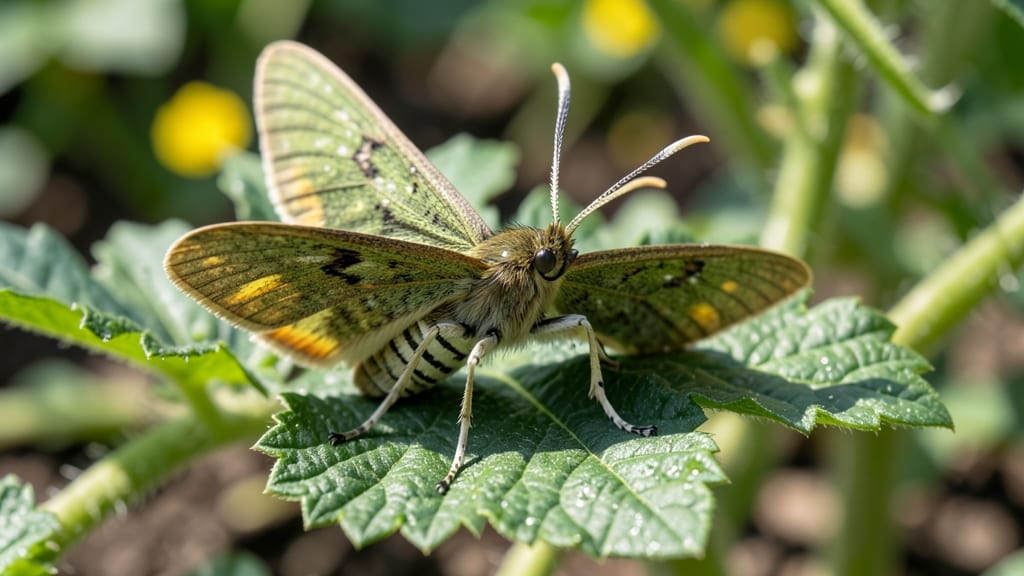
The tomato hornworm moth size as an adult typically measures 3 to 4 inches (7.5 to 10 cm) in wingspan, featuring a distinctive greenish-brown body with bold white diagonal stripes. Their caterpillar stage is even more impressive, reaching up to 4 inches (10 cm) long before transforming into moths.
The tomato hornworm moth size difference between the caterpillar and adult stages is dramatic. 🌿 These caterpillars are notorious garden pests, often devouring entire tomato plants in a single night.
Once they metamorphose, the adult moths become less destructive but still striking with their large wingspan. Understanding their life cycle helps gardeners target the right stage for control measures.
What's fascinating is how quickly they grow—caterpillars can reach their full length in just a few weeks under ideal conditions. Their size isn't just impressive but also makes them easy to spot, which is crucial for gardeners trying to protect their crops.
💡 In This Article
- Tomato Hornworm Moth Life Cycle Stages and Size Changes
- How to Identify Tomato Hornworm Moths vs Similar Garden Pests
Tomato hornworm moth life cycle stages and size changes
The tomato hornworm's journey from egg to adult moth is a dramatic transformation, with size changes that reflect their voracious feeding habits. Newly hatched larvae measure just 0.1 inches (2.5 mm)—about the size of a pinhead—but they grow exponentially as they molt through five instar stages.
By their final instar, they balloon to 4 inches (10 cm), their bodies swollen with the energy from devouring 10-20 tomato leaves per day during peak growth.
What drives this rapid growth? The caterpillars' diet is 90% plant material, rich in sugars and proteins that fuel their development. Under ideal conditions—75-85°F (24-29°C) and abundant food—they complete their larval stage in just 4-6 weeks.
Temperature is critical here: cooler weather slows growth, while heat accelerates it, sometimes causing caterpillars to reach full size in as little as 3 weeks. Their pupal stage, by contrast, lasts 10-14 days and sees them shrink dramatically as they prepare for metamorphosis into the adult moth.
The adult moth emerges with a 3-4 inch (7.5-10 cm) wingspan, but their size pales in comparison to their caterpillar phase. This adult form is primarily focused on reproduction rather than feeding—they don't eat at all.
Their greenish-brown wings with white diagonal stripes serve as camouflage against tree bark, blending seamlessly with their nocturnal resting spots. The moths' size makes them less mobile than smaller species, which is why they're often found near host plants like tomatoes, tomatoes, and peppers.
Environmental factors play a surprising role in their size variations. Caterpillars reared in greenhouses often grow larger due to consistent warmth and abundant food, while those in open fields may be slightly smaller due to cooler nights.
Interestingly, the pupal stage is when their size stabilizes—they lose weight as fluids are reabsorbed, preparing for the dramatic transformation into their adult form. This process is why gardeners often see "shrinking" pupae before the adult emerges.
Here's how their size compares to other garden pests:
- Luna moth: Wingspan of 4.5 inches (11.5 cm), larger but with more delicate wings
- Sphinx moth: Similar size (3-4 inches) but with a stouter body
- Tomato hornworm caterpillar: 4 inches (10 cm)—longer than most garden pests
Understanding these size changes helps gardeners time their interventions effectively. Targeting caterpillars before they reach 2 inches (5 cm) is most effective, as they become less vulnerable to predators and pesticides once fully grown.
The adult moth's size, while impressive, makes them easier to spot during their brief 7-10 day adult lifespan, giving gardeners one last chance to monitor their populations before the cycle begins anew.