
Pests
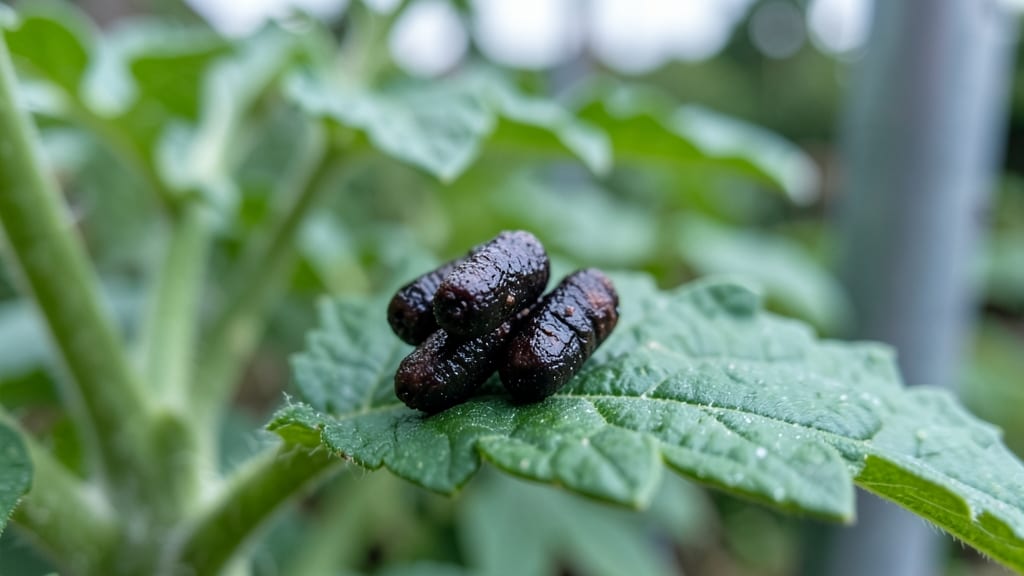
Horned tomato worm poop is the first warning sign your plants are under siege. 🌱 Those tiny black specks aren't just unsightly—they signal a hungry hornworm devouring your tomatoes from the inside out, leaving skeletonized leaves behind.
The damage escalates fast: a single caterpillar can strip a plant bare in days. I learned this the hard way when my heirloom tomatoes went from thriving to tragic in under a week. The key is acting before you see the worms themselves—those black droppings are your early detection system.
With these 3 steps, you'll rescue your plants: remove the frass (it's a clue), introduce natural predators like parasitic wasps, and handpick the caterpillars at night when they're sluggish. Your tomatoes will bounce back faster than you think. This method works for peppers and eggplants too.
The secret is consistency—check your plants twice a week during peak season (June through August) and you'll keep those hornworms from turning your garden into a buffet.
📚 In This Guide
- What you need
- Instructions
- Tips and common mistakes
- Wrapping up and next steps
What you need
- ● Gloves (nitrile or rubber): 1 pair (to protect hands from sap and bacteria).
- ● Pruning shears: 1 pair (sterilized, sharp blades for clean cuts).
- ● Trash bags (heavy-duty): 2–3 bags (for collecting frass and infested leaves).
- ● Neem oil (1% solution): 16 oz (organic pesticide to deter future worms).
- ● Garden hose with nozzle: 1 (for rinsing plants post-treatment).
- ● Disinfectant (rubbing alcohol or bleach solution): Small bottle (to sterilize tools).
- ○ Horned tomato worms (optional but helpful): 1–2 live specimens (for ID confirmation if unsure).
- ● Dust mask: 1 (if sensitive to dust or strong neem oil scents).
- ● Soft brush (toothbrush or paintbrush): 1 (for gently removing frass from leaves).
- ● Compost bin (separate from garden waste): 1 (to dispose of frass safely—it’s nitrogen-rich!).
- ● Food-safe soap (like Castile): 1 oz (for deep-cleaning sticky residue).
- ● Plant growth stimulant (seaweed extract): 8 oz (to revitalize tomatoes post-treatment).
How to salvage plants damaged by hornworm feeding
Hornworms leave behind telltale signs—chewed leaves and their distinctive poop. Here's how to restore your plants quickly.
🌿 Step 1: Assess and Remove Hornworm Damage
Start by examining the affected plant closely. Look for chewed leaves, hollowed stems, and the dark green, cylindrical droppings that are classic hornworm poop. Remove any severely damaged leaves or stems with clean pruning shears—this prevents disease from entering through open wounds.
Don't just trim the obvious damage. Check the undersides of leaves and along stems where hornworms hide. If you spot the caterpillar itself (green with white stripes and a horn-like tail), drop it into soapy water immediately. This step ensures you're not just treating symptoms but eliminating the source of the problem.
💧 Step 2: Clean and Treat the Plant
Wipe down the remaining leaves with a damp cloth to remove hornworm frass (poop). This isn't just about looks—frass can harbor bacteria and fungi that weaken plants further. For stubborn residue, mix 1 tablespoon of mild dish soap with 1 gallon of water and spray lightly on the foliage. Avoid soaking the plant, as excess moisture encourages fungal growth.
Apply a neem oil solution (1 teaspoon per quart of water) to the leaves as a preventative measure. Neem oil disrupts the life cycle of hornworms and deters future infestations. Spray in the early morning or late evening when bees and other pollinators are less active. This treatment also helps restore the plant's natural defenses after the stress of feeding damage.
✂️ Step 3: Boost Recovery with Targeted Care
After cleaning, focus on the plant's recovery by providing balanced fertilizer with equal parts nitrogen, phosphorus, and potassium. Use half the recommended strength to avoid burning stressed foliage. Water deeply at the base of the plant, ensuring the soil is moist but not waterlogged. This encourages root growth and helps the plant rebuild its energy reserves.
Move the plant to a location with bright, indirect light for a few days to reduce stress. If the damage was severe, consider temporarily shading the plant with a lightweight fabric to prevent sunburn on exposed stems. Monitor the plant daily for new signs of hornworm activity. With consistent care, you'll see new growth within 1-2 weeks, signaling that your plant is on the road to recovery.
Tips & tricks for reviving plants after hornworm damage
When hornworms strike, quick action is key to helping your plants bounce back. These simple tricks will make all the difference in their recovery.
Inspection Tip: In Step 1, don't stop at the obvious damage. Hornworms often hide on the undersides of leaves or in the crevices of stems. I always check these spots first—it's where I've found the caterpillars hiding after they've already done their damage. Use a small flashlight to shine through leaves; you'll often see their telltale droppings or even the worms themselves.
Cleaning Strategy: When you're wiping down leaves in Step 2, focus on the midribs where frass tends to accumulate. I've found that using a soft toothbrush dipped in the mild dish soap solution works better than just wiping—it gets into those tight spots where residue hides. This thorough cleaning prevents fungal issues that can set in after hornworm feeding.
Neem Oil Timing: The instructions mention applying neem oil in Step 2, but here's what nobody tells you—apply it when the leaves are still slightly damp from your cleaning. This helps the solution adhere better and ensures even coverage. Just be sure to spray in the early morning so the leaves have time to dry completely before nightfall, which helps prevent any potential fungal issues from the moisture.
Recovery Monitoring: In Step 3, when you're monitoring for new growth, pay special attention to the youngest leaves. These are often the first to show recovery signs. I've seen plants show new growth in just 3-5 days if conditions are right—sometimes even before the full 1-2 weeks mentioned in the instructions. This quick response gives you confidence that your efforts are working.
Pro Tips for Horned Tomato Worm Poop
- When hornworms strike, quick action is key to helping your plants bounce back.
- Inspection Tip: In Step 1, don't stop at the obvious damage.
- Cleaning Strategy: When you're wiping down leaves in Step 2, focus on the midribs where frass tends to accumulate.
Frequently asked questions
Got questions about horned tomato worm poop and how to save your plants?
You’re not alone! Here are some of the most common concerns—and quick, actionable answers to keep your garden thriving.
What does horned tomato worm poop actually look like?
Horned tomato worm (aka hornworm) droppings are tiny, dark green to black pellets—about the size of a grain of rice or smaller. They often cluster near feeding sites (like tomato leaves or stems) and can resemble bird droppings but are much smaller. If you spot these, check for the worms themselves (they’re big, green, and have a "horn" on their head!).
How fast will my plant recover after removing the poop?
Recovery depends on the damage! If you catch the infestation early and remove all droppings + worms, your plant can bounce back in 1–2 weeks. Heavy poop buildup can stress plants, so clean up daily for best results. Young plants may need extra care (like pruning damaged leaves) to speed up healing.
Can I just hose off the poop instead of scrubbing?
Hosing is a start, but it’s not enough! Poop residue can cling to leaves and attract pests. For stubborn buildup, mix 1 tsp mild dish soap + 1 gallon water in a spray bottle and gently scrub leaves with a soft brush. Always rinse thoroughly to avoid soap damage.
Will the poop kill my tomato plant if I don’t clean it up?
Directly? No—but it’s a big risk. Hornworm poop can harbor fungal spores (like early blight) and attract other pests (e.g., fruit flies). Left unchecked, it weakens plants, making them vulnerable to disease. Think of it like garden grime: the longer it sits, the messier the cleanup!
Are there natural deterrents to keep hornworms away?
Yes! Try these low-toxicity tricks:
- Handpick worms at night (they’re sluggish then!). Drop them in soapy water.
- Plant basil, marigolds, or dill nearby—hornworms dislike their scent.
- Release parasitic wasps (like Cotesia congregata), which naturally control hornworm populations.
- Use neem oil spray (1 tsp neem oil + 1 quart water) weekly as a deterrent.
Combine these with your poop-cleanup routine for long-term protection!
Wrapping up and next steps
Dealing with horned tomato worm poop might feel overwhelming, but with the right steps, you can save your plants and keep pests in check! 🌱 Remember, early action and organic solutions like neem oil or handpicking are your best allies.
Now that you’re armed with knowledge, take charge of your garden—inspect your plants regularly, and don’t hesitate to act at the first sign of trouble.
Ready to transform your garden into a thriving, pest-free paradise? Start by applying the 3-step rescue plan and share your success (or ask questions!) in the comments below. Happy gardening! 🌿✨