
Vegetables
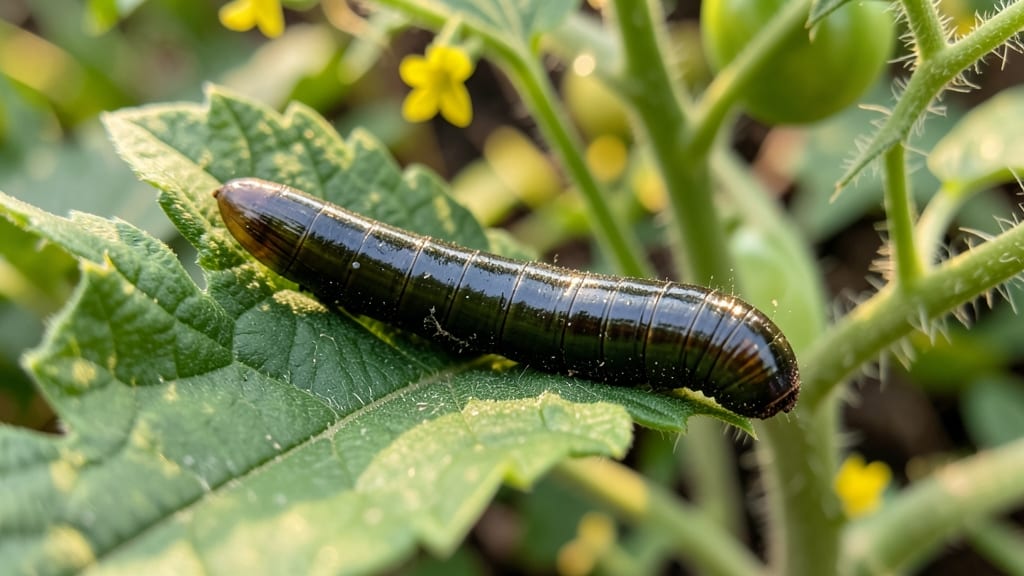
That black, grainy mess on your tomato leaves isn’t just damage—it’s tomato hornworm poop, a free, nutrient-rich fertilizer your plants will love. 🌱 I used to toss it aside, but now I collect it in a bucket to enrich my compost, turning a pest problem into garden gold.
The key is identifying the culprit: tomato hornworm droppings are dark, irregular pellets that appear alongside chewed leaves. These hungry caterpillars can strip a plant bare in days, but their waste is packed with nitrogen and organic matter—perfect for feeding soil microbes.
Once you spot the droppings, act fast: handpick the worms (they’re easy to spot—green with white stripes) or introduce parasitic wasps, which naturally control their population. Your tomatoes will bounce back stronger, and your soil will thank you for the extra boost.
This trick works year-round, whether you’re growing in containers or raised beds. The secret? Turn a pest’s waste into your garden’s gain—nature’s way of recycling at its finest.
The Hidden Culprits Behind Droppings
If you’ve ever spotted tiny, dark green pellets scattered across your tomato plants—especially near plump, chewed leaves—you’re likely dealing with tomato hornworm droppings. These aren’t just random debris; they’re a clear sign of an infestation.
Understanding why these caterpillars leave their waste behind helps you tackle the problem at its source. Here’s what’s really going on in your garden:
The most obvious reason for piles of tomato hornworm poop is a surge in caterpillar numbers. These voracious eaters thrive in gardens rich in tomato plants, basil, peppers, and eggplants—all part of the nightshade family. Here’s why they multiply so quickly:
- Rapid reproduction: A single female moth can lay 200–300 eggs in her lifetime, and they hatch in just 3–5 days under warm conditions.
- High survival rate: Hornworm caterpillars have few natural predators (except for braconid wasps, which lay eggs inside them) and grow 2–3 inches long in weeks, devouring entire leaves overnight.
- Seasonal spikes: Peak activity occurs in late spring to early summer, when tomato plants are lush and full of tender foliage.
💡 Pro Tip: Check the undersides of leaves (especially near stems) for tiny green eggs or caterpillars—early detection means fewer droppings later!
While hornworms are the direct cause of the poop, your garden’s health plays a role in attracting them. Here’s how:
- Excess nitrogen: Fertilizers high in nitrogen (like blood meal or manure) make tomato plants grow fast and soft, which hornworms love. Their droppings become more frequent as they feast on this nutrient-rich foliage.
- Lack of diversity: Monoculture gardens (rows of only tomatoes) provide a buffet for hornworms with no natural barriers. They’ll strip plants bare, leaving behind a trail of waste.
- Weeds acting as hosts: Plants like datura (jimsonweed) and tobacco can harbor hornworm eggs, giving them a head start before they migrate to your tomatoes.
🌿 Action Step: Rotate crops yearly, interplant with basil or marigolds (hornworms avoid them), and use balanced fertilizers (like 10-10-10) to reduce vulnerability.
Hornworms are heat-loving pests, and their activity (and poop production) skyrockets under the right conditions:
| Factor | Impact on Hornworms |
|---|---|
| Warm nights (above 70°F) | Accelerates egg hatching and caterpillar growth, leading to explosive populations in weeks. |
| High humidity | Keeps eggs moist, increasing survival rates. Droppings may also stick to leaves, making them easier to spot. |
| Drought stress in plants | Weakened tomato plants can’t fight off hornworms as effectively, leading to heavier feeding and more waste. |
🔥 Climate Hack: Use row covers in early spring to block moths from laying eggs, or set up yellow sticky traps to monitor adult moth activity.
In a healthy ecosystem, hornworms are kept in check by predators. But if these helpers are missing, the caterpillars—and their poop—take over:
- Birds (e.g., robins, sparrows) eat hornworms but may avoid gardens with cat urine or reflective tape.
- Lacewings and ladybugs prey on hornworm eggs but are often outcompeted by aphids or mites.
- Parasitic wasps (braconids) lay eggs inside hornworms, turning them into “zombie caterpillars.” Pesticides kill these wasps, removing a key check on hornworm populations.
🐝 Eco-Friendly Fix: Plant dill, fennel, or yarrow to attract predatory insects, or introduce beneficial nematodes to the soil to support natural pest control.
How to Turn Green Waste into Gold
Now that you know why tomato hornworm droppings end up in your garden—and why they’re actually a gift—let’s tackle the how-to of managing them effectively.
Whether you’re dealing with an infestation or simply want to maximize their benefits, these practical solutions will help you turn those tiny green pellets into a gardening powerhouse.
---
If the sight of hornworm poop is overwhelming, don’t toss it—harness it! These nutrient-rich droppings are compost gold, but they need the right conditions to break down efficiently.
- 🔥 Scoop It Up Daily Check your tomato plants every few days and gently remove droppings with a small trowel or your hands (wear gloves if you’re squeamish). Droppings left on leaves can attract pests like aphids or even mold if they accumulate.
- 🍳 Layer It in Your Compost Bin Spread a thin layer of hornworm poop (about ½ inch thick) in your compost pile or bin. Mix it with brown materials (dry leaves, straw, or shredded cardboard) to balance moisture and speed up decomposition.
Avoid piling it too thickly—it can create an anaerobic (smelly) environment.
- 👨🍳 Speed Up the Process If you’re in a hurry, chop the droppings into smaller pieces before composting. They’ll decompose faster, giving you nutrient-rich compost in 2–4 weeks instead of months.
---
For an instant nutrient kick, turn hornworm poop into a homemade compost tea—a quick way to feed your plants without waiting for full compost.
- 🌡️ Brew a Simple Tea Fill a 5-gallon bucket with water and add 1 cup of fresh hornworm droppings. Let it steep for 24–48 hours, stirring occasionally. Strain through a fine mesh or cheesecloth to remove solids.
- 🎯 Dilute and Apply Mix 1 part tea with 10 parts water to avoid over-fertilizing. Use a spray bottle or watering can to apply it to the soil around your plants (not the leaves—it can cause burns). Reapply every 2–3 weeks during the growing season.
- ✨ Pro Tip: Add a handful of worm castings or molasses to the tea for extra microbes and a sweeter scent that attracts beneficial bacteria.
---
While hornworm poop is a bonus, too many hornworms can defoliate your tomatoes faster than you can say “salsa disaster.” Here’s how to keep their numbers in check naturally:
- 🔪 Handpick the Hornworms The most effective (and satisfying) method! Wear gloves and pluck hornworms off your plants in the early morning when they’re sluggish. Drop them into a bucket of soapy water—no pesticides needed.
- 🐝 Encourage Natural Predators Hornworms have built-in enemies: parasitic wasps, birds, and praying mantises. Plant dill, fennel, or parsley nearby to attract beneficial insects. Avoid broad-spectrum pesticides that kill these helpers.
- 🌙 Use Row Covers Early If you spot hornworm eggs (tiny green ovals on the underside of leaves), cover your plants with floating row covers before they hatch. Remove covers during pollination if you’re growing tomatoes for fruit.
- 🌡️ Trap with Pheromones (Advanced) For large gardens, hornworm pheromone traps (available online) can disrupt mating cycles. Place them away from your tomato patch to avoid catching beneficial insects.
---
The key to long-term success is observation. Keep an eye on your garden to ensure you’re reaping the benefits of hornworm poop without losing control.
- 📅 Weekly Plant Checkups Inspect your tomatoes once a week for new droppings, eggs, or hornworms. Early action prevents a full-blown infestation.
- 🥗 Rotate Crops Planting basil, marigolds, or borage near tomatoes can deter hornworm moths from laying eggs in the first place. These companion plants mask tomato scents or repel pests.
- 💪 Boost Plant Health Healthy, vigorous tomato plants can tolerate a few hornworms without damage. Ensure your soil is rich in compost, phosphorus, and potassium (use banana peels or wood ash for a quick boost).
---
Remember, tomato hornworm poop isn’t just waste—it’s a free, organic fertilizer your garden will thank you for. By following these steps, you’ll minimize damage, maximize nutrients, and keep your tomato plants thriving—all while enjoying the satisfaction of working with nature’s cycle.
Now grab that trowel, brew some tea, and let your garden flourish! 🍅✨
Frequently asked questions
What do tomato hornworm droppings look like?
Tomato hornworm poop appears as small, dark green to black, irregularly shaped pellets (about 1/8-inch long). They often cluster near chewed leaves or stems, and their presence is a clear sign of an active infestation. Unlike bird droppings, hornworm waste is much finer and doesn't have a white outer layer.
Are tomato hornworm droppings harmful to plants?
No, the droppings themselves aren't harmful—they're actually nutrient-rich! However, excessive droppings can attract pests like aphids or even mold if left on leaves for too long. The real issue is the hornworms themselves, which can defoliate plants quickly. Collect the poop for compost, but remove the caterpillars to protect your plants.
How do I tell if hornworm poop is from tomato plants?
While hornworms eat many plants (like peppers, eggplants, and basil), their droppings on tomatoes are especially common because tomato leaves are their favorite snack. Look for irregular black pellets near jagged, chewed leaf edges—a classic sign of hornworm activity. If you see both droppings and caterpillars, it’s definitely tomato-related.
Can I use tomato hornworm poop as fertilizer right away?
Fresh droppings are too strong to use directly on plants—they can burn foliage. Instead, compost them for 2-4 weeks or brew a diluted compost tea (1 part droppings to 10 parts water). This gives nutrients time to break down safely. For immediate use, mix a small amount into soil at the base of plants, away from leaves.
What should I do if I find hornworm poop but no caterpillars?
Check the undersides of leaves and stems for tiny green eggs or small caterpillars—they might be hiding! If you only see poop, the hornworms could have moved on. Remove any droppings to prevent secondary pests, and inspect nearby plants. Early detection means fewer future droppings and healthier plants!