
Planting
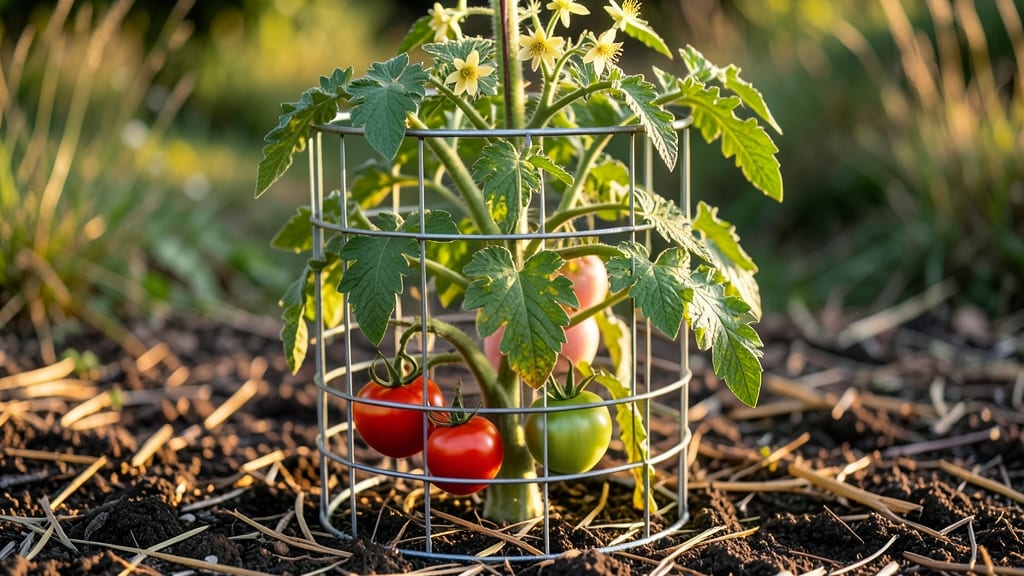
Those banana legs on your tomato plant aren’t a problem—they’re a sign of a thriving, 10-foot-tall indeterminate variety reaching for the sky. 🌿 I’ve grown these towering beauties for years, and the secret isn’t fighting their height but working with it to produce more fruit than you’ll know what to do with.
First, pick the right varieties like ‘Sungold,’ ‘Brandywine,’ or ‘Cherokee Purple’—they’re bred to grow tall and productive. Give them full sun (6-8 hours daily) and well-draining soil rich in organic matter.
The key? A sturdy support system like a 9-foot tomato cage or heavy-duty stakes to keep those leggy stems from toppling over.
Pruning is where the magic happens. Remove suckers (those little shoots in the leaf axils) to direct energy upward, not outward. Pinch off the first few flowers to encourage stronger stems before they bear fruit. By mid-summer, you’ll have a lush, vibrant green vine producing tomatoes until frost.
Don’t let the height scare you—these plants are disease-resistant and handle heat better than bush varieties. With the right care, you’ll harvest pounds of fruit from a single plant, making the extra height totally worth it. Ready to grow upward?
📚 In This Guide
- What you need
- Instructions
- Tips and common mistakes
- Wrapping up and next steps
What you need
- ● Banana Legs Tomato Seeds or Seedlings: 1–2 plants (choose Indeterminate varieties like 'Sungold,' 'Cherokee Purple,' or 'Brandywine').
- ○ Optional: Heirloom or organic seeds for extra flavor!
- ● Growing Container or Tower: Fabric grow bag (5+ gallons) or wooden tomato cage (6+ feet tall).
- ○ Optional: DIY trellis with bamboo stakes or PVC pipes for a budget-friendly twist.
- ● High-Quality Potting Mix: 5–10 gallons of well-draining, organic potting soil (mix in compost for nutrients!).
- ● Fertilizer: Balanced 10-10-10 or 5-5-5 organic fertilizer (or tomato-specific feed).
- ○ Optional: Liquid seaweed extract for a growth boost!
- ● Support System: Tie clips or soft plant ties (10–20 pieces to secure vines as they grow).
- ● Gloves & Hand Trowel (for planting and pruning).
- ● Watering Can or Hose with Adjustable Nozzle (gentle watering = happy plants!).
- ● Pruning Shears (sterilized to avoid disease).
- ● pH Test Kit (aim for 6.0–6.8 soil pH).
- ○ Optional: Mulch (straw or shredded leaves to retain moisture).
- ● Sunlight: 6–8+ hours of direct sun daily (these vines are sun-hungry!).
- ● Warmth: Start seeds indoors 6–8 weeks before last frost or transplant seedlings after soil reaches 55°F+.
- ● Space: Ensure your tower/containers won’t block walkways (those vines get heavy!).
Step-by-step guide to growing banana Legs tomatoes
These towering vines need special care to reach their full 10-foot potential. Here's how to nurture them from seedlings to sky-high harvests.
🌱 Step 1: Start with Strong Seedlings
Begin indoors 8-10 weeks before your last frost date using disease-resistant Banana Legs tomato seeds. Fill seed trays with sterile seed-starting mix and plant seeds ¼ inch deep, spacing them 1 inch apart. Keep soil consistently moist at 75-80°F using a seedling heat mat until germination, which typically occurs in 7-14 days.
Once seedlings emerge, remove the weakest one in each cell to prevent competition. Place them under grow lights for 14-16 hours daily to prevent leggy growth. You'll know they're getting enough light when the stems remain sturdy and leaves stay dark green. Harden off seedlings by gradually exposing them to outdoor conditions for 1-2 weeks before transplanting.
☀️ Step 2: Choose the Perfect Growing Location
Banana Legs tomatoes thrive in full sun, requiring at least 8 hours of direct sunlight daily. Select a location with 6+ feet of vertical space—whether a sturdy trellis, tomato cage, or tall fence. Install your support structure before planting to avoid damaging roots later. The soil should be well-draining and rich in organic matter, with a pH between 6.0-6.8.
Plant seedlings 18-24 inches apart in a hole twice as wide as the root ball to encourage outward growth. Bury the stem slightly deeper than it was in the pot—this promotes stronger root development. Water deeply immediately after planting to settle the soil and eliminate air pockets around the roots. Mulch with 2-3 inches of organic mulch to retain moisture and suppress weeds.
🪴 Step 3: Train and Support the Towering Vines
As the vines grow, gently weave them through the support structure, securing them with soft plant ties or clips every 12-18 inches. Banana Legs tomatoes can reach 10+ feet tall, so your trellis must be able to support their weight. Prune suckers (the small shoots that form in the leaf axils) to direct energy toward fruit production rather than excessive foliage.
Here's the thing—these vines grow fast, so check your ties weekly. If you see leaves rubbing against the support, loosen the ties immediately to prevent damage. When the main stem reaches the top of your support, pinch off the growing tip to encourage bushier growth and more fruit production. You'll notice new lateral branches forming within 1-2 weeks of pinching.
💧 Step 4: Water and Fertilize for Maximum Growth
Water deeply 1-2 times per week, providing 1-2 inches of water each time. Water at the base of the plant in the morning to allow foliage to dry quickly, reducing the risk of fungal diseases. Avoid wetting the leaves, as this can spread disease. Use a soaker hose or drip irrigation system for consistent moisture without disturbing the soil.
Fertilize every 2-3 weeks with a balanced, organic fertilizer (10-10-10 or similar) to support the plant's rapid growth. When flowers appear, switch to a fertilizer higher in phosphorus (like 5-10-10) to encourage fruit set. You'll see new blooms within 2-3 weeks of switching fertilizers. Remove any suckers that form below the first flower cluster to focus the plant's energy on fruit production.
✂️ Step 5: Prune and Harvest for Continuous Production
Prune regularly to maintain airflow and prevent disease. Remove any yellow or diseased leaves immediately, and trim back excessive growth that blocks sunlight from reaching the lower fruit clusters. You'll want to keep the plant's structure open and airy. When fruit begins to ripen, harvest regularly to encourage more production—ripe tomatoes won't stop the plant from producing new ones.
Banana Legs tomatoes ripen from the top down, so you'll harvest the earliest fruits near the top of the vine. Use pruning shears to cut the fruit from the vine, leaving a small stem attached. Store harvested tomatoes at room temperature until fully ripe. With proper care, your Banana Legs plant can produce fruit for 2-3 months, providing a bountiful harvest even as the vines reach their towering height.
Tips & tricks for perfectly nurturing banana Legs tomatoes
Growing these sky-high vines requires patience and precision—but these insider tricks will help you avoid common pitfalls and maximize your harvest.
Seed Starting Success: The 8-10 week indoor head start is non-negotiable for your climate zone. I learned this the hard way after transplanting leggy seedlings that struggled to recover. Use a seedling heat mat to maintain that 75-80°F soil temperature consistently—fluctuations delay germination. Once sprouted, rotate trays daily under grow lights to prevent stems from growing toward one light source, which creates weak, spindly seedlings.
Support System Strategy: Your trellis must handle 10+ feet of vine weight plus fruit load. I recommend installing a 6-foot tall trellis with cross-bracing at the top—this prevents collapse when vines reach their peak. For extra stability, bury the support structure 12 inches deep and use heavy-duty garden stakes to anchor it. The 12-18 inch tie spacing mentioned works, but I add an extra tie at every 10 inches during rapid growth phases (which happen quickly!).
Pruning Precision: The 1-2 week window after pinching the growing tip is critical—this triggers lateral branch formation where fruit clusters will develop. I time my pinch just as the main stem hits the top of the support. Watch for new suckers forming below the first flower cluster and remove them immediately—they compete for energy. For disease prevention, always prune with sterilized shears and make cuts at a 45-degree angle just above a leaf node.
Watering Wisdom: Those 1-2 inch waterings should be measured precisely—too little stresses the plant, too much causes blossom-end rot. I use a rain gauge to track weekly totals and adjust irrigation accordingly. The morning watering rule is golden: wet soil evaporates during the day, keeping foliage dry and reducing fungal risks. For container growers, ensure pots have drainage holes and use saucers to catch excess water—root rot is a silent killer for these thirsty vines.
Pro Tips for Banana Legs Tomato Plant
- Growing these sky-high vines requires patience and precision—but these insider tricks will help you avoid common pitfalls and maximize your harvest.
- Seed Starting Success: The 8-10 week indoor head start is non-negotiable for your climate zone.
- Support System Strategy: Your trellis must handle 10+ feet of vine weight plus fruit load.
Frequently asked questions
Got questions about growing banana legs tomato plants? You’re not alone!
Here are answers to the most common queries—from pruning to pests and everything in between.
What makes banana legs tomato plants grow so tall?
Banana legs tomatoes are an indeterminate variety, meaning they grow continuously until frost. Their vines can reach 10+ feet because they produce unlimited fruit and rely on climbing for support. Without proper trellising or pruning, they’ll sprawl—so stake or cage them early!
How long does it take for banana legs tomatoes to bear fruit?
Expect 60–85 days from transplanting to first fruit, depending on climate and care. Early blooms may drop if plants aren’t established (wait until they’re 18+ inches tall before heavy feeding). Patience pays off—these vines keep producing until frost!
Do I need to prune banana legs tomato plants?
Pruning isn’t required but helps with airflow and fruit size. Remove suckers (shoots between stems) to direct energy to main vines. Skip pruning if you prefer bushier growth or smaller, prolific fruit. Just avoid over-trimming—these plants thrive with minimal intervention!
What pests or diseases should I watch for in tall tomato vines?
Common threats include:
- Hornworms: Strip leaves overnight—handpick them!
- Aphids: Cluster on new growth; blast off with water or use neem oil.
- Blight: Brown spots on leaves? Remove infected foliage and space plants for airflow.
- Cracking fruit: Too much water or uneven ripening—mulch consistently and harvest promptly.
Tall vines are harder to treat, so act fast at the first sign of trouble!
Can I grow banana legs tomatoes in containers?
Yes! Use a 5-gallon+ pot with drainage and a trellis or cage (they’ll still climb). Choose dwarf varieties if space is tight, but expect slightly smaller yields. Pro tip: Container plants dry out faster—water deeply 2–3x/week in hot weather.
Are banana legs tomatoes better for sauce, slicing, or drying?
These juicy, meaty tomatoes shine in all three! Their thick walls make them ideal for:
- Sauces: Low acidity = rich, sweet flavors.
- Slicing: Bursting with taste—perfect for sandwiches.
- Drying: Hold shape well; harvest at pink stage for chewy slices.
Bonus: Their size means fewer seeds per bite—great for fresh eating!
Wrapping up and next steps
Growing a banana legs tomato plant is an exciting way to transform your garden into a lush, high-yielding paradise! These towering vines not only produce abundant, flavorful tomatoes but also add a dramatic vertical element to your space.
With the right support, soil, and care, you’ll soon be harvesting juicy fruits from a plant that feels like a jungle adventure in your backyard.
Ready to take the next step? Start by sketching your trellis design or preparing your soil mix—then watch your tomato plant climb toward new heights! 🌱🍅