
Plants
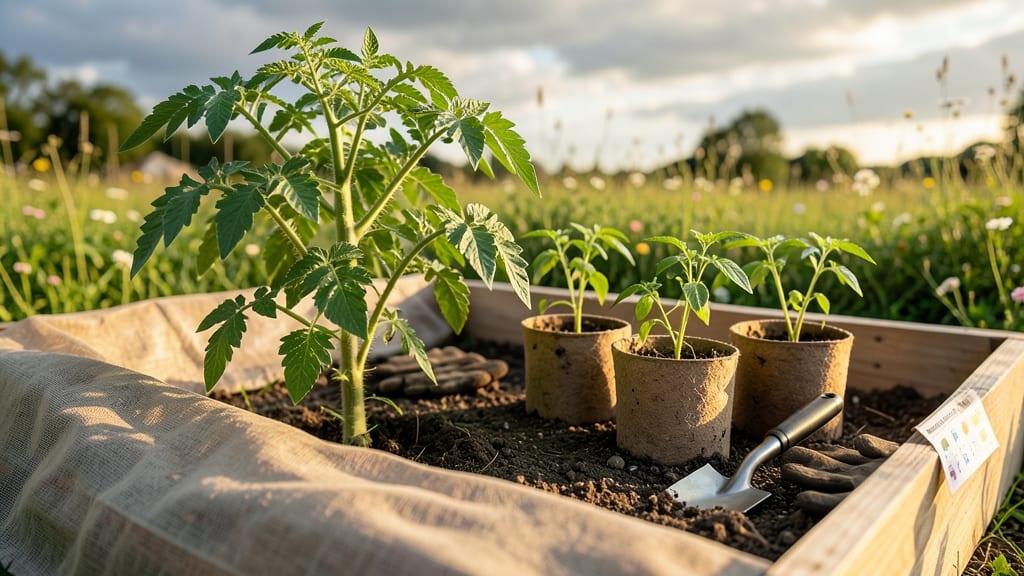
Planting tomato seeds in Ohio at the right time means the difference between a thriving 🍅 harvest and a season of disappointment.
Ohio gardeners know timing is everything—and getting your tomato seeds in the ground too early or too late can mean the difference between a bountiful harvest and wasted effort.
With Ohio’s unpredictable spring weather and specific frost dates, knowing exactly when to start seeds indoors and transplant outdoors is critical for Zone 5b-6a success.
Most Ohio gardeners should begin tomato seeds indoors 4-6 weeks before the last frost date—typically around March 15 to April 1—to ensure strong seedlings ready for transplanting after May 15.
But soil temperature and regional variations play a huge role, and skipping these details can leave your plants struggling.
In this guide, I’ll break down the exact planting timeline for Ohio, including how to adjust for early or late springs, the ideal soil temperature, and when to move seedlings outside without risking frost damage.
You’ll also learn how to spot the signs of transplant shock and which tomato varieties thrive best in Ohio’s climate.
Ohio tomato seed planting timeline: indoor start dates vs. outdoor transplant windows
Getting your tomato seeds off to the right start in Ohio means balancing indoor seedling growth with outdoor transplant timing—and Ohio’s Zone 5b-6a climate adds extra complexity. The key?
Starting seeds indoors 4-6 weeks before your last frost date (typically March 15-April 1 for most regions) while ensuring seedlings are hardy enough for transplant after May 15, when soil temperatures consistently stay above 60°F (15°C). This timeline prevents frost damage while maximizing your harvest window.
Ohio’s last frost dates vary dramatically—from April 15 in southern Ohio (like Cincinnati) to May 1 in northern areas (like Toledo). Even within these averages, microclimates (urban heat islands, hilltops, or low-lying areas) can shift your ideal transplant window by 1-2 weeks.
For example, Columbus gardeners might safely transplant by May 10, while those in Youngstown should wait until May 20 to avoid late frosts. Always check the USDA Plant Hardiness Zone Map and your local agricultural extension office for updates.
Here’s the critical comparison: starting seeds too early (before February 15) risks leggy seedlings that struggle to adapt outdoors, while starting too late (after April 1) leaves you scrambling to mature plants before first frost.
The 4-6 week rule ensures seedlings develop 2-3 sets of true leaves and a sturdy stem before facing Ohio’s unpredictable spring weather. For indeterminate varieties (like 'Brandywine'), this window is non-negotiable—they need 100+ days to produce fruit, while determinate types (like 'Roma') can tolerate slightly later starts.
| Stage | Indoor Seed Starting (Zone 5b-6a) | Outdoor Transplant Window | Key Adjustments for Ohio |
|---|---|---|---|
| Southern Ohio (Cincinnati) | March 15–March 31 | April 25–May 10 | Soil warms faster; use row covers if late frost risk. |
| Central Ohio (Columbus) | March 20–April 5 | May 1–May 15 | Average last frost April 15; monitor soil thermometer. |
| Northern Ohio (Toledo) | March 25–April 10 | May 10–May 25 | Later frosts; consider greenhouse starts for early varieties. |
| Soil Temperature Threshold | N/A (indoor) | 60°F (15°C) minimum | Use soil thermometer; black plastic mulch warms soil faster. |
| Seedling Age at Transplant | 4–6 weeks old | 2–3 sets of true leaves | Hardening off for 7–10 days before transplanting. |
Adjusting for Ohio’s unpredictable springs means paying close attention to soil temperature, not just air temperature. A soil thermometer is your best friend—tomato roots won’t thrive until the soil hits 60°F (15°C). In cooler years, this might delay your transplant window by 1-2 weeks.
For example, if your soil stays below 60°F until May 20, don’t rush! Planting too early in cold soil stresses seedlings and
5 Critical factors that determine your Ohio tomato planting schedule (and how to adjust)
Ohio’s unpredictable spring weather makes timing your tomato planting schedule a balancing act. While the average last frost date for most of Ohio falls between April 15 and May 15, several other factors—like soil temperature, seedling maturity, and microclimates—can shift your ideal planting window.
Ignoring these variables often leads to stunted growth, frost damage, or even total crop failure. For example, planting too early in a cold, wet spring can leave seedlings vulnerable to soil-borne diseases, while waiting too long may shorten your harvest window.
The key is understanding how these factors interact to create a personalized schedule for your specific location in Ohio.
Let’s break down the five critical factors that determine your Ohio tomato planting schedule—and how to adjust them for your garden’s unique conditions. Whether you’re in Columbus, Cincinnati, or Toledo, these adjustments will help you maximize your harvest potential.
For instance, urban gardens often experience warmer microclimates than rural areas, while greenhouses or row covers can extend your growing season by weeks. By mastering these variables, you’ll avoid common pitfalls and ensure your tomato plants thrive from seed to harvest.
- 1 Last Frost Date: Ohio’s Zone 5b-6a average last frost ranges from April 15 (southern Ohio) to May 15 (northern Ohio). Use the USDA Plant Hardiness Zone Map or local agricultural extension resources to pinpoint your exact date. Adjust by 1-2 weeks earlier if you use row covers or 1-2 weeks later for high-risk areas.
- 2 Soil Temperature: Tomatoes won’t germinate until soil reaches 60°F (15°C). Use a soil thermometer to monitor warmth—especially in Columbus, where cooler soils delay planting. In Cincinnati, urban heat islands may warm soil faster, while Toledo often needs extra patience. Wait until nighttime temps stay above 50°F (10°C) to transplant.
- 3 Seedling Age: Start seeds indoors 6-8 weeks before your last frost date. For Ohio, this means March 1-15 for most regions. Seedlings should have 4-6 true leaves and be 3-4 inches tall before transplanting. Harden off seedlings for 7-10 days by gradually exposing them to outdoor conditions to prevent transplant shock.
- 4 Daylight Hours: Tomatoes thrive with 12+ hours of daylight. In Ohio, daylight increases after the vernal equinox (March 20), but short-day varieties may struggle if planted too early. For indeterminate varieties, prioritize planting after May 1 to ensure optimal light exposure. Use grow lights if starting seeds indoors before late March.
- 5 Microclimates: Urban gardens in Columbus or Cincinnati often warm up 2-3 weeks earlier than rural areas due to heat islands. Conversely, Toledo’s proximity to Lake Erie can delay soil warming. Use row covers or greenhouses to extend your season by 3-4 weeks in cooler microclimates. For example, a greenhouse in Toledo may allow planting as early as April 1, while an open-field garden should wait until May 10.
Adjusting for these factors is especially crucial in Ohio’s variable climate. For example, if you’re in Columbus and using a greenhouse, you might start seeds indoors by late February and transplant as early as April 15.
Meanwhile, a gardener in Toledo without a greenhouse should aim for March 15 indoor starts and May 10 outdoor transplanting. Always monitor local weather forecasts and be ready to protect seedlings with row covers if late frosts threaten.
By tailoring your schedule to these five factors, you’ll set your tomato plants up for success—no matter where you garden in Ohio.
Pro tip: Bookmark the Ohio State University Extension’s frost risk maps and check them weekly in spring. These tools provide real-time updates on frost probabilities, helping you make data-driven decisions rather than relying on averages.
Pair this with a soil thermometer and a seedling heat mat for early starts, and you’ll be well on your way to a bountiful tomato harvest. The difference between a mediocre yield and a garden full of ripe tomatoes often comes down to these small but critical adjustments.
Remember, Ohio’s growing season is short—about 165 frost-free days in most areas. Every day counts, so don’t rush the