
Plants
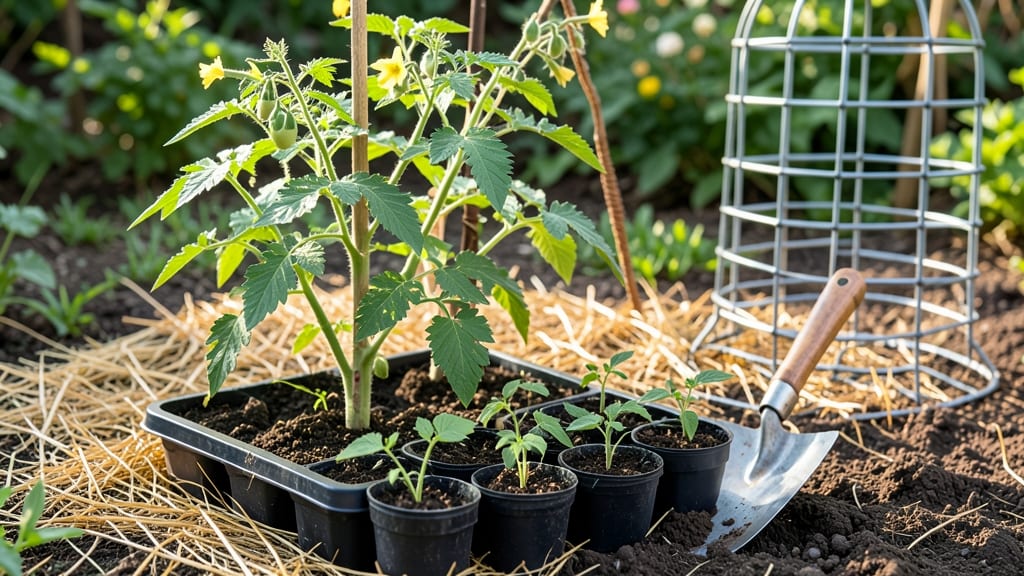
Planting tomato plants in Michigan at the right time means the difference between a bountiful harvest and wilted seedlings — and with frost dates shifting from mid-April in the Upper Peninsula to early May in southern counties, getting it wrong can cost you the whole season.
Michigan gardeners know timing is everything — plant too early and frost will kill them, too late and you’ll miss the harvest season. But with Michigan’s diverse climate zones, the perfect planting window varies by county, from USDA Zone 5b in the north to Zone 6b in the south.
Here’s how to pinpoint your exact planting window, including soil temperature checks, frost-free date maps, and backup strategies for when Mother Nature throws a curveball.
You’ll also discover the best tomato varieties for Michigan’s short season, when to start seeds indoors, and how to stretch your growing window with row covers or containers if your area runs out of time.
Michigan’s last-frost dates by county: the exact window to plant tomatoes
Michigan’s last-frost dates can vary by 5-6 weeks across the state, making timing critical for tomato success. In southern Michigan (USDA Zone 6b), you can plant as early as mid-April, while northern counties (Zone 5b) often wait until early June.
These differences mean your tomato planting window could shift by 6-8 weeks depending on where you live.
To find your exact last-frost date, use the USDA Plant Hardiness Zone Map or Michigan State University’s interactive frost calculator. These tools provide historical frost data for your county, helping you avoid late-spring freezes that can devastate young tomato plants.
For example, Wayne County averages its last frost on April 20, while Chippewa County typically waits until May 25.
Here’s a quick reference for Michigan’s last-frost dates by region, including the ideal transplant window for tomatoes after the frost danger has passed:
For container-grown tomatoes, you can plant 1-2 weeks later than in-ground plants since pots warm up faster. However, always wait until soil temperatures reach at least 55°F—cold soil can stunt root growth and delay fruiting.
Use a soil thermometer to check before planting; most garden centers sell them for under $15.
If you’re unsure about your local frost date, check the Michigan State University Extension website or call your county agricultural office. They track historical frost data and can provide real-time updates if an early frost is forecasted.
For example, in 2022, a late frost in May delayed plantings in Kalamazoo County by 3 weeks, but gardeners who used row covers still achieved a full harvest.
Pro tip: Plant fast-maturing varieties like ‘Early Girl’ or ‘Stupice’ if you’re in a northern county with a shorter growing season. These varieties can produce fruit in as few as 55-60 days, giving you a better chance of a harvest before first frost in October.
Pair them with cold-hardy companions like basil or marigolds to deter pests and improve flavor.
Remember, tomatoes are heat-lovers, so even if frost isn’t a concern, avoid planting until nighttime temperatures stay above 50°F. Cold nights can cause blossom drop, reducing your yield.
If you’re in Zone 5b or colder, consider starting seeds indoors in March to give your plants a 4-6 week head start before transplanting after the last frost.
Finally, keep an eye on the 10-day forecast before planting. Even after the average last frost, a late-spring freeze can still occur. If frost is predicted, cover young plants with frost cloth
How to adjust planting dates for Michigan’s unpredictable spring weather
Michigan’s spring weather can be as unpredictable as a lake breeze in summer—one day it’s 70°F and sunny, the next it’s snowing. For tomato plants, this means your planting window can shift dramatically.
If you plant too early, a late frost will wipe out your seedlings. Too late, and you’ll miss the harvest season entirely. The key? Flexibility and preparation.
Start by monitoring soil temperatures—they’re more critical than air temps. Tomatoes need soil at 55°F+ and nighttime temps above 50°F to thrive. Use a soil thermometer (just $10 at garden centers) to check depths of 2-3 inches.
In northern Michigan, this might mean waiting until mid-May, while southern regions can plant by late April.
For gardeners in USDA Zone 5b (northern Michigan), I recommend using row covers or low tunnels to plant 2-3 weeks earlier than your average last-frost date. These simple tools create a 5-10°F warmer microclimate, protecting seedlings from late frosts.
In my own garden, I’ve successfully planted cherry tomatoes in early May using row covers, then removed them once temps stabilized.
If a late frost still catches you off guard, don’t panic—plant fast-maturing varieties like 'Early Girl' (55 days) or 'Stupice' (50 days). These can be direct-sown after the frost threat passes, even as late as early June.
For containers, opt for bush varieties like 'Patio' or 'Tiny Tim', which mature faster in limited space and can handle slightly cooler soils.
Pro tip: Keep a backup planting plan. If your first batch fails, have seedlings ready in 3-inch pots to transplant within 24 hours. I always grow 10-15 extra plants indoors as insurance. Also, watch the Michigan State University Extension frost forecast—it’s updated weekly and includes county-specific alerts.
Remember, tomatoes are forgiving if you adapt. Even if you miss the ideal window, a late planting can still yield fruit—just choose determinate varieties (bush types) for quicker returns. And if all else fails, container gardening on a sunny patio lets you control the environment entirely.
The goal isn’t perfection; it’s harvesting something, even if it’s just a few tomatoes by Labor Day.