
Planting
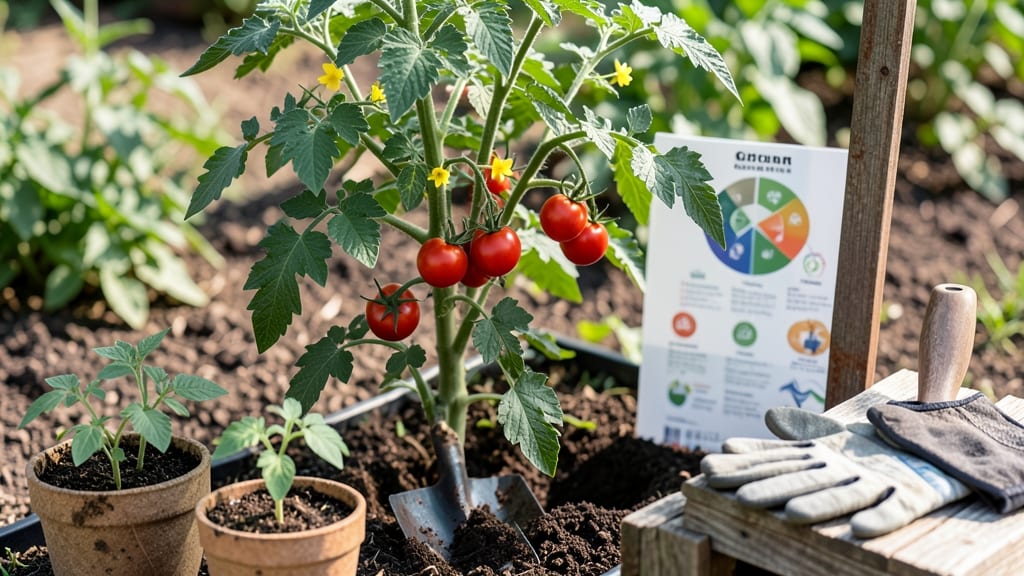
The tomato planting timeline is the key to a harvest that feeds you all summer — and missing the window means wasted effort or frost-nipped dreams.
Picture this: you’ve spent weeks nurturing seedlings, only to watch them shiver under a late spring frost because you planted too early. Or worse, you wait too long, and the heat arrives before your 🍅 plants even set fruit.
The difference between these two outcomes? A precise planting timeline tailored to your USDA zone.
In Zone 6a (like much of the Midwest), tomatoes should go in the ground 2-3 weeks after your last frost date — typically mid-April to early May — but the exact timing shifts dramatically if you’re in Florida’s Zone 9 or Alaska’s Zone 3.
This guide breaks down the exact weeks before your last frost to plant, whether you’re starting seeds indoors or transplanting young plants.
You’ll also discover how soil temperature, variety type, and even your local microclimate can tweak your schedule — plus the 3 biggest mistakes that turn good intentions into garden flops. Let’s get those tomatoes in the ground at the perfect moment.
Tomato planting timeline by USDA Zone: exact weeks before last frost
Timing your tomato planting is all about understanding your USDA zone and last frost date. Tomatoes are frost-sensitive, so planting too early can kill seedlings while waiting too long may shorten your harvest.
For most zones, aim to plant 3-8 weeks before your last frost date, but the exact window depends on whether you're starting seeds indoors or transplanting seedlings.
In colder zones like USDA Zone 3-5, you’ll need to start seeds 6-8 weeks indoors before transplanting outdoors after the last frost. Meanwhile, gardeners in Zones 8-11 can often direct-sow seeds 1-2 weeks before last frost or even later, thanks to milder climates.
Let’s break down the exact weeks for each zone, including cold-hardy varieties for early zones and heat-tolerant options for late zones.
Pro Tip: Always check your local frost dates (they can vary by 1-2 weeks even within the same zone). Use the National Weather Service or Old Farmer’s Almanac for precise data. For example, Zone 6a might have a last frost on April 15, while nearby Zone 6b could be May 1.
| USDA Zone | Last Frost Date (Approx.) | Weeks Before Last Frost to Start Seeds Indoors | Weeks Before Last Frost to Transplant Outdoors | Direct Sowing Window | Recommended Varieties |
|---|---|---|---|---|---|
| Zones 3-4 | May 10 - May 20 | 6-8 weeks | 2-3 weeks (after last frost) | Not recommended (too cold) | Stupice, Glacier, Mountain Merit (cold-hardy) |
| Zones 5-6 | April 15 - May 5 | 5-7 weeks | 2-4 weeks (after last frost) | 1-2 weeks before last frost (with row covers) | Early Girl, Better Boy, Brandywine |
| Zones 7-8 | March 15 - April 10 | 4-6 weeks (optional) | 1-3 weeks (after last frost) | 2-4 weeks before last frost | Celebrity, Sungold, Roma |
| Zones 9-10 | January 15 - February 15 | Not needed (direct sow) | 0-2 weeks (or anytime warm) | Anytime after soil warms to 60°F | Heatmaster, Solar Fire, Black Krim |
| Zone 11 | No frost | Not needed (year-round growing) | Plant anytime (avoid winter) | Spring & Fall (avoid summer heat) | Cherry Tomatoes, Grape Tomatoes, San Marzano |
For Zones 3-4, where frost lingers late, focus on cold-tolerant varieties like Stupice or Glacier. These can handle light frosts (28-32°F) and even produce fruit in cooler conditions. Start seeds indoors in late winter (February) to give seedlings enough time to mature before transplanting in early May.
In Zones 5-6, you have more flexibility. Start seeds indoors in early March and transplant outdoors 2-4 weeks before last frost. For direct sowing, use row covers to protect seedlings if planting 1-2 weeks before last frost.
Varieties like Early Girl mature quickly (55-65 days), making them ideal for shorter seasons.
Gardeners in Zones 7-8 can often skip indoor starts entirely. Direct-sow seeds 2-4 weeks before last frost or even transplant seedlings as early as late February in Zone 8. Heat-tolerant varieties like Solar Fire thrive in these warmer climates and produce fruit even when temperatures exceed 90°F.
In Zones 9-11, tomatoes can be grown year-round with proper care. In Zone 9, plant in early spring (March) and again in late summer (August) to avoid peak summer heat.
Zone 10-11 gardeners can plant anytime soil is workable, but avoid extreme heat (>100°F), which stresses plants. Cherry tomatoes and grape tomatoes are excellent choices for these zones due to their heat tolerance.
Remember, soil temperature is just as critical as air temperature. Tomatoes need soil that’s at least 60°F (15°C) to germinate and grow. Use a soil thermometer to check—if it’s below 60°F, wait or use black plastic mulch to warm the soil faster.
In cooler zones, straw mulch can also help regulate temperature and retain moisture.
For container growing, adjust your timeline slightly. Potted tomatoes warm up faster in spring, so you can transplant <
Critical factors that change your tomato planting schedule
Your tomato planting timeline isn't set in stone—it shifts based on three key factors: soil temperature, tomato variety, and local microclimates. While most gardeners follow the "2-3 weeks before last frost" rule, these variables can push your schedule earlier or later by weeks.
For example, indeterminate varieties need more time to mature than determinate types, and container-grown tomatoes warm up faster than in-ground plants.
Soil temperature is the most critical factor—tomatoes won't thrive until the soil reaches 60°F (15°C). A soil thermometer is your best friend here, as surface temps can be misleading.
In cooler climates like USDA Zone 4, you might need to wait until late May, while Zone 9 gardeners can plant as early as February. Microclimates—like a sunny south-facing wall—can also extend your growing season by 2-4 weeks in frost-prone areas.
Here’s how these factors adjust your planting timeline in practice:
- 🌡️ Soil Temperature: Wait until soil hits 60°F (15°C)—cold soil stunts root growth. Use black plastic mulch to warm soil faster in early spring.
- 🌱 Variety Type: Determinate tomatoes (bush types) mature in 60-70 days—plant 3-4 weeks before last frost. Indeterminate varieties (vining types) take 80+ days—start 4-6 weeks earlier.
- 🌿 Microclimates: Sheltered spots (e.g., near buildings) can add 2-4 weeks to your season. Use row covers to protect early plants from late frosts.
- 📅 Succession Planting: For determinate tomatoes, stagger plantings every 2 weeks to extend harvests. Indeterminate types don’t need this but benefit from early starts.
- 🪴 Containers: Potted tomatoes warm up 1-2 weeks faster than in-ground plants. Use 5-gallon pots for better heat retention and move containers to sunny spots.
If you're starting tomatoes indoors, begin seeds 6-8 weeks before transplanting for indeterminate types and 4-6 weeks for determinate ones. For example, in Zone 5, I start seeds indoors in early March for late-May transplants. Always harden off seedlings for 7-10 days before moving them outside to avoid shock.
Local microclimates can create dramatic differences even within the same zip code. A low-lying area might frost 2 weeks later than a hilltop, while a blacktop parking lot nearby can warm soil enough to plant 10 days earlier.
Observe your garden’s patterns for 2-3 years to refine your schedule. For instance, my urban garden’s microclimate lets me plant heirloom tomatoes 2 weeks earlier than my neighbors’ suburban plots.
Pro tip: Use frost cloth or row covers to extend your season by 3-4 weeks in cold climates. These tools let you plant earlier and protect late-season harvests. Pair them with mulch to keep roots warm at night.
For container gardeners, choose heat-tolerant varieties like 'Solar Fire' or 'Heatmaster' if your area gets above 90°F (32°C) regularly.
Adjusting your tomato planting timeline based on these factors ensures you avoid frost damage, maximize yield, and even squeeze in second crops where possible.
Start with your last frost date, then fine-tune using soil temperature, variety needs, and microclimate observations—your tomatoes will thank you with bigger, healthier fruit! 🌱