
Plants
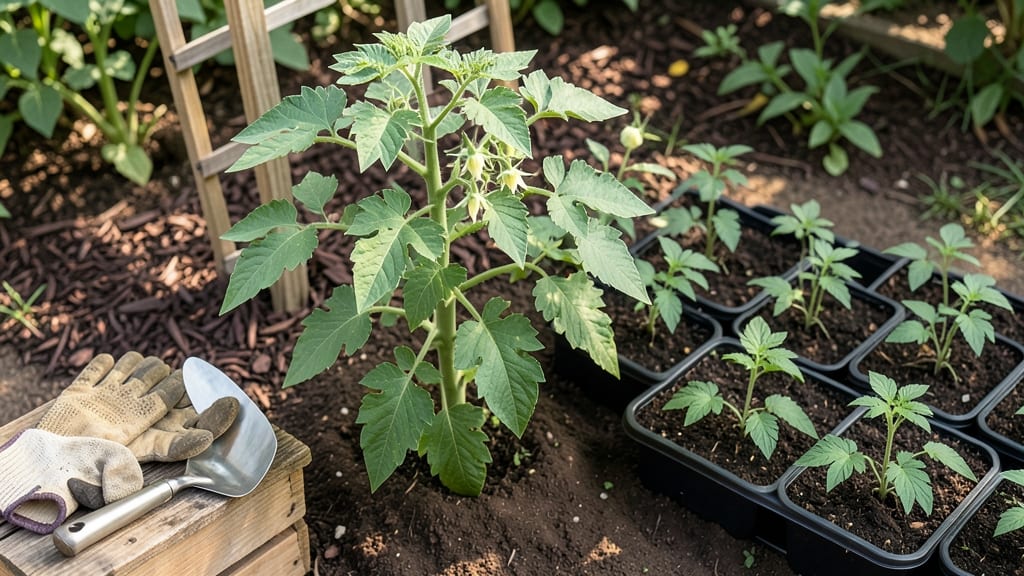
Tomato plants can be planted outside only after the last frost date when soil and air temperatures stay consistently above 50°F (10°C).
Timing is everything when planting tomatoes—get it wrong, and your crop could freeze before fruiting. But knowing your USDA zone and last frost dates turns guesswork into a foolproof planting schedule.
In Zone 6a, like many gardeners, you’ll typically wait until late April or early May, but colder zones need an extra two weeks. The key is soil warmth, not just air temperature—cold soil stunts roots and delays growth.
Below, I’ll break down exact planting windows by zone, how to harden off seedlings, and the one mistake that kills 90% of early-season tomatoes—so you can finally get those 🍅 vines fruiting on schedule.
USDA zone planting deadlines: when to move tomato plants outside
Timing your tomato transplant is critical—plant too early and frost will kill tender seedlings, but delay too long and your season shrinks. Tomatoes thrive when moved outdoors after soil temperatures hit 50°F (10°C) and nighttime lows stay above 50°F (10°C).
This guide breaks down USDA zone deadlines for early, mid, and late varieties, plus soil warmth requirements to maximize your harvest.
Your last frost date isn’t the only factor—soil temperature matters more. Tomatoes won’t grow roots below 55°F (13°C), so even if frost risk passes, cold soil stalls growth.
Use a soil thermometer to confirm readiness. Below, I’ve mapped out zone-specific planting windows for both determinate (bush) and indeterminate (vining) varieties, which have different heat tolerances.
In Zones 3-4, where frost lingers late, opt for early-maturing varieties like 'Stupice' or 'Glacier'.
These cold-tolerant types can handle brief chills and still produce fruit before summer’s end. Row covers or cold frames buy you extra weeks to transplant, but remove them once soil warms to 60°F (16°C) to prevent overheating.
For Zones 5-6, standard varieties like 'Better Boy' or 'Early Girl' shine when planted in mid-May. These zones benefit from hardening off seedlings for 7-10 days before transplanting—gradually expose them to outdoor conditions (wind, sun, and cooler nights) to toughen stems and leaves.
Skip this step, and seedlings may shock and wilt.
Zones 7-8 offer the longest growing seasons, but heat can stress tomatoes if planted too early. Aim for early April transplants in Zone 7 and mid-April in Zone 8. Use mulch (straw or black plastic) to stabilize soil temperatures and heat-tolerant varieties like 'Solar Fire' or 'Celebrity' to avoid blossom drop in peak summer.
In Zones 9-11, frost is rare, but soil temperature still dictates planting. Wait until soil hits 60°F (16°C)—even in winter. These zones allow for year-round planting, but succession planting every 2 weeks ensures a steady harvest.
Pair with dwarf varieties like 'Tiny Tim' to save space in containers.
Pro tip: Test your soil 2 weeks before planting. Bury a soil thermometer 2 inches deep for 3 days to confirm it’s warm enough. If it’s still cold, delay planting or use black plastic mulch to warm the soil faster. Rushing leads to stunted roots and poor yields.
Remember, microclimates matter. A south-facing wall or raised bed can add 1-2 weeks to your planting window. Use these tricks to extend your season in cooler zones or escape summer heat in hotter areas. With the right timing, you’ll go from seedling to salad in record time!
How to calculate your local last frost date for tomato planting
Planting tomatoes too early can be just as damaging as waiting too long. Frost-sensitive tomato plants need consistent warmth to thrive, so calculating your last frost date is critical.
This date marks the safest time to transplant seedlings outdoors, ensuring your plants avoid cold damage that stunts growth or kills them entirely.
While USDA zone maps provide a starting point, your exact last frost date depends on local microclimates, elevation, and historical weather patterns. For example, a valley might frost 2 weeks later than a hilltop just miles away.
Using tools like the Old Farmer’s Almanac or NOAA frost charts helps narrow it down—but you’ll still need to adjust for your garden’s unique conditions.
Once you’ve calculated your last frost date, add 1-2 weeks to account for hardening-off (acclimating seedlings to outdoor conditions). For example, if your last frost is May 10, transplant seedlings by May 24 to ensure they’re established before unpredictable late frosts.
Pro tip: Plant fast-maturing varieties (e.g., ‘Early Girl’) 1-2 weeks earlier in higher-risk zones (e.g., USDA Zone 4) to maximize your harvest window. Pair this with row covers for extra protection if needed.
Remember, tomatoes hate cold—even 50°F nights can stunt growth. By mastering your local frost date, you’ll avoid wasted seedlings and missed harvests, ensuring a bountiful summer crop. 🌱