
Plants
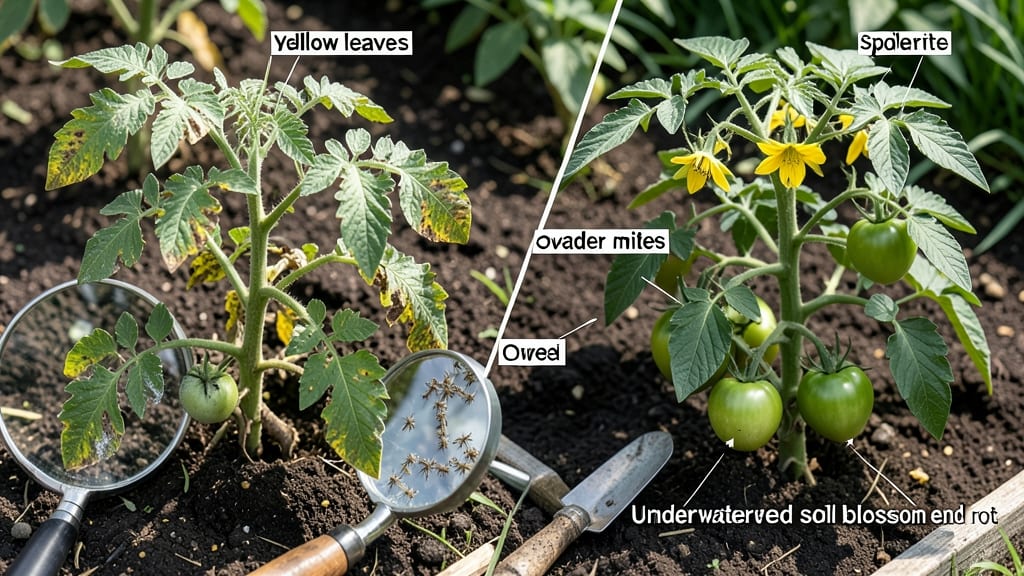
What’s wrong with my tomato plant? It’s crying out for help, and I’ve got the quick fixes. 🌱 Yellow leaves, wilted stems, or suspicious holes? Nine times out of ten, the problem is fixable with simple adjustments—no horticulture degree required.
I’ve spent years diagnosing these issues in my own garden, and I’m sharing the exact steps to get your plant back on track in days, not weeks.
Most tomato troubles boil down to three culprits: water woes (too much or too little), pest invasions (those sneaky hornworms or aphids), or nutrient gaps (soil that’s either too hungry or too tired). The good news?
Each has a fast solution—whether it’s adjusting your watering schedule, spraying neem oil, or adding a handful of compost. I’ll walk you through spotting the red flags (literally, in some cases) and what to do next.
By the end, you’ll know exactly how to revive your plant—whether it’s pruning back damaged leaves, swapping out soggy soil, or introducing beneficial insects to fight pests. The key is acting fast: tomato plants are resilient, but they won’t wait forever for you to figure it out.
Think of this as your emergency first aid kit for gardeners.
Pro tip: Snap a photo of the problem area before you start. Comparing it to the solutions below makes diagnosing (and fixing) a breeze. Let’s get your tomato plant back to producing those juicy, sun-ripened fruits in no time.
Root Causes Behind Plant Struggles
Tomato plants are resilient, but when they start showing signs of distress—whether it’s wilted leaves, spots, or stunted growth—it’s usually a sign that something fundamental is off. Understanding why these issues arise is the first step to fixing them.
Below, we break down the most common culprits, backed by science, so you can diagnose your plant’s problem like a pro.
Tomatoes thrive in warm, stable conditions but can quickly suffer when temperatures swing too high or too low.
- Heat Stress: When daytime temps exceed 90°F (32°C), tomato plants shut down their reproductive processes to conserve energy. This leads to blossom drop (flowers falling off before fruiting) and stunted growth. High heat also causes sunscald—brown, leathery patches on fruit exposed to direct sunlight.
- Cold Damage: Tomatoes are frost-sensitive. Even a light frost (32°F/0°C) can kill leaves, while temperatures below 50°F (10°C) at night slow growth and increase susceptibility to disease. Young plants are especially vulnerable.
- Wind Burn: Strong winds dry out leaves and fruit, leading to cracked or leathery skin and reduced yield. This is common in exposed garden beds or when plants aren’t properly staked.
💡 Pro Tip: Use row covers or shade cloth (30-50% coverage) during heatwaves, and mulch heavily to regulate soil temperature. For cold snaps, move potted tomatoes indoors or use cloche covers.
Water is the lifeblood of tomato plants, but imbalances cause major problems. Overwatering and underwatering both trigger stress responses that weaken the plant.
| Issue | Symptoms | Why It Happens |
|---|---|---|
| Underwatering |
|
Tomatoes have shallow roots and need 1-2 inches of water per week. Inconsistent watering causes cells to lose turgor pressure, leading to wilting. Fruit cracks when water is unevenly absorbed during rapid growth. |
| Overwatering |
|
Soggy soil cuts off oxygen to roots, leading to anaerobic conditions and Pythium or Phytophthora root rot. Tomatoes prefer well-draining soil—clay or compacted soil worsens the problem. |
💡 Pro Tip: Water deeply at the base (not overhead) in the morning to reduce evaporation. Use a moisture meter or the finger test—stick your finger 1-2 inches into the soil; if it’s dry, water again.
Tomatoes are heavy feeders and need a balanced diet of nitrogen (N), phosphorus (P), and potassium (K), plus micronutrients like calcium and magnesium. Too little or too much of any nutrient throws the plant off.
- Nitrogen Deficiency:
- Symptoms: Pale yellow leaves (chlorosis), stunted growth, weak stems.
- Why It Happens: Nitrogen is crucial for leafy growth. Deficiencies occur in poor soil or when over-fertilized with high-P/K mixes (like bone meal).
- Potassium Deficiency:
- Symptoms: Yellowing leaf edges (scorching), weak stems, poor fruit development.
- Why It Happens: Potassium regulates water and disease resistance. It leaches from soil quickly, especially in sandy soils or after heavy rain.
- Calcium Deficiency (Blossom End Rot):
- Symptoms: Dark, sunken spots on the blossom end of fruit (opposite the stem).
- Why It Happens: Calcium is immobile in plants—once absorbed, it can’t move to new growth. Issues arise from inconsistent watering, cool soil temps, or high nitrogen (which speeds growth but dilutes calcium uptake).
- Toxicity (e.g., Chlorosis from Iron or Manganese):
- Symptoms: Yellowing between leaf veins (interveinal chlorosis), especially in alkaline soil (pH > 7.0).
- Why It Happens: High pH locks out iron and manganese, even if they’re present. Tomatoes need pH 6.0–6.8 for optimal nutrient uptake.
💡 Pro Tip: Test your soil with a home kit or send a sample to a lab. For quick fixes, use Epsom salt (magnesium sulfate) for deficiencies or lime to adjust pH. For blossom end rot, apply calcium nitrate or side-dress with crushed eggshells.
Invisible invaders—pests and diseases—often go unnoticed until your tomato plant is already struggling. These culprits thrive in specific conditions and can spread rapidly.
- Fungal Diseases (Early Blight, Late Blight, Powdery Mildew):
- Symptoms:
- Early Blight: Concentric brown spots on lower leaves.
- Late Blight: Dark, greasy-looking spots on leaves and fruit (similar to Phytophthora).
- Powdery Mildew: White, powdery coating on leaves.
- Why It Happens: Fungi spread via spores, thriving in humid, warm (70–80°F/21–27°C), and wet conditions. Poor air circulation (crowded plants) and overhead watering create the perfect breeding ground.
- Symptoms:
- Bacterial Spot or Wilt:
- Symptoms:
- Small, water-soaked spots on leaves/fruit (bacterial spot).
- Sudden wilting, yellowing, and vascular discoloration (bacterial wilt).
<
- Symptoms:
Fix Your Tomato Plant Fast
Now that you’ve identified the issue plaguing your tomato plant, it’s time to roll up your sleeves and get it back on track! Below are practical, step-by-step solutions tailored to each problem, plus prevention tips to keep your plants thriving.
Whether it’s pests, disease, or environmental stress, these fixes will help your tomato plant bounce back—so you can enjoy juicy harvests sooner than you think.
---
Cause: Too much or too little water disrupts nutrient uptake, leading to weak, yellow leaves or crispy edges.
How to Fix It: 🔥 For Overwatering: - Stop watering immediately and let the top 1–2 inches of soil dry out before watering again. - Improve drainage by adding perlite or sand to heavy soil or repotting into a container with drainage holes. - Check your pots—if they lack drainage, upgrade them ASAP.
🍳 For Underwatering: - Water deeply until it runs out the drainage holes, then wait 1–2 inches before watering again. - Mulch the soil (2–3 inches of straw or shredded leaves) to retain moisture and regulate temperature. - Water in the morning to reduce evaporation and give roots time to absorb moisture.
Prevention Tips: ✨ Test soil moisture by sticking your finger 1–2 inches deep—water only if it’s dry. 💡 Use a moisture meter for accuracy, especially in pots. 🌡️ Adjust your schedule based on weather: water more in heatwaves, less in rain.
---
Cause: Aphids, spider mites, or hornworms suck sap or munch on leaves, stunting growth.
How to Fix It: 👨🍳 For Soft-Bodied Pests (Aphids, Whiteflies): - Spray with soapy water (1 tsp mild dish soap + 1 quart water) directly on bugs. Repeat every 3–4 days. - Introduce beneficial insects like ladybugs or lacewings—they love eating aphids! - Neem oil spray (1 tsp neem oil + 1 quart water + drop of dish soap) as a natural pesticide.
🥘 For Chewing Pests (Hornworms, Caterpillars): - Handpick them off (wear gloves!) and drop them in soapy water. - Use row covers to block egg-laying moths before they hatch. - Diatomaceous earth (food-grade) sprinkled around the base kills crawling pests without harming plants.
Prevention Tips: 🎯 Inspect plants weekly—catch pests early before they spread. 🔥 Remove fallen leaves/debris where pests hide. ✨ Rotate planting spots yearly to disrupt pest life cycles.
---
Cause: Powdery mildew (white fuzz) or early blight (black spots) thrive in humid, poorly ventilated conditions.
How to Fix It: 🔪 For Powdery Mildew: - Prune infected leaves and dispose of them in the trash (not compost). - Spray with baking soda mix (1 tsp baking soda + 1 quart water + drop of soap) weekly. - Improve airflow by spacing plants 18–24 inches apart and staking vines.
🍳 For Early Blight (Black Spots): - Remove and destroy all infected leaves and fruit. - Apply copper fungicide (follow label instructions) or a milk spray (1 part milk to 9 parts water) every 7–10 days. - Water at the base (not overhead) to keep leaves dry.
Prevention Tips: 🌡️ Water early in the day so leaves dry quickly. 💡 Space plants properly—crowding = fungal paradise. ✨ Rotate crops yearly to prevent soil-borne diseases.
---
Cause: Too much nitrogen, temperature swings, or poor pollination lead to "blossom drop."
How to Fix It: 🌡️ Stabilize Temperatures: - Avoid sudden cold snaps (below 55°F/13°C) or heatwaves (above 90°F/32°C). - Use row covers in early spring or shade cloth in summer if needed.
📊 Balance Fertilizer: - Switch to a low-nitrogen, high-phosphorus fertilizer (like 5-10-10) to encourage fruiting. - Stop fertilizing 4–6 weeks before harvest to avoid bitter fruit.
🐝 Boost Pollination: - Gently shake plants in the morning to help pollen spread. - Invite bees by planting pollinator-friendly flowers nearby (marigolds, basil).
Prevention Tips: 💡 Choose heat-tolerant varieties like ‘Solar Fire’ or ‘Heatmaster’ for hot climates. 🎯 Mulch heavily to regulate soil temperature. ✨ Hand-pollinate if your area lacks bees (use a small paintbrush to transfer pollen).
---
Cause: Weak stems or slow growth often mean low light or nutrient deficiencies.
How to Fix It: 🔥 For Light Deficiency: - Move plants to a sunnier spot (tomatoes need 6–8+ hours of direct sun). - Use grow lights (12–16 hours/day) if indoors or in shady climates. - Prune lower leaves to improve airflow and light penetration to the canopy.
🍳 For Nutrient Deficiencies: - Test soil with a DIY kit or send a sample to a lab for a full analysis. - Add compost or worm castings for a slow-release nutrient boost. - Use Epsom salt (1 tbsp per gallon of water) for magnesium deficiency (yellow leaves between veins).
Prevention Tips: 🌡️ Start seeds indoors 6–8 weeks before the last frost for a head start. 💡 Rotate crops to replenish soil nutrients. ✨ Fertilize regularly with a balanced tomato-specific feed (every 2–3 weeks).
--- Final Pro Tip: 🌟 Keep a plant journal! Note watering, fertilizing, and pest issues to spot patterns and adjust care next season. With these fixes, your tomato plant will be back to vigorous growth in no time—ready to reward you with a bountiful harvest! 🍅🔥
Frequently asked questions
Why are my tomato plant leaves turning yellow?
Yellowing leaves usually signal overwatering (especially if bottom leaves yellow first) or nutrient deficiencies (like nitrogen or magnesium). Check soil moisture—it should be damp but not soggy. For magnesium issues, try Epsom salt spray (1 tbsp per gallon of water), and for nitrogen, add compost or a balanced fertilizer.
What should I do if my tomato plant has brown spots on the leaves?
Brown spots often mean fungal disease (like early blight) or bacterial spot. Prune infected leaves immediately and dispose of them. For fungal issues, use a copper fungicide or baking soda spray (1 tsp baking soda + 1 quart water + drop of soap). Prevent future outbreaks by watering at the base and spacing plants for airflow.
My tomato plant is wilting—is it dead?
Not necessarily! Wilting can mean underwatering (especially if soil is dry) or overwatering (if soil is soggy). Stick your finger 1-2 inches deep—if dry, water deeply; if wet, stop watering and let soil dry. For heat stress, provide afternoon shade. Most tomato plants recover quickly with proper care.
How do I know if my tomato plant has pests?
Look for tiny holes (hornworms), sticky residue (aphids), or fine webbing (spider mites). Check undersides of leaves and stems. For soft pests, spray with soapy water; for chewers, handpick them or use neem oil. Introduce beneficial insects like ladybugs to naturally control pests.
Can I save a tomato plant with blossom end rot?
Yes! Blossom end rot (dark sunken spots on fruit) is caused by calcium deficiency from inconsistent watering. Improve soil with crushed eggshells or calcium nitrate, and water consistently. Remove severely damaged fruit, but healthy plants will produce new tomatoes. Mulch to regulate soil moisture and prevent future issues.