
Companion Plants
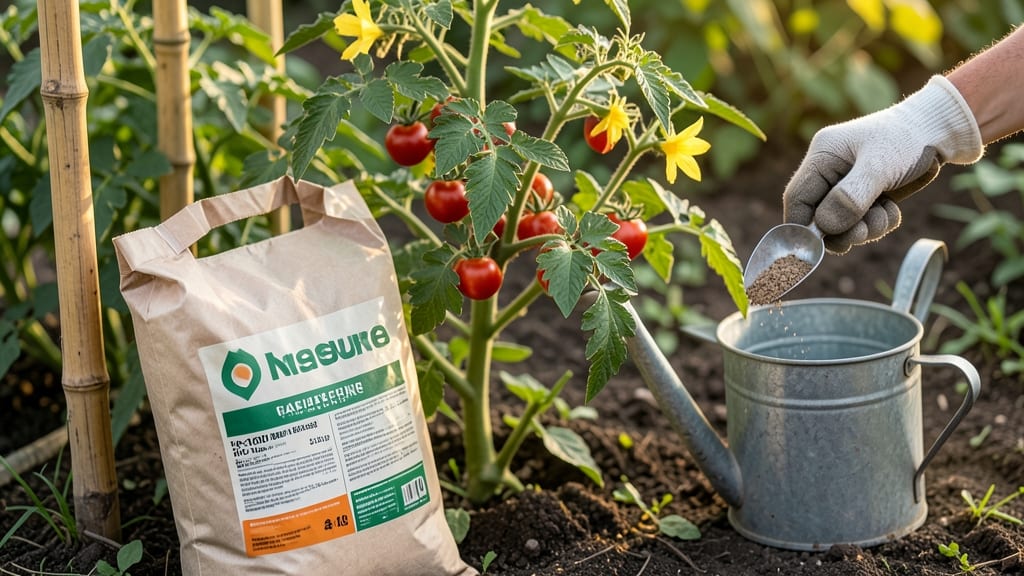
Tomato plants do like nitrogen but need it in balance—too much triggers excessive leafy growth while starving roots and fruit, often causing blossom end rot. A slow-release, organic source like compost works best for steady nutrition without overfeeding.
Nitrogen is essential for tomato plants because it powers leaf and vine development, but the catch is timing and balance. 🌱 Too much nitrogen early on sends energy into foliage instead of fruit production, while an excess during flowering can actually starve the plant of calcium, leading to that dreaded blossom end rot.
The key is feeding nitrogen in smaller, consistent doses—think of it like a slow drip rather than a flood. Organic options like composted manure or worm castings release nutrients gradually, giving your tomatoes what they need without overwhelming them.
Here's the science behind it: nitrogen helps create chlorophyll for photosynthesis, but when it's overapplied, the plant prioritizes growing leaves over developing fruit.
This imbalance also disrupts the plant's ability to absorb calcium, which is why you might see those telltale black spots on your tomatoes. 🌿 For best results, I recommend testing your soil first and supplementing with balanced organic fertilizers that include phosphorus and potassium to support both growth and fruiting.
💡 In This Article
- How Nitrogen Affects Tomato Growth and Fruit Production
- Best Nitrogen Sources for Tomato Plants (And When to Use Them)
How nitrogen affects tomato growth and fruit production
Nitrogen plays a critical role in tomato plant physiology by driving chlorophyll production, which is essential for photosynthesis—the process that converts sunlight into energy. When nitrogen levels are optimal, your tomato plants will develop lush green foliage and strong stems, creating the perfect foundation for fruit production.
However, the plant's growth priorities shift dramatically when nitrogen becomes excessive. 🌱 What happens is that the plant allocates most of its energy toward leaf and vine expansion rather than flower and fruit development, leading to what gardeners call "luxuriant growth"—basically, a plant that looks healthy but produces little fruit.
The real problem starts when excess nitrogen disrupts the plant's ability to absorb calcium. This is where blossom end rot enters the picture—a common tomato disease characterized by dark, sunken spots on the blossom end of fruits.
The mechanism is fascinating: nitrogen stimulates rapid cell division in leaves and stems, but this growth surge creates an imbalance in the plant's nutrient uptake system.
Calcium, which is transported through the plant's vascular system, gets "outcompeted" by nitrogen's dominance, leading to calcium deficiency in developing fruits. 🍅 This deficiency manifests as those unsightly black lesions, which can ruin an entire harvest if left unchecked.
To maintain balance, tomato plants need a well-rounded nutrient profile, particularly during their fruiting stage. The ideal nitrogen-to-phosphorus-potassium (NPK) ratio for tomatoes shifts depending on the growth phase.
Early in the season, a ratio like 3-1-2 (nitrogen-phosphorus-potassium) supports vigorous vegetative growth, while during flowering and fruiting, you'll want to reduce nitrogen slightly to around 1-1-2 or even 0.5-1-1.5. This adjustment helps redirect the plant's energy toward fruit development rather than excessive foliage.
Think of it like shifting gears in a car—you wouldn't use the same gear for both acceleration and cruising.
Another critical factor is the timing of nitrogen application. Early-season nitrogen boosts help establish strong plants, but overfeeding later in the season can lead to delayed fruit set or poor-quality tomatoes.
The plant's natural growth cycle includes a transition from vegetative growth to reproductive growth, and nitrogen must be managed accordingly. For example, a sudden spike in nitrogen during flowering can cause flower buds to drop rather than develop into fruit—a phenomenon known as "flower drop."
This is why many organic gardeners prefer slow-release nitrogen sources that provide steady nutrition without causing sudden surges.
You can observe these effects firsthand by comparing two tomato plants: one receiving balanced nutrition and another getting excessive nitrogen. The overfed plant will show vibrant green leaves but may have sparse, underdeveloped fruit clusters.
Meanwhile, the balanced plant will have slightly less foliage but a robust framework of flowers and setting fruit.
The difference is striking and serves as a clear reminder of how crucial nutrient balance is to tomato production. 🌿 The key takeaway is that nitrogen is a tool—use it wisely to support your tomatoes' growth without sabotaging their fruit production.
For those who enjoy hands-on gardening, soil testing is your best friend. A simple at-home soil test kit can reveal your soil's nitrogen levels and pH, allowing you to make informed decisions about fertilization. Most garden centers sell these kits for under $20, and they provide invaluable data.
If your soil tests high in nitrogen but low in calcium, you might need to supplement with gypsum or crushed eggshells to prevent blossom end rot. This proactive approach ensures your tomatoes get the right nutrients at the right time, leading to a bountiful harvest.