
Pests and Diseases
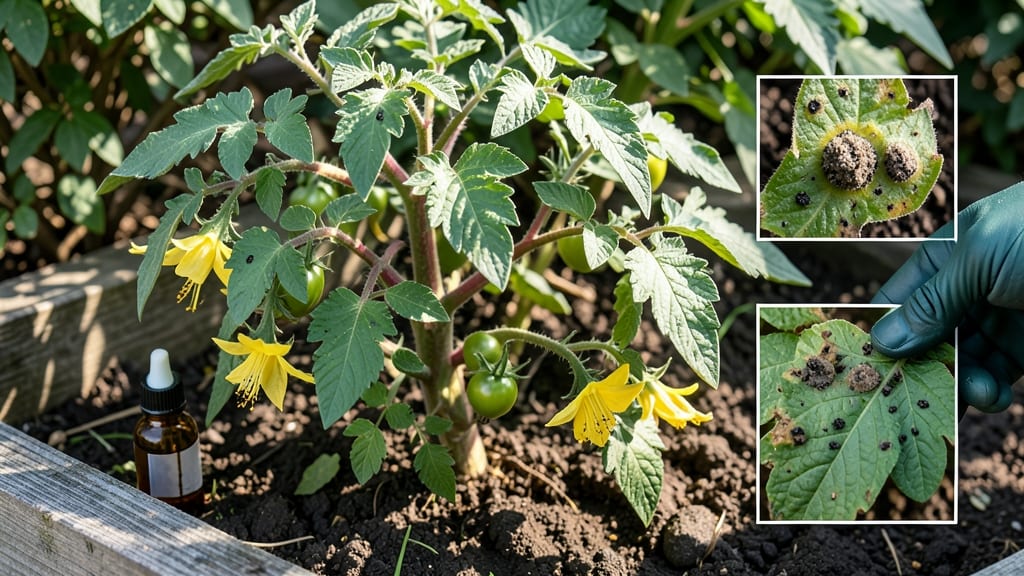
Those tiny small black spots on tomato leaves aren’t just unsightly—they’re a red flag for fungal blight that can cripple your harvest if ignored. 🌱 I’ve watched this disease turn lush green plants into skeletal remains within weeks, and the key to saving them lies in acting fast with the right identification and treatment.
First, confirm it’s fungal blight by checking the undersides of leaves for yellowing spots that match the black ones above, or concentric rings that look like bullseyes. Early blight often starts on lower leaves, while late blight spreads faster and covers stems too—this distinction changes your treatment approach entirely.
The good news? Most cases respond to organic fixes like copper sprays or neem oil when caught early.
You’ll see improvement within 3-5 days of consistent treatment if you prune infected leaves immediately and space plants for airflow. For stubborn cases, fungicides like chlorothalonil become necessary, but prevention—like rotating crops and removing debris—keeps blight from returning year after year.
This isn’t just about saving your plants; it’s about protecting your soil health and future harvests. The sooner you act, the more tomatoes you’ll enjoy—ripe, disease-free, and ready to pick straight from the vine.
Root Causes of Leaf Spots
Those pesky small black spots on tomato leaves aren’t just random blemishes—they’re often a cry for help from your plants. Understanding the underlying causes is the first step to saving your tomato harvest. Let’s break down the most common culprits, why they strike, and what triggers their attack.
Fungi are the #1 reason for black spots on tomato leaves, and they thrive in warm, damp conditions. Here’s how they hijack your plants: - **Early Blight (Alternaria solani)This fungus starts as tiny, dark brown or black spots with concentric rings (like a bullseye) on older leaves. It spreads via windborne spores and loves hot, humid weather. Overwatering or poor air circulation? You’re basically rolling out the welcome mat for Alternaria.
- Late Blight (Phytophthora infestans)A more aggressive cousin, late blight causes greasy-looking black spots that spread rapidly—even to fruits. It thrives in cool, wet conditions (55–75°F) and can devastate a garden in days. Unlike early blight, late blight attacks young leaves and stems first, making it a stealthy menace.
- Septoria Leaf Spot (Septoria lycopersici)These spots start small and dark but grow into larger lesions with tiny black specks (pycnidia) in the center. Septoria loves prolonged leaf wetness, so overhead watering or dense foliage gives it the perfect breeding ground.
💡 Pro Tip: Fungal spores overwinter in soil and plant debris, so rotating crops and cleaning up fallen leaves is non-negotiable!
Not all black spots are fungal—some are the handiwork of pests. Here’s how they leave their mark: - Spider MitesThese microscopic critters suck plant juices, causing stippling (tiny white/yellow dots) that can darken into blackened patches over time. They thrive in dry, hot conditions and multiply faster than you can say “webby nightmare.”
- Aphids or WhitefliesWhile they don’t directly create black spots, their honeydew excretion attracts sooty mold—a black, fuzzy fungus that coats leaves. Left unchecked, this weakens the plant and blocks sunlight.
🔍 Pest Patrol: Inspect the undersides of leaves for webs, eggs, or sticky residue. A strong blast of water or neem oil can disrupt their party.
Sometimes, the problem isn’t a pathogen—it’s the perfect storm of growing conditions: - Overwatering or Poor DrainageSoggy soil = fungal paradise. Waterlogged roots stress plants, making them susceptible to infections. Always check soil moisture—stick your finger in the dirt before watering!
- High Humidity + Stagnant AirTomatoes need airflow, but crowded plants or greenhouses trap moisture. Fungal spores hitchhike on water droplets, spreading faster in still air. Prune regularly and space plants 18–24 inches apart.
- Nutrient Deficiencies (Especially Magnesium or Potassium)**A lack of magnesium causes interveinal chlorosis (yellowing between veins), which can darken into necrotic spots. Potassium deficiency weakens cell walls, making leaves more vulnerable to disease. Test your soil and amend with Epsom salt (magnesium sulfate) or compost.
✨ Quick Fix: If spots appear after a heatwave or drought, mulch with straw to retain moisture and reduce temperature swings.
Now that you know the why, the next step is what to do. Stay tuned for actionable solutions to rescue your tomato plants—and keep those black spots from ruining your harvest!
Fixing Leaf Spots Fast
Once you’ve identified the culprit behind those pesky small black spots on tomato leaves, it’s time to act! The good news? Most issues respond well to early intervention.
Below, we’ve mapped out targeted fixes for each common cause, plus prevention tips to keep your tomatoes thriving. Roll up your sleeves—your garden’s about to get a fresh start!
---
Fungal infections love damp, warm conditions, so speed is key to stopping their spread. Here’s how to tackle them:
#### 🔥 Remove and Destroy Infected Foliage - Step 1: Snip off any leaves with black or brown spots (at least 6 inches below the damage) using sterilized pruners (wipe with rubbing alcohol between cuts). - Step 2: Do not compost infected plant material—bag it and toss it in the trash (or burn it if possible).
Fungal spores can survive in compost and reinfect your garden. - Pro Tip: 💡 If the disease is severe, consider removing the entire plant to prevent spread, especially with late blight (which can devastate tomatoes quickly).
#### 🍳 Apply Fungicidal Sprays (Organic or Chemical) - Organic Options: - Copper fungicide (e.g., Bonide Copper Fungicide): Spray every 7–10 days at dusk to avoid burning leaves.
Works on early blight and Septoria. - Neem oil spray: Mix 1 tbsp neem oil + 1 tsp mild soap + 1 quart water.
Spray weekly to prevent spore germination. Best used preventatively! - Baking soda spray: Combine 1 tbsp baking soda + 1 quart water + a few drops of soap.
Spray every 5–7 days for early blight. - Chemical Options: - Chlorothalonil (e.g., Daconil) or maneb: Follow label instructions for late blight (apply every 7–14 days). - Pro Tip: 🌡️ Timing matters! Spray early in the morning or evening to avoid leaf burn from UV exposure.
#### 👨🍳 Improve Airflow and Reduce Moisture - Prune plants to allow 3–4 inches of space between branches for better airflow. - Water at the base (not overhead) and avoid late watering (stop 2–3 hours before sunset). - Mulch with straw or grass clippings to keep soil moist but prevent splashing spores onto leaves.
#### 🥘 Prevent Future Outbreaks - Rotate crops: Don’t plant tomatoes (or nightshades like peppers/eggplants) in the same spot for 3 years. - Choose resistant varieties: Look for ‘Mountain Merit,’ ‘Defiant PhR,’ or ‘Bush Early Girl’ (resistant to early blight). - Solarize soil in fall: Cover beds with clear plastic for 4–6 weeks to kill fungal spores in the soil.
---
Tiny pests can weaken plants, making them more susceptible to fungal infections. Here’s how to evict them:
#### 🔪 Blast Off Pests with Natural Sprays - Soap spray: Mix 1 tbsp castile soap + 1 quart water. Spray directly on undersides of leaves (where pests hide).
Repeat every 3–5 days. - Insecticidal soap or neem oil: Follow label rates for aphids and whiteflies. - Horticultural oil: Use in early spring (before pests appear) to smother eggs.
#### 🕷️ Introduce Beneficial Predators - Ladybugs (eat aphids), lacewings (devour mites), or parasitic wasps (target whiteflies). Buy them online or attract them with dill, fennel, or marigolds. - Pro Tip: ✨ Plant companion flowers like nasturtiums or alyssum to lure pests away from tomatoes.
#### 🌿 Physical Barriers and Traps - Sticky traps: Hang yellow sticky cards near plants to catch flying pests like whiteflies. - Row covers: Use floating row covers early in the season to block pests before they arrive.
#### 🎯 Long-Term Pest Prevention - Inspect new plants before bringing them home (quarantine for 2 weeks if possible). - Remove weeds (they harbor pests) and clean up garden debris in fall. - Avoid over-fertilizing with nitrogen—it attracts soft-bodied pests like aphids.
---
If your tomatoes are wilting or developing blackened edges from heat, they need immediate relief:
#### 💦 Hydrate and Shade Smartly - Water deeply (1–2 inches per week) early in the day to prevent stress. - Use shade cloth (30–50%) if temps exceed 90°F (32°C) for extended periods. - Mulch heavily with straw or wood chips to retain moisture.
#### 🌱 Adjust Plant Care - Prune lower leaves to improve airflow and reduce heat buildup. - Avoid fertilizing during extreme heat—focus on water and shade first. - Harvest early if fruits are ripening too fast in heat (prevents sunscald).
#### 🌿 Choose Heat-Tolerant Varieties - ‘Heatmaster,’ ‘Solar Fire,’ or ‘Black Prince’ tomatoes thrive in high-heat conditions.
---
If your leaves look burnt or spotted from chemicals, act fast to flush out toxins:
#### 🚰 Flush the Soil - Water heavily for 2–3 days straight to dilute chemicals in the soil. - Add compost or worm castings to bind residual salts and improve soil health.
#### 🌱 Adjust Fertilizer Practices - Stop using synthetic fertilizers temporarily and switch to organic amendments (compost, fish emulsion, or seaweed kelp). - Test your soil (use a DIY kit or send to a lab) to avoid over-fertilizing in the future.
#### 🚫 Prevent Future Chemical Mishaps - Read labels carefully—some herbicides (like glyphosate) can drift and harm tomatoes. - Apply fertilizers in the morning to reduce leaf burn from heat. - Use slow-release organic fertilizers (like cottonseed meal) for steady nutrition.
--- Final Pro Tip: 🎯 Monitor your plants daily—catching issues early (like the first few black spots) means less work and faster recovery! With these fixes, your tomato plants will bounce back stronger than ever. 🍅💪
Frequently asked questions
Are small black spots on tomato leaves always caused by fungus?
Not always! While fungal diseases like early blight or Septoria are common culprits, pests like spider mites or sooty mold from aphids can also create dark spots. Check leaf undersides for webs (mites) or sticky residue (honeydew). If you see these signs, pests are likely the problem.
How quickly should I expect to see results from treatments?
With organic sprays like neem oil or copper fungicide, you may notice improvement in 3-5 days if caught early. For severe cases, chemical fungicides like chlorothalonil can show results in 7-10 days. The key is consistency—apply treatments every 7-14 days until new growth appears.
Can I still harvest tomatoes if the leaves have black spots?
Yes, but only if the spots are on lower leaves and haven't reached the fruits. Remove infected foliage first, then harvest any healthy tomatoes. If spots appear on stems or fruits, destroy those tomatoes immediately to prevent spread—fungal spores can contaminate the fruit.
Will removing infected leaves stop the problem completely?
Pruning alone won't eliminate fungal spores, but it dramatically slows spread. Combine removal with fungicidal sprays and improved airflow. The spores need moisture to germinate, so reducing humidity (by watering at soil level) and spacing plants properly gives your tomatoes their best chance.
How can I prevent black spots next growing season?
Start with crop rotation—don't plant tomatoes in the same spot for 3 years. Use resistant varieties like 'Mountain Merit', and apply preventative sprays (neem oil or copper) every 2 weeks during humid periods. Solarizing soil in fall also kills overwintering spores.