
Plants
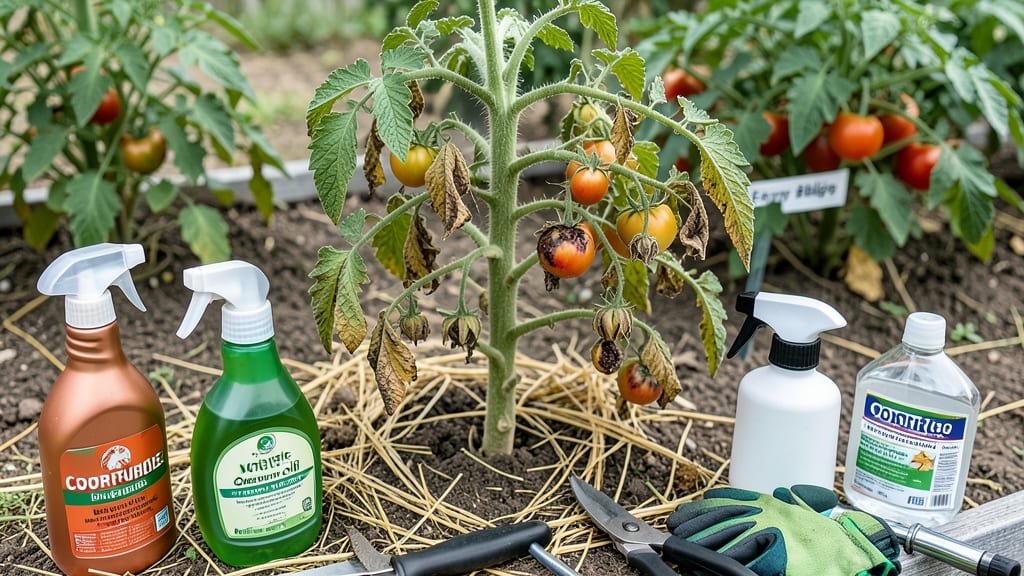
When treating diseased tomato plants strikes, fast action is your best shot at saving the harvest. 🌱 I’ve nursed back blight-ridden plants, wilted vines, and fungus-covered leaves—here’s exactly how to diagnose, prune, and spray them back to health before it’s too late.
The key is catching problems early: yellowing leaves, dark spots, or wilting stems mean immediate pruning to remove infected parts. For organic solutions, neem oil or baking soda spray stops fungal spread, while copper-based treatments tackle bacterial issues—just avoid overwatering, which fuels most diseases.
By the time you’re done, your plants will bounce back with stronger stems and healthier foliage. The secret? Consistency in monitoring and treating, plus removing diseased debris to prevent reinfection. This works for common blights, early/wilt, and even powdery mildew. Let’s get those tomatoes thriving again—fast.
Root Causes of Tomato Plant Diseases
Diseased tomato plants don’t just appear out of nowhere—they’re often the result of a mix of environmental stress, microbial invaders, and poor growing conditions. Understanding why your plants fall ill is the first step to preventing and treating them effectively.
Below, we break down the most common culprits, from fungal spores lurking in the soil to human habits that invite trouble.
---
Fungi are the sneakiest villains in the garden, thriving in moist, warm conditions and spreading faster than weeds. Here’s how they hijack your tomatoes:
- High Humidity & Poor Airflow Fungi like Phytophthora (which causes damping-off and root rot) and Fusarium love damp leaves and soil.
When air doesn’t circulate—thanks to overcrowded plants or thick foliage—spores splash onto leaves during watering or rain, creating the perfect breeding ground. - Actionable clue: Yellowing lower leaves that stay wet? That’s a red flag.
- Contaminated Soil or Tools Old compost, infested mulch, or even reused pots can harbor fungal spores. Even pruning shears can transfer diseases from plant to plant if not sanitized. - Pro tip: Sterilize tools with 70% rubbing alcohol or a 10% bleach solution between uses.
- Overwatering or Irregular Watering Tomatoes hate soggy feet. Overwatering weakens roots, making them susceptible to Pythium (another water-loving fungus), while underwatering stresses plants, leaving them vulnerable to opportunistic infections. - Science note: Fungi need free moisture to germinate—watering at the base (not overhead) cuts their access by 70%.
---
Bacteria are the speed demons of plant diseases—once they invade, they multiply in days. Here’s how they exploit your tomatoes:
- Wounds from Pruning or Hail Bacteria like Xanthomonas (causing bacterial spot) and Pseudomonas (leaf spot) sneak in through cuts.
Even a small nick from pruning or storm damage can be an open invitation. - Prevention hack: Use sharp, sterilized pruners and seal cuts with copper fungicide (which also repels bacteria).
- Splashing Water During Rain or Irrigation Bacteria hitch rides on water droplets, landing on leaves and stems. Unlike fungi, they don’t need humidity to survive—they just need a warm, wet surface to colonize. - Garden math: Overhead watering increases bacterial spread by 300% compared to drip irrigation.
- Crowded or Stressed Plants When tomatoes are nutrient-deficient or shaded, their natural defenses weaken. Bacteria see this as an all-you-can-eat buffet. - Fix it: Space plants 18–24 inches apart and ensure they get 6–8 hours of sunlight daily.
---
Viruses are the sneakiest invaders—they don’t spread on their own. Instead, they rely on insects (like aphids) or contaminated tools to jump from plant to plant. Once inside, they hijack the plant’s DNA, causing stunted growth, mosaic patterns, or yellowing leaves.
- Aphids and Other Pests These tiny sap-suckers inject viruses while feeding. A single infestation can turn a healthy tomato plant into a disease factory in weeks. - Early warning: Sticky residue (honeydew) on leaves = aphids are partying.
- Infected Seedlings or Grafts Buying contaminated seeds or using infected rootstock for grafting is like rolling out the welcome mat for viruses. No cure exists—prevention is everything. - Smart shopper tip: Buy seeds from reputable suppliers and avoid "too good to be true" deals.
- Poor Sanitation in the Garden Viruses can survive on old plant debris, tools, or even your hands.
If you move from an infected plant to a healthy one without cleaning up, you’re basically playing viral roulette. - Cleanup protocol: Remove all infected plants (don’t compost them!) and disinfect tools with bleach or alcohol.
---
Even without pathogens, tomatoes can invite disease when their environment is off. Think of it like a person getting sick after skipping sleep and eating junk food—stress makes them vulnerable.
- Extreme Temperature Swings Tomatoes thrive in 60–85°F ranges. Frost damage or heat stress (above 90°F) weakens cell walls, making them easier targets for diseases. - Heat hack: Use shade cloth during peak summer and row covers for early spring planting.
- Poor Drainage or Compacted Soil Waterlogged roots suffocate plants, while compacted soil restricts nutrient uptake.
Both scenarios make tomatoes more susceptible to root rot and blights. - Soil test: Stick a finger in the dirt—if it’s hard to push past 2 inches, it’s time to add compost or sand.
- Nutrient Imbalances Too much nitrogen (lush leaves, weak stems) or deficient phosphorus (poor root health) create weak spots that diseases exploit. - Fix it: Use a balanced fertilizer (10-10-10) and mulch with compost for steady nutrients.
--- Let’s be real—sometimes, we’re the problem. Common gardening mistakes create the perfect storm for diseases:
- Ignoring Early Signs Yellow leaves? Black spots? Waiting too long to act lets diseases spread uncontrollably. - Rule of thumb: If you see one suspicious leaf, isolate the plant immediately.
- Reusing Contaminated Mulch or Compost Old mulch or homemade compost can be a disease time bomb.
If it came from last year’s garden (especially if plants were sick), it might still harbor pathogens. - Safe swap: Use sterilized straw mulch or fresh, aged compost (heated to 140°F for 3 days).
- Planting Too Close Together Overcrowding traps moisture, blocks sunlight, and slows airflow—the trifecta for fungal growth. - Spacing guide: - Determinate tomatoes: 18–24 inches apart - Indeterminate tomatoes: 24–36 inches apart
--- Some pests don’t just damage plants—they create entry points for diseases. Here’s how:
- Aphids, Whiteflies, and Spider Mites These sap-suckers weaken plants and spread viruses like tobacco mosaic virus (TMV). Their sticky honeydew also attracts sooty mold, a secondary fungal infection. - Pest control: Blast them off with soapy water or introduce ladybugs (natural predators).
- Slugs and Snails Their slime trails leave behind bacterial films that can infect wounds. Plus, they munch on young leaves, stressing the plant. - Barrier trick: Surround plants with crushed eggshells or copper tape.
- Cutworms and Wireworms These underground chewers sever roots, making plants more prone to root rot. A single bite can be fatal for seedlings. - Night patrol: Check for chewed stems at soil level—if you see them, handpick or use diatomaceous earth.
Quick Fixes for Sick Tomatoes
Reviving diseased tomato plants starts with identifying the root cause—whether it’s fungal infections, bacterial attacks, pest invasions, or environmental stress. Below are practical, step-by-step solutions tailored to the most common issues, along with prevention tips to keep your plants thriving.
Act fast, but stay calm: many problems can be reversed with the right care!
---
Fungi like early blight, late blight, powdery mildew, and root rot thrive in damp conditions. Here’s how to stop the spread and restore health:
#### 🔥 Remove Infected Foliage Immediately - How to do it: Snip off yellowing, spotted, or moldy leaves with sterilized pruners (wipe with rubbing alcohol between cuts).
Dispose of debris in a sealed trash bag—do not compost it! - Why it works: Fungi spread via spores, and removing infected parts cuts off their food source.
#### 🍳 Apply Fungicidal Sprays (Organic or Chemical) | Disease | Recommended Treatment | Frequency | |-------------------|----------------------------------------------------|-----------------------------| | Early/Late Blight | Copper fungicide (e.g., Bordeaux mixture) or neem oil spray | Every 7–10 days until new growth appears | | Powdery Mildew | Baking soda spray (1 tsp baking soda + 1 quart water + a drop of dish soap) or sulfur spray | Weekly until cured | | Root Rot | Hydrogen peroxide (3%) soil drench (1 tbsp per gallon of water) + reduce watering | Once, then monitor soil moisture |
- Pro tip: Spray early in the morning so leaves dry quickly—fungi love moisture!
#### 🌡️ Adjust Growing Conditions - Improve airflow: Prune crowded branches (aim for open, airy plants) and space plants 18–24 inches apart. - Water at the base: Avoid wetting leaves (use drip irrigation or a soaker hose).
Water early in the day so foliage dries by night. - Sanitize tools: Always clean pruners and pots with 10% bleach solution (1 part bleach to 9 parts water) to prevent cross-contamination.
#### 💡 Prevention for Next Season - Rotate crops: Don’t plant tomatoes (or nightshades like peppers/eggplants) in the same spot for 3–4 years. - Solarize soil: Cover beds with clear plastic for 4–6 weeks in hot sun to kill fungal spores. - Resistant varieties: Choose blight-resistant hybrids like ‘Mountain Merit’ or ‘Defiant PhR.’
---
Bacteria (e.g., Xanthomonas for bacterial spot, Ralstonia for bacterial wilt) are trickier to treat but not hopeless. Focus on containment and support:
#### 👨🍳 Prune Strategically - For bacterial spot/wilt: Remove only the most severely infected leaves (brown, crispy, or oozing). Do not compost—burn or trash them. - For bacterial canker: Cut out cankers (sunken, oozing wounds) down to healthy tissue, then sterilize the wound with copper fungicide.
#### 🥘 Boost Plant Immunity - Fertilize lightly: Overfeeding weakens plants. Use a balanced organic fertilizer (e.g., 5-5-5) or compost tea to strengthen roots. - Beneficial microbes: Apply mycorrhizal fungi or Bacillus subtilis (a soil bacterium that outcompetes pathogens).
#### ⏰ Isolate Affected Plants - Quarantine: Move sick plants at least 10 feet away from healthy ones to prevent spread. - Disinfect everything: Wash hands, tools, and containers with soapy water + bleach.
#### 🎯 Prevention Tips - Avoid overhead watering: Use drip systems to keep leaves dry. - Rotate crops and solarize soil (as above). - Choose resistant varieties: ‘Celebrity’ and ‘Bush Early Girl’ tolerate bacterial wilt better.
--- Pests weaken plants, making them vulnerable to secondary infections. Act fast with these low-toxicity solutions:
#### 🔪 Manual Removal (Best for Hornworms & Large Pests) - Handpick hornworms: Look for green caterpillars with white stripes (they’re camouflaged!). Drop them in soapy water. - Shake off aphids: Hold plants over a bucket of soapy water and firmly shake to dislodge clusters.
#### 🍳 Natural Sprays | Pest | Treatment | How to Apply | |-------------------|----------------------------------------------------|-------------------------------------------| | Aphids/Whiteflies | Neem oil spray (2 tsp neem oil + 1 tsp soap + 1 quart water) | Spray directly on pests, repeat every 5–7 days | | Spider Mites | Water spray (forceful jet to knock them off) + kaolin clay (1 tbsp clay + 1 gallon water) | Apply in early morning, avoid direct sun | | Hornworms | Bacillus thuringiensis (Bt) spray | Spray on leaves when caterpillars are small |
#### 🌡️ Encourage Predators - Ladybugs, lacewings, and parasitic wasps eat aphids and whiteflies. Attract them with: - Dill, fennel, or marigolds planted nearby. - A shallow dish of water + a drop of honey (for beneficial insects).
#### 💡 Prevention - Row covers: Use floating row covers early in the season to block pests. - Interplant with herbs: Basil, thyme, and oregano repel many tomato pests. - Inspect regularly: Check undersides of leaves daily for early signs.
--- Sometimes, "disease" symptoms are actually stress-related. Fix the underlying issue:
#### 🔥 Heat Stress (Yellowing, Wilting) - Shade cloth: Install 30–50% shade cloth if temps exceed 90°F (32°C). - Mulch heavily: Use straw or wood chips to keep roots cool and moist. - Water deeply: Drip irrigation at dawn prevents leaf scorch.
#### ❄️ Cold Stress (Blackened Leaves, Stunted Growth) - Row covers: Use lightweight fabric to protect from frost or light freezes. - Black plastic mulch: Warms soil faster in spring. - Avoid watering before cold snaps: Wet leaves freeze and damage tissue.
#### 📊 Nutrient Deficiencies (Pale Leaves, Weak Stems) | Symptom | Likely Cause | Fix It | |---------------------------|------------------------|-------------------------------------------------| | Yellow lower leaves | Nitrogen deficiency | Side-dress with compost or fish emulsion | | Purple stems/leaves | Phosphorus deficiency | Apply bone meal or rock phosphate | | Weak, spindly growth | Potassium deficiency | Use wood ash or kelp meal | | Yellow between veins | Magnesium deficiency | Spray with Epsom salt solution (1 tbsp/gallon) |
--- If your tomato plant is beyond saving (e.g., severe bacterial wilt, root rot with blackened stems), remove it immediately to protect others. Do not compost—bag and trash the plant!
--- 🌟 Final Pro Tip: Keep a plant journal! Note what worked (and what didn’t) each season. Over time, you’ll spot problems earlier and prevent them entirely.
--- Next up: [Link to next section placeholder] Learn how to prune diseased tomatoes without harming recovery—and when to stop pruning altogether!
Frequently asked questions
How do I tell if my tomato plant has a fungal disease vs. bacterial infection?
Check the symptoms: fungal diseases (like blight) show soft, water-soaked spots that spread quickly, while bacterial infections (like spot) create crispy, brown edges with yellow halos. Fungal spots often have fuzzy or powdery growth, while bacterial spots may ooze when wet.
Can I still save a tomato plant with bacterial wilt?
Unfortunately, bacterial wilt has no cure—once symptoms appear (wilting despite moist soil, yellowing leaves), the plant is usually doomed. Remove it immediately to prevent spread to healthy plants. For future seasons, choose resistant varieties like 'Celebrity' and avoid overhead watering.
How often should I spray neem oil on my tomato plants?
Apply neem oil every 7-10 days during active growth (spring to early fall) to prevent fungal/bacterial diseases. Mix 1 teaspoon neem oil + 1 teaspoon mild soap per quart of water. Always spray early in the morning so leaves dry quickly—fungi love moisture!
What’s the fastest way to stop powdery mildew?
Use a baking soda spray (1 tsp baking soda + 1 quart water + 1 drop dish soap) applied weekly until cured. Improve airflow by pruning crowded branches and watering only at the base. For severe cases, add sulfur spray every 5-7 days.
Can I compost tomato leaves with fungal diseases?
Never compost diseased plant material—fungal spores survive and reinfect your garden. Bag infected leaves in a sealed trash bag and dispose of them in yard waste. Always sterilize tools with 10% bleach solution after pruning sick plants.