
Companion Plants
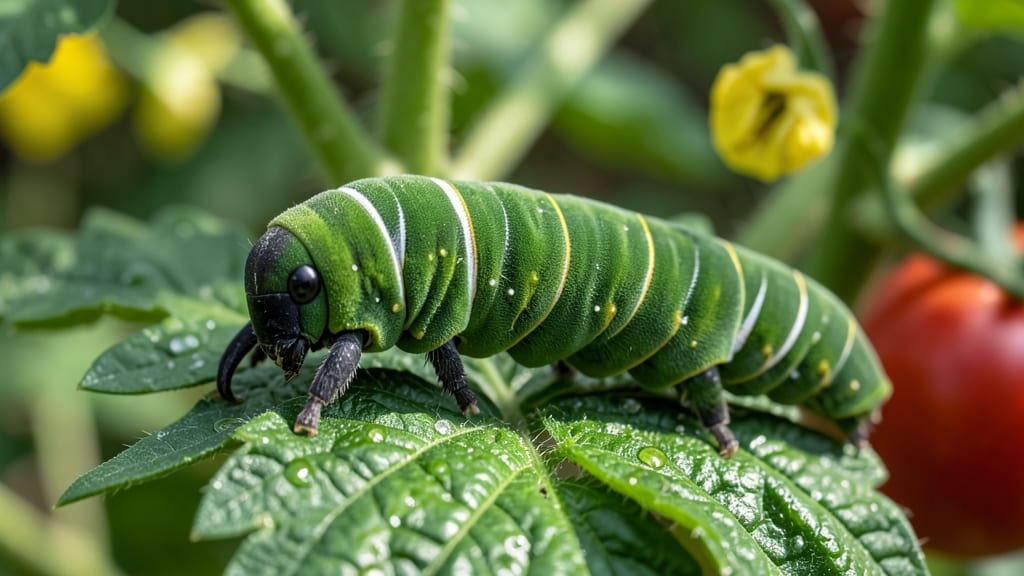
What to put on tomato plants for bugs isn’t about harsh chemicals—it’s about choosing the right neighbors. 🌱 I’ve watched my own tomatoes go from skeletonized leaves to thriving vines by adding these 9 pest-repelling companions, and the best part? No sprays or toxins involved. The secret lies in nature’s built-in defense system: certain plants confuse pests, mask tomato scents, or even lure bugs away. Basil, for instance, deters whiteflies while improving flavor—win-win. Marigolds release a scent that repels nematodes, and nasturtiums distract aphids with their bright blooms. Even herbs like dill and cilantro keep hornworms at bay. You’ll see fewer holes in leaves, stronger growth, and a garden that works with nature instead of against it. The setup takes less than 30 minutes and requires zero special tools—just strategic planting. Works for backyard gardens, containers, or even small urban plots. Let’s turn your tomato patch into a pest-free paradise!
Root Causes of Tomato Plant Pests
Tomato plants are a magnet for pests—not because they’re weak, but because they’re delicious to insects, mites, and other garden critters. Understanding why bugs target your tomatoes is the first step to outsmarting them. Below, we break down the science behind the most common culprits and their motivations.
Tomatoes emit volatile organic compounds (VOCs) when they ripen, signaling to fruit flies and other pests that they’re ready for the taking.
But here’s the kicker: - Ethylene gas (released as tomatoes mature) attracts hornworms, aphids, and fruit flies like a dinner bell. - Physical damage (from hail, birds, or poor harvesting) creates entry points for bacterial wilt and blossom-end rot, which then attract maggots and beetles. - Solution Insight: Harvest overripe tomatoes promptly and remove fallen fruit to break the scent trail.
Pests thrive when tomato plants are stressed or malnourished.
Common nutrient deficiencies trigger pest invasions: - Nitrogen deficiency (yellow leaves) weakens plants, making them vulnerable to aphids and spider mites, which feed on sap. - Potassium deficiency (brown leaf edges) reduces disease resistance, inviting whiteflies and nematodes. - Over-fertilization with phosphorus (purple stems) can attract cutworms and slugs, which seek soft, nutrient-rich growth. - Actionable Fix: Conduct a soil test and amend with balanced compost (5-5-5 NPK ratio) to deter pests naturally.
Watering habits directly impact pest populations. Here’s how: - Overwatering creates soggy soil, perfect for slugs, snails, and fungal gnats.
It also delays drying, prolonging early blight (a magnet for stink bugs). - Underwatering stresses plants, making them produce sticky honeydew—a buffet for ants and sooty mold. - Splashing water on leaves spreads tomato hornworm eggs and early blight spores via wind or tools. - Pro Tip: Water deeply at the base (1–2 inches per week) and mulch with straw to retain moisture without inviting pests.
Tomatoes left alone in a garden are like a five-star restaurant with no health inspectors—pests move in freely.
The absence of beneficial insects (like ladybugs, lacewings, and parasitic wasps) tips the balance: - Monoculture gardens (rows of only tomatoes) starve predatory insects, allowing aphids and whiteflies to explode. - Pesticide use (even organic sprays) can kill beneficial bugs faster than pests, creating a vacuum effect. - Solution: Plant companion flowers (like marigolds or alyssum) to attract pollinators and predators.
Avoid broad-spectrum sprays—handpick pests instead.
Stagnant air = pest paradise.
When tomato plants are crowded or pruned incorrectly: - Humidity builds up, fostering powdery mildew (loved by spider mites) and early blight (a snack for stink bugs). - Pruning too aggressively removes shade leaves, increasing sun exposure and heat stress, which weakens plants. - Fix It: Space plants 18–24 inches apart, prune suckers and lower leaves for airflow, and train vines vertically to reduce humidity at ground level.
Some plants repel pests, while others attract them—sometimes even your tomatoes’ neighbors are the problem:
- Weeds like nightshade (a tomato relative) harbor hornworms and Colorado potato beetles, which then migrate to your crop.
- Corn or beans nearby can bring corn earworms or bean beetles, which also feast on tomatoes.
- Solution: Remove competing nightshades (like wild tomatoes) and interplant with basil or garlic to mask tomato scents.
Pests don’t attack randomly—they follow biological clocks:
- Early season: Flea beetles and cutworms target young seedlings (they’re soft and tender).
- Mid-season: Aphids and whiteflies boom when days are warm and nights are humid.
- Late season: Hornworms and stink bugs peak as tomatoes ripen.
- Strategy: Monitor weekly and use row covers in early spring to block flying pests.
Key Takeaway: Pests exploit weakness—whether it’s nutrient gaps, moisture mismanagement, or a lack of predators. The good news? Fixing one issue often solves multiple pest problems. Next, we’ll cover 9 natural companions to turn your tomato patch into a pest-free fortress. 🚀
Natural Remedies for Tomato Bug Woes
When those pesky critters start munching on your tomato plants, it’s time to act fast—but not with harsh chemicals! The good news? Nature’s got your back with safe, effective, and often free solutions.
Below, we’ll tackle the most common tomato plant pests and match them with practical fixes—plus tips to keep bugs away for good.
**🔥 Cause: These striped caterpillars can strip a plant bare overnight. They’re sneaky and blend into foliage, making them hard to spot until it’s too late.
🍳 Fix It:
- Handpick them (yes, really!). Wear gloves and drop them into soapy water—it’s gross but effective. Check leaves daily, especially in the morning.
- Encourage their predators: Ladybugs, lacewings, and parasitic wasps love hornworms. Plant dill, fennel, or marigolds nearby to attract them.
- Neem oil spray: Mix 1 tbsp neem oil + 1 tsp mild soap in 1 quart of water. Spray leaves thoroughly (avoid flowers to protect pollinators). Reapply every 5–7 days.
💡 Prevention Tip: Plant basil or thyme near tomatoes—hornworms avoid these scents!
🔥 Cause: Clusters of green, black, or white aphids drain plant sap, leaving sticky residue (honeydew) that attracts mold and other pests.
👨🍳 Fix It:
- Blast them off with a strong stream of water from a hose. Do this in the morning so leaves dry quickly.
- Soap spray: Mix 2 tbsp castile soap + 1 quart water in a spray bottle. Test on a small leaf first—aphids hate it!
- Introduce ladybugs: Buy them online or attract them with companion plants like cosmos or nasturtiums. One ladybug can eat 5,000 aphids in a lifetime!
🌡️ Prevention Tip: Plant garlic or chives nearby—their strong scent repels aphids.
🔥 Cause: These microscopic pests thrive in dry heat, sucking juices and causing yellowing leaves. You’ll spot their fine webbing first.
🥘 Fix It:
- Increase humidity: Spider mites hate moisture. Mist plants daily or use a pebble tray under pots to boost humidity.
- Neem oil or insecticidal soap: Spray undersides of leaves where mites hide. Repeat every 3–4 days until gone.
- Horticultural oil: For severe infestations, apply oil in the evening (it smothers mites). Avoid flowering plants to protect bees.
✨ Prevention Tip: Mulch around plants to retain soil moisture—dry conditions = mite paradise.
🔥 Cause: Tiny white moth-like insects that swarm when disturbed. They weaken plants and leave sticky honeydew.
🔪 Fix It:
- Yellow sticky traps: Hang them near plants to catch adults. Replace every 2 weeks.
- Spray with water + dish soap: Fill a spray bottle with water + 1 tsp dish soap. Shake well and spray directly on flies (they’ll drop off).
- Kaolin clay: Mix with water and spray on leaves. It creates a barrier they can’t cross—also works on squash bugs!
🎯 Prevention Tip: Plant basil or lemon balm nearby—their scent confuses whiteflies.
🔥 Cause: These orange-and-black beetles (and their yellow larvae) chew holes in leaves, often defoliating plants entirely.
⏰ Fix It:
- Handpick adults and larvae: Drop them into soapy water. Check undersides of leaves daily.
- Diatomaceous earth (DE): Sprinkle food-grade DE around the base of plants. It’s harmless to you but kills beetles by dehydrating them.
- Row covers: Use lightweight fabric to block adults from laying eggs. Remove when flowers appear to allow pollination.
💡 Prevention Tip: Interplant tomatoes with radishes or beans—beetles avoid these crops.
🔥 Cause: Tiny black flies that hover near soil. Their larvae munch on roots, stunting plant growth.
🍳 Fix It:
- Let soil dry slightly between waterings. Gnats love moist soil.
- Yellow sticky traps: Bury them at soil level to catch adults.
- Beneficial nematodes: Water plants with microscopic nematodes (sold online). They seek out and kill gnat larvae naturally.
🌡️ *Prevention Tip:*** Add a layer of cinnamon or coffee grounds to soil—gnats hate the smell!
Why wait for pests to arrive? Set up your tomato patch to deter bugs before they show up:
- Rotate crops yearly to disrupt pest life cycles.
- Use companion planting (see our top 9 picks in the intro!).
- Keep the garden clean: Remove fallen leaves/debris where pests hide.
- Water in the morning so foliage dries quickly (fungus + pests love dampness).
- Encourage wildlife: Birds, toads, and ground beetles eat pests. Add a birdbath or native plants to attract them.
With these natural, no-fuss fixes, your tomato plants will thrive—and those bugs won’t stand a chance! 🍅💪
Frequently asked questions
Can I use garlic spray on tomato plants to repel bugs?
Yes! Crush 2-3 garlic cloves and steep them in 1 quart of water overnight, then strain and mix with 1 teaspoon mild soap. Spray on leaves (avoid flowers) every 5-7 days. The strong scent confuses pests like aphids and whiteflies while being safe for edible plants.
How often should I apply neem oil to tomato plants?
Apply neem oil every 5-7 days during active pest seasons (spring-fall). Mix 1 tablespoon neem oil + 1 teaspoon mild soap in 1 quart water, shake well, and spray thoroughly on both leaf surfaces. Stop applying 2 weeks before harvest to avoid any residue.
Will companion planting really keep bugs away from my tomatoes?
Plants like basil, marigolds, and nasturtiums create a natural barrier by masking tomato scents and attracting beneficial predators. For example, marigolds release a chemical that repels nematodes, while basil deters whiteflies. Place companions within 1-2 feet of tomato plants for best results.
What's the best time of day to apply natural pest sprays?
Apply sprays in the early morning (before 9 AM) or late evening (after 6 PM) to avoid harming bees and other pollinators. The cooler temperatures also help sprays adhere better to leaves. Always test a small area first to check for sensitivity.
Can I use coffee grounds around tomato plants?
Yes! Sprinkle used coffee grounds around the base of plants to repel slugs, snails, and fungal gnats. The caffeine acts as a natural pesticide while also improving soil quality. Use 1/2 cup per plant every 2 weeks, keeping it 2 inches away from stems to prevent mold.