
Vegetables
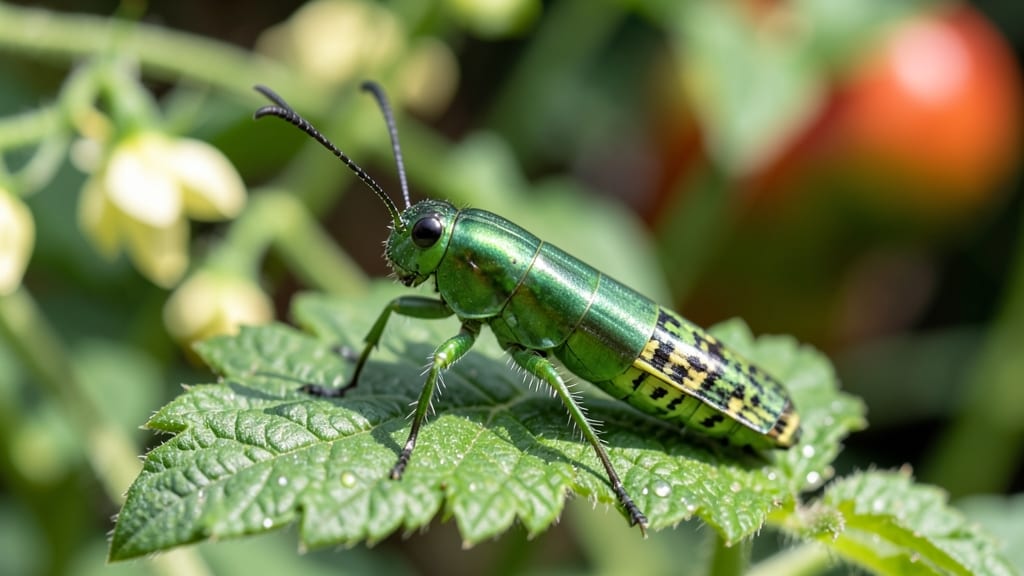
Those green caterpillars with white stripes and horn-like protrusions—the tomato hornworm butterfly’s destructive larvae—are nature’s most aggressive tomato plant devourers. 🌱 I’ve watched them turn a thriving plant into skeleton leaves in just 24 hours, and I’m here to show you how to stop them before they strike.
The good news? These caterpillars grow into beautiful sphinx moths with edible blooms, but that doesn’t help your tomatoes. Handpicking is the fastest solution—just drop them into soapy water—but it’s a race against time.
For long-term control, attract parasitic wasps (they’re harmless to humans) and braconid wasps, which naturally regulate hornworm populations.
You’ll spot the damage first: chewed leaves with white frass (poop) everywhere. Act fast, and you’ll save your plants. Even a few hornworms can wipe out a season’s work, but with these tricks, you’ll keep your tomatoes lush and your garden thriving.
Works for backyard gardens, containers, and even small urban plots. Let’s protect those plants before the hornworms win!
📚 In This Guide
- What you need
- Instructions
- Tips and common mistakes
- Wrapping up and next steps
What you need
- ● Tomato plants (organic, pesticide-free): 3–5 healthy plants (cherry or heirloom varieties work best).
- ● Native milkweed (Asclepias spp.): 1–2 plants (essential for caterpillar food and butterfly nectar).
- ● Passionflower vines (Passiflora spp.): 1–2 plants (host plant for hornworm caterpillars).
- ○ Small mesh butterfly enclosure (optional but helpful): 1–2 (18"x18"x24" size) for observing metamorphosis.
- ● Organic fertilizer (balanced, 10-10-10): 1 bag (for enriching soil).
- ● Watering can or hose with gentle spray nozzle: 1 (for hydration without damaging plants).
- ● Pruning shears: 1 pair (for trimming plants and encouraging new growth).
- ● Butterfly-friendly flowers: 2–3 pots of nectar-rich blooms (e.g., bee balm, coneflowers, or lantana).
- ● Pebble tray or shallow dish: 1 (for collecting rainwater to attract butterflies).
- ● Camera or smartphone: 1 (to capture the magical life cycle!).
- ● Egg carton or small container: 1 (for safely relocating caterpillars if needed).
- ● Natural pest deterrents: Diatomaceous earth or neem oil (small amounts for occasional use).
How to attract tomato hornworm butterflies for natural pest control
Turn your tomato patch into a predator-friendly ecosystem—here's how to lure these striped hunters naturally.
🌿 Step 1: Plant Host Flowers for Adult Butterflies
Tomato hornworm butterflies (Manduca sexta) rely on specific plants for nectar. Include dill, fennel, parsley, and milkweed in your garden—these are their favorite adult feeding stations. I plant dill and parsley right next to my tomato plants so the butterflies don't have to travel far once they emerge. The strong fragrance of these herbs acts like a beacon, drawing them directly to your tomato patch.
Space these flowers 12-18 inches apart in well-draining soil. They thrive in full sun but tolerate partial shade. Start with 4-6 plants per tomato plant to ensure continuous nectar supply. The more flowers you plant, the faster the butterflies will find you. Watch for the first adults in late spring—you'll spot them hovering near the umbel-shaped blooms.
🌱 Step 2: Create Sheltered Laying Sites
Female hornworms lay eggs on tomato leaves, but they prefer plants with hairy stems or rough surfaces for camouflage. Plant white sweet clover, evening primrose, or tobacco plants near your tomatoes—these act as decoy hosts. I always include a few tobacco plants because their sticky leaves deter some pests while still attracting the hornworms.
Check these decoy plants every 2-3 days for tiny green eggs laid in clusters. Remove any eggs you find from your tomato plants immediately, but leave them on the decoy plants. The larvae will hatch there, giving you a head start on natural pest control. If you see eggs on tomatoes, gently scrape them off with your fingernail into soapy water.
☀️ Step 3: Provide Water Sources for Adults
Adult hornworm butterflies need shallow water sources to stay hydrated. Place a birdbath with pebbles or a flat dish filled with water and marbles near your tomato plants. The pebbles create landing spots so the butterflies don't drown. I like to add a small amount of overripe fruit (like banana or apple slices) to the water—this attracts them even faster.
Keep the water fresh every 2-3 days to prevent mosquito breeding. Position the dish in morning sunlight so the water warms slightly—this makes it more appealing. You'll see butterflies visiting within 3-5 days of setting it out. The more water sources you provide, the more butterflies will stay in your garden rather than flying away.
✂️ Step 4: Monitor and Manage the Population
While tomato hornworms help control pests, their larvae can still defoliate tomato plants if left unchecked. Once you see 3-4 caterpillars per plant, start removing the largest ones by hand—drop them into soapy water. I always leave 1-2 small caterpillars per plant to ensure the population remains balanced. The key is observation: check plants every morning and evening during peak hornworm season (late summer).
If caterpillars become too numerous, introduce parasitic wasps (like Cotesia congregata) naturally. These wasps lay eggs inside hornworm larvae, which then die without reproducing. You can find them at garden centers or attract them by planting wildflowers and native grasses around your garden edges. A healthy ecosystem keeps the hornworm population in check without chemicals.
Tips & tricks for perfect tomato hornworm butterfly attraction
Transforming your garden into a hornworm haven takes strategic planning—here's how to maximize your setup for these voracious pest controllers.
Plant Placement Strategy: Position your dill, fennel, and parsley in a small cluster near your tomato plants rather than scattering them. Butterflies are drawn to concentrated fragrance, so grouping these herbs creates a stronger scent beacon. I've found that planting them in a loose circle around the tomato plants works best—the butterflies will hover near the center where your tomatoes grow. For milkweed, which has a different growth habit, plant it slightly farther away (about 3 feet) to avoid competition while still keeping it within their flight range.
Egg Inspection Timing: The critical 2-3 day inspection window for eggs on decoy plants is non-negotiable, but timing matters most in the early morning. Eggs are laid just before dawn when temperatures are cool, so checking at sunrise gives you the best chance of catching them before they hatch. I use a small magnifying glass to spot the tiny green clusters—this makes the process faster and less frustrating. If you miss a day, don't worry; the eggs won't hatch for about 3-5 days anyway.
Water Source Enhancement: While the basic birdbath setup works, adding a few drops of overripe fruit juice to the water creates an irresistible scent signal for butterflies. I crush a small banana slice in the water and let it sit for 30 minutes before adding pebbles—this mimics the natural fermentation that attracts them. The fruit also provides additional nutrients. Place the water source where it gets morning sun but remains shaded by midday to prevent overheating.
Population Balance Visual: When managing caterpillar numbers, think of your tomato plants as a buffet with limited seats. The "3-4 caterpillars per plant" rule translates to about 1 inch of leaf damage per caterpillar per day. I mark plants with small flags when they reach the 3-caterpillar threshold—this visual cue helps me remember which ones need monitoring. For larger gardens, consider dividing into zones of 10 plants each to manage more efficiently.
Pro Tips for Tomato Hornworm Butterfly
- Transforming your garden into a hornworm haven takes strategic planning—here's how to maximize your setup for these v...
- Plant Placement Strategy: Position your dill, fennel, and parsley in a small cluster near your tomato plants rather t...
- Egg Inspection Timing: The critical 2-3 day inspection window for eggs on decoy plants is non-negotiable, but timing ...
Frequently asked questions
Are tomato hornworms harmful to my garden?
While tomato hornworms can look scary, they’re actually beneficial in moderation! They primarily feed on tomato and pepper plants, but their presence also attracts praying mantises and parasitic wasps—natural predators that help balance your garden ecosystem. If you spot just a few, they’re not a major threat.
How do I know if it’s the right time to harvest tomato hornworm butterflies?
Timing is key! Look for green cocoons (usually on stems or leaves) in late summer or early fall. Once the cocoon turns brown and splits open, the butterfly will emerge within days. Pro tip: Harvest them in the morning when they’re most active and easier to spot.
What should I do if I find tomato hornworms on my plants?
Don’t panic! If you want to keep them, simply relocate them to a nearby flower bed (like basil or dill) where they won’t damage your crops. If you prefer to remove them, handpick them into soapy water—it’s quick and humane. Bonus: Their frass (poop) is actually great fertilizer!
Can I raise tomato hornworms at home without a garden?
You can raise them in a small container with fresh tomato leaves and a bit of soil for pupation. Keep them in a warm, shaded spot and mist lightly daily. Just avoid overcrowding—they grow fast! Note: Check local regulations if releasing them into the wild.
What’s the best natural way to prevent tomato hornworm damage?
Encourage beneficial insects like ladybugs, lacewings, and parasitic wasps—they’ll keep hornworm populations in check! Plant marigolds, dill, or fennel nearby to attract them. Pro tip: Use neem oil or BT (Bacillus thuringiensis) sprays as a last resort—safe for plants but deadly to caterpillars.
Wrapping up and next steps
The tomato hornworm butterfly isn’t just a fascinating garden visitor—it’s a natural ally that can transform your pest control strategy while adding beauty to your blooms! 🌸 By embracing its life cycle and creating a welcoming habitat, you’re not only reducing harmful pests but also fostering biodiversity in your garden.
This simple, eco-friendly approach proves that even the most "unwanted" critters can be part of a thriving, sustainable ecosystem.
Ready to take the next step? Start by planting a few mandrake or passionflower vines this season—your garden (and the hornworms!) will thank you. Happy gardening! 🌱