
Vegetables
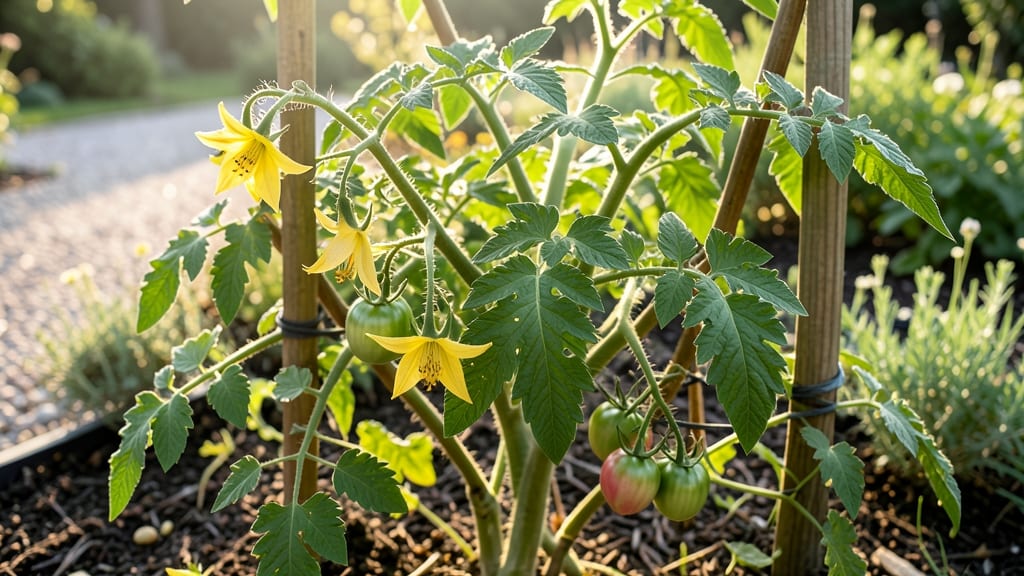
Growing tomatoes thrives in a precise temperature range — too hot or too cold can stall growth, drop flowers, or even kill your plants before they bear fruit.
Did you know that tomatoes are delicate when it comes to temperature—too hot or too cold can ruin your harvest before it even starts? Understanding the perfect tomato temp range is the key to thriving plants and juicy, flavorful fruits all season long.
From the moment your seeds sprout to the day you pick your first ripe 🍅, every stage has its own ideal conditions. Germination needs warmth, while flowering and fruiting demand cooler evenings.
Even a single night below 50°F can cause blossom drop, and temperatures above 90°F stress plants, leading to sunscald or poor fruit set.
In this guide, I’ll break down the exact temperatures your tomatoes need at every growth stage, plus practical tips to protect them in hot or cold climates—whether you’re gardening in Zone 6a or beyond.
Optimal temperature range for tomato plant growth and development
Did you know that tomatoes are delicate when it comes to temperature—too hot or too cold can ruin your harvest before it even starts? Understanding the perfect tomato temperature range is the key to thriving plants and juicy, flavorful fruits all season long.
Unlike many plants, tomatoes have specific temperature requirements at each growth stage, from seed germination to fruit ripening.
Each phase of your tomato plant's life cycle thrives within a different temperature range. For example, seeds need warmth to sprout, while flowering requires cooler nights for proper pollination. Even slight deviations can cause stunted growth, blossom drop, or poor fruit quality.
Let’s break down the ideal tomato temperature range for every stage of growth so you can maximize your harvest.
| Growth Stage | Daytime Temp (°F) | Nighttime Temp (°F) | Critical Notes |
|---|---|---|---|
| Seed Germination | 70-85°F | 60-75°F | Keep soil consistently warm; avoid cold drafts. |
| Vegetative Growth | 70-85°F | 55-65°F | Ideal for leafy growth; cool nights prevent stress. |
| Flowering | 70-80°F | 55-60°F | Cooler nights (55-60°F) improve pollination success. |
| Fruiting | 75-85°F | 60-70°F | Hot days (90°F+) can cause blossom drop. |
| Ripening | 70-80°F | 55-65°F | Consistent temps prevent cracked fruit or uneven ripening. |
During the seed germination stage, your tomatoes need a warm environment—aim for soil temperatures between 70-85°F. If your seeds struggle to sprout, it’s likely too cold. Use a seedling heat mat if needed, especially in cooler climates.
Once seedlings emerge, they’ll thrive in daytime temperatures of 70-85°F but need slightly cooler nights (55-65°F) to prevent stress during vegetative growth.
When your tomatoes transition to flowering, the magic happens at 70-80°F during the day and 55-60°F at night. This cooler nighttime temperature is crucial—it signals the plant to set fruit.
If nights stay too warm, flowers may drop without pollinating. For fruiting, maintain daytime temps of 75-85°F and nighttime temps of 60-70°F to avoid blossom drop and ensure sweet, flavorful tomatoes.
As your tomatoes approach ripening, consistency is key. Ideal daytime temps of 70-80°F and nighttime temps of 55-65°F help prevent issues like cracked fruit or uneven color development. Extreme heat or cold can also halt ripening, leaving you with green or bland-tasting tomatoes.
If your garden experiences sudden temperature swings, consider using shade cloth or row covers to protect your plants.
In regions with high humidity, temperatures above 90°F can stress your tomato plants, leading to poor fruit set or disease susceptibility. If you’re growing in a greenhouse, monitor temps closely and use ventilation or shade cloth to keep conditions stable.
For container growers, choose heat-tolerant varieties and ensure pots stay well-watered to regulate soil temperature.
Cold-sensitive tomato varieties may struggle in temperatures below 50°F, especially at night. If you’re in a cooler climate, opt for cold-hardy varieties like 'Stupice' or 'Glacier,' which can tolerate brief dips to 40°F.
For most tomatoes, however, nighttime temps below 55°F can cause stunted growth or even death. Use row covers or black plastic mulch to insulate roots and keep soil warm.
Pro tip: If you notice your tomato plants wilting suddenly during the day, it could be due to heat stress. Provide afternoon shade or increase watering frequency to help them recover. Conversely, if leaves turn yellow or growth slows, it might be too cold.
Adjust your growing conditions to match the ideal tomato temperature range for each stage, and you’ll be rewarded with a bountiful, flavorful harvest.
By paying close attention to these temperature guidelines, you’ll create the perfect environment for
How to protect tomatoes from extreme heat and cold damage
Extreme temperatures can devastate your tomato plants, causing blossom drop, stunted growth, or even plant death. When daytime temperatures soar above 90°F (32°C) or drop below 50°F (10°C), your tomatoes struggle to thrive.
The key to a bountiful harvest lies in creating a stable environment that mimics their ideal tomato temp range—typically 70-85°F (21-29°C) during the day and 60-70°F (15-21°C) at night.
In hot climates, scorching sun and dry winds can quickly push temperatures beyond what tomatoes can handle. Meanwhile, cold snaps—especially in early spring or late fall—can shock delicate plants and halt fruit development.
The good news? With the right strategies, you can shield your tomatoes from these extremes and keep them producing flavorful fruits all season long.
⚠️ Critical Tomato Temp Range Alert!
Tomatoes thrive in 70-85°F (21-29°C) daytime temps. Outside this range, they face:
- Above 90°F (32°C): Blossom drop, sunburn, and poor fruit set
- Below 50°F (10°C): Stunted growth, blackened leaves, and root damage
Monitor temps daily—especially during heatwaves or early spring—to act fast and prevent irreversible damage.
For hot climates, focus on shade cloth and mulching. A 30-50% shade cloth can reduce soil and plant temperatures by up to 10°F (5°C)
Pair this with drip irrigation in the early morning to avoid wetting leaves, which invites fungal diseases like blight. Watering deeply once or twice a week is better than frequent shallow watering, which encourages shallow root growth and heat stress. In cold climates, use row covers or low tunnels to create a microclimate that traps warmth. These simple tools can raise soil temperatures by 5-10°F (3-6°C) and protect young plants from late frosts. For containers, move pots closer to the house or under a greenhouse during chilly nights. Cold-hardy varieties like 'Stupice' or 'Glacier' can also tolerate brief dips to 40°F (4°C), but most tomatoes need protection below 50°F (10°C). Watch for warning signs of temperature stress. Heat damage often appears as yellowing leaves, wilting, or sunburned fruit (white or bleached patches). Cold stress may cause dark, mushy spots on leaves or stems, and flowers may drop without setting fruit. Act quickly by adjusting shade, watering, or protective coverings to restore balance. Even a few degrees difference can mean the difference between a thriving plant and a lost harvest. With these strategies, you can extend your tomato-growing season and protect your plants from the whims of Mother Nature. Whether you're battling a sweltering summer or a chilly spring, a little preparation goes a long way toward a garden full of juicy, homegrown tomatoes. 🍅