
Companion Plants
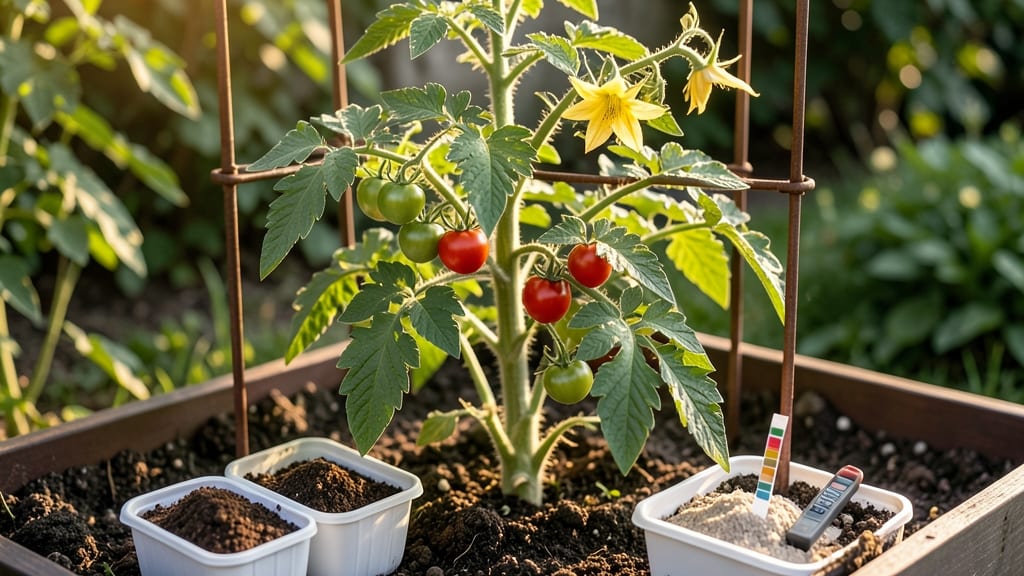
Tomato plants do not like overly acid soil and perform best in slightly acidic to neutral soil with a pH range of 6.0 to 6.8 for maximum nutrient absorption and fruit development.
Do tomato plants like acid soil? Actually, they prefer a balanced soil pH where nutrients like nitrogen, phosphorus, and calcium are most available. 🌱 When soil becomes too acidic (below 6.0), essential minerals like iron and manganese become locked away, leading to yellow leaves and stunted growth. I've seen firsthand how adjusting pH with garden lime can transform struggling tomato plants into thriving ones within weeks. The key is testing your soil first—many gardeners assume their soil is fine when it's actually too acidic.
For optimal results, aim for that 6.0-6.8 sweet spot where tomatoes can access all the nutrients they need without stress. This range also helps prevent blossom-end rot, a common issue caused by calcium deficiency that often occurs in overly acidic conditions.
The good news is that most garden soils can be adjusted relatively easily with simple amendments like crushed limestone or organic compost.
💡 In This Article
- Tomato Plant Soil pH Requirements Explained
- How to Adjust Soil pH for Tomato Gardens
Tomato plant soil pH requirements explained
Tomato plants thrive in slightly acidic to neutral soil because their nutrient absorption is directly tied to soil pH levels. At the ideal 6.0-6.8 pH range, essential minerals like phosphorus and calcium become highly available to the plant's roots.
When soil pH drops below 6.0, hydrogen ions increase, binding with nutrients like iron and manganese, making them inaccessible despite being present in the soil. This explains why tomato leaves often turn yellow in acidic conditions—the plant can't access the iron it desperately needs for chlorophyll production. 🌱
Phosphorus availability peaks at pH 6.5, which is why tomatoes often struggle to develop strong root systems in overly acidic soils. Calcium uptake also suffers, leading to blossom-end rot—a common problem where fruit develops dark, sunken spots.
Interestingly, nitrogen becomes more available in slightly acidic conditions (around pH 6.0), but too much acidity disrupts the balance between nitrogen and other essential nutrients. The result? Stunted growth, weak stems, and poor fruit development despite abundant nitrogen in the soil.
Extreme pH levels—either too acidic (<5.0) or too alkaline (>7.5)—create additional problems. In highly acidic soils, aluminum and manganese become toxic to tomato roots, causing root rot and poor nutrient uptake. On the alkaline side, micronutrients like iron and zinc become locked away, leading to similar deficiency symptoms.
The 6.0-6.8 range represents the Goldilocks zone where all these factors align for optimal tomato growth and fruit production.
Here's what happens at different pH levels:
- pH 5.0-5.9 (too acidic): Iron, manganese, and phosphorus become unavailable; aluminum toxicity increases
- pH 6.0-6.8 (ideal): All major nutrients (N-P-K) and micronutrients are optimally available
- pH 6.9-7.5 (slightly alkaline): Phosphorus availability decreases; iron and zinc deficiencies may appear
- pH 7.6+ (alkaline): Severe micronutrient deficiencies; poor nutrient uptake overall
The science behind this involves soil chemistry where hydrogen ions compete with plant roots for nutrient binding sites. At the right pH, these binding sites release nutrients just as the plant needs them.
For example, calcium—crucial for cell wall strength—becomes 10 times more available at pH 6.5 compared to pH 5.5, directly impacting fruit quality and plant resilience against diseases. This is why professional growers monitor soil pH so closely throughout the growing season.
What most gardeners don't realize is that soil pH affects more than just nutrients—it influences beneficial microbial activity in the soil. Mycorrhizal fungi, which help tomato roots absorb water and nutrients, thrive in the 6.0-6.8 range but struggle in overly acidic conditions.
This microbial connection explains why tomatoes grown in properly balanced soil often show better overall health and productivity, even with similar fertilizer inputs. 💫