
Plants
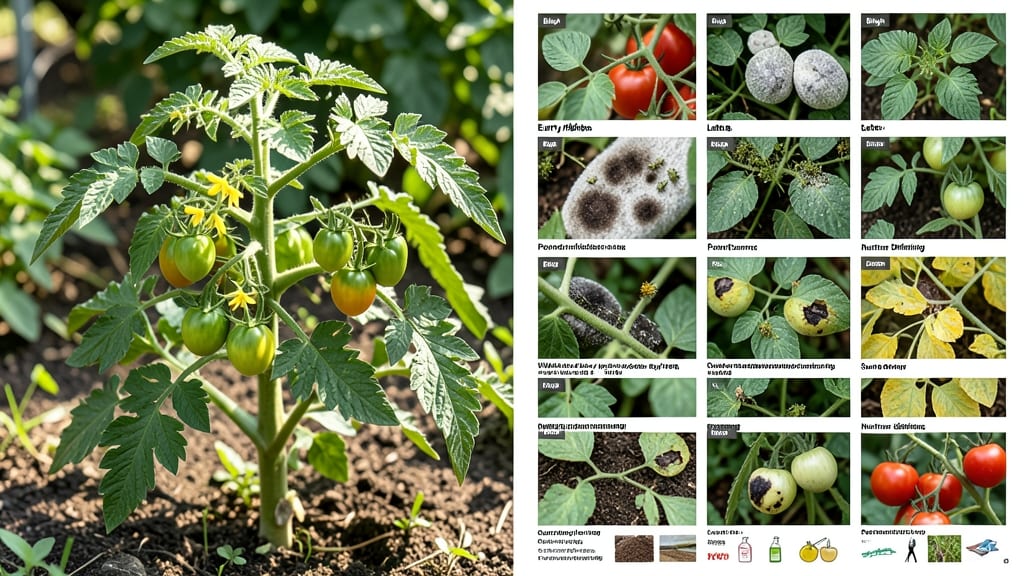
Your tomato plant troubleshooting is sending SOS signals—wilted leaves or blossoms dropping before they set fruit. 🌱 I’ve seen this drama unfold in my garden every summer, and I’ve learned the quick fixes that turn things around in days, not weeks.
The culprits are usually one of three things: too much water (or not enough), pests like aphids or hornworms feasting unseen, or environmental stress from heat or poor airflow. Most gardeners overreact—spraying everything or yanking plants out—but the real solution is often simpler than you think.
By the end of this guide, you’ll know exactly what’s wrong with your plants and how to fix it without losing your harvest. We’re talking targeted solutions: pruning for airflow, handpicking pests, or adjusting watering schedules to match the weather.
No more guessing, no more wasted effort—just healthy plants and a bounty of tomatoes. Let’s troubleshoot like a pro.
Root Causes Behind Tomato Struggles
Understanding why your tomato plants act up is half the battle—because once you know the why, the how to fix it becomes clear. Let’s break down the most common culprits behind wilted leaves, blossom drop, and other tomato plant troubles, straight from the science of horticulture.
Tomatoes are thirsty, but they hate soggy feet. 🌧️💦 When soil stays too wet, roots suffocate from a lack of oxygen, leading to:
- Fungal diseases (like Phytophthora or Fusarium wilt), which clog root tissues and block water/nutrient uptake.
- Root rot, where roots turn mushy and brown, unable to support the plant.
- Blossom end rot (indirectly)—excess moisture disrupts calcium absorption, even if you’re adding lime.
Why it happens:
- Heavy clay soil holds water like a sponge.
- Containers without drainage holes trap excess moisture.
- Overzealous watering (especially overhead) keeps leaves damp, inviting fungal spores.
Tomatoes are 95% water by weight, and drought stress sends them into survival mode. 🌞🔥 When roots can’t pull up enough H₂O:
- Leaves wilt (especially in the heat) as cells lose turgor pressure.
- Blossoms drop—plants prioritize root recovery over fruit production.
- Fruit cracks later as uneven water uptake causes rapid expansion.
Why it happens:
- Inconsistent watering (e.g., deep soaks followed by dry spells).
- Shallow root systems in young plants or container-grown tomatoes.
- High temperatures (above 90°F/32°C) increase transpiration faster than roots can replenish.
Tomatoes are heavy feeders, and deficiencies or excesses throw them off balance. 📉📈 Here’s how:
| Deficiency | Symptoms | Why It Happens |
|---|---|---|
| Nitrogen (N) | Yellow lower leaves, stunted growth | Soil depletion or over-fertilizing with potassium/phosphorus without nitrogen. |
| Potassium (K) | Weak stems, yellow leaf edges | Poor soil, leaching from heavy rain, or overuse of synthetic fertilizers. |
| Calcium (Ca) | Blossom end rot, deformed fruit | Compacted or acidic soil, overwatering (disrupts calcium uptake). |
| Magnesium (Mg) | Interveinal chlorosis (yellow between veins) | Sandy soil or over-fertilizing with nitrogen without magnesium replenishment. |
Pro Tip: 💡 A soil test reveals exact deficiencies—don’t guess! Organic matter (compost) and balanced fertilizers (like 5-10-10) help prevent extremes.
Hidden invaders steal nutrients and disrupt growth. 🐛🍄 Common troublemakers:
- Aphids/Whiteflies: Sap-sucking pests weaken plants, causing curled leaves and stunted growth.
- Hornworms: Defoliate plants overnight, leaving only stems and fruit.
- Early Blight/Fungal Spots: Dark spots on leaves reduce photosynthesis, leading to wilting.
- Verticillium/Fusarium Wilt: Soil-borne fungi block xylem vessels, causing sudden wilting (often in one branch first).
Why it happens:
- Stress (drought, poor soil) makes plants more susceptible.
- Overcrowding creates humid microclimates, perfect for fungal spores.
- Lack of rotation: Planting tomatoes in the same spot yearly exhausts soil defenses.
Tomatoes are sensitive to their surroundings. Here’s how external factors backfire:
| Stressor | Effect on Plant | Why It Happens |
|---|---|---|
| Extreme Heat | Wilting, sunburn (silvering on leaves) | Heat >95°F/35°C damages cell membranes; roots can’t keep up with water loss. |
| Cold Snaps | Blackened leaves, stunted growth | Temperatures below 50°F/10°C disrupt enzyme activity in leaves. |
| Wind Burn | Scorched leaf edges | Rapid water loss from desiccating winds, especially in dry conditions. |
| Poor Airflow | Powdery mildew, blight | Stagnant air traps humidity, encouraging fungal growth. |
Fix Focus: 🌡️ Use shade cloth in peak summer, mulch to regulate soil temp, and space plants for airflow.
Moving tomato plants (even young seedlings) can trigger stress. 🌱💥 Why?
- Root pruning: Disturbing roots during transplanting slows water/nutrient uptake.
- Root circling: Container-grown plants develop roots that girdle the pot, making them brittle when moved.
- Improper handling: Dropping plants or burying stems too deep suffocates roots.
Key Insight: Tomatoes hate being uprooted—direct-sow when possible, and harden off seedlings gradually before transplanting.
Quick Fixes for Common Tomato Plant Issues
Got a tomato plant throwing red flags? Don’t panic—most problems have simple, effective solutions. Below, we’ve mapped out practical fixes for the most common tomato plant troubles, from wilted leaves to blossom drop, plus prevention tips to keep your plants thriving. Let’s get your tomatoes back on track!
Cause: Too much water, poor drainage, or lack of nitrogen. Fix It Fast: 🔥 Check the soil – Stick your finger 1-2 inches deep. If it’s soggy, your plant is drowning. Stop watering immediately and let the soil dry out slightly between waterings. 🍳 Flush the soil – Run water through the pot (or garden bed) for 10-15 minutes to leach out excess salts or chemicals. 👨🍳 Feed with nitrogen – Use a balanced fertilizer (10-10-10) or a compost tea to replenish nutrients. For organic growers, try fish emulsion or alfalfa meal. 🥘 Improve drainage – If potted, add perlite or coarse sand to the soil mix. In gardens, raise beds or add gravel at the bottom.
Prevent It: ✅ Water deeply but less often – Aim for 1-2 inches per week, letting the top inch of soil dry out. ✅ Use well-draining soil – Mix in compost, coconut coir, or vermiculite. ✅ Mulch heavily – Straw or grass clippings retain moisture without waterlogging roots.
Cause: Temperatures above 90°F (32°C), low humidity, or poor pollination. Fix It Fast: 🌡️ Shade during peak heat – Use shade cloth (30-50%) or move potted plants to a cooler spot (like under a porch). 🎯 Hand-pollinate flowers – Gently tap the stems or use a small brush to transfer pollen between flowers. 💡 Boost humidity – Mist plants early in the morning or place a tray of water nearby. 🔥 Avoid over-fertilizing – Too much nitrogen = more leaves, fewer flowers. Switch to a phosphorus-rich fertilizer (5-10-10) to encourage blooming.
Prevent It: ✅ Choose heat-tolerant varieties – Try ‘Solar Fire,’ ‘Heatmaster,’ or ‘Black Krim’ for hot climates. ✅ Water deeply in the morning – Keeps roots cool and reduces stress. ✅ Prune for airflow – Remove suckers and crowded leaves to improve circulation.
Cause: Humidity + poor airflow = fungal spores thrive. Fix It Fast: 🔪 Prune infected leaves – Cut off spotted leaves with sterilized scissors and dispose of them (don’t compost!). 🍳 Apply copper fungicide – Spray neem oil or baking soda mix (1 tsp baking soda + 1 quart water + a drop of soap) every 7-10 days. ⏰ Water at the base – Avoid wetting leaves (water in the morning so foliage dries quickly). 🌡️ Improve airflow – Space plants 18-24 inches apart and prune suckers to reduce humidity.
Prevent It: ✅ Rotate crops – Don’t plant tomatoes in the same spot yearly. ✅ Use mulch – Straw or black plastic mulch keeps soil dry and reduces splashing spores. ✅ Start with disease-resistant seeds – Look for ‘Defiant,’ ‘Mountain Merit,’ or ‘Celebrity’ varieties.
Cause: Soft-bodied insects love tender tomato leaves. Fix It Fast: 💦 Blast them off – Spray strong water jet to knock off aphids and mites. 🍳 Introduce beneficial insects – Ladybugs, lacewings, or praying mantises eat pests naturally. 🔪 Handpick hornworms – Look for green caterpillars with white stripes—squish or drop in soapy water. 🌿 Spray soapy water – Mix 1 tsp mild soap + 1 quart water and spray undersides of leaves.
Prevent It: ✅ Encourage predator plants – Marigolds, basil, and dill repel pests. ✅ Inspect plants weekly – Catch infestations early before they spread. ✅ Use row covers – Floating fabric keeps pests out while letting light and water through.
💡 Pro Tip: Always rotate your fixes—don’t rely on one solution long-term. Healthy soil + proper care = fewer problems! Now go rescue those tomatoes before they turn into sauce instead of slicers. 🍅🔥
Frequently asked questions about tomato plant troubleshooting
Why are my tomato leaves turning yellow?
Yellow leaves usually signal a nutrient deficiency or overwatering. Check the pattern: yellowing at the bottom often means nitrogen deficiency, while yellow edges suggest potassium or magnesium issues. For overwatering, let the soil dry out between waterings and improve drainage with perlite.
How do I know if my tomato plant has root rot?
Root rot shows up as mushy, brown roots and wilted leaves that don’t perk up even after watering. Pull a plant gently—if roots smell foul or fall apart, you’ve got root rot. Fix it by trimming affected roots, repotting in fresh soil with perlite for drainage, and reducing watering.
Can I still save my tomato plant if it's wilting?
Yes! First, check if the wilting is temporary (drought stress) or permanent (disease like Fusarium wilt). For temporary wilting, water deeply in the morning and provide shade. If it’s a disease, prune infected areas, improve airflow, and use copper fungicide to prevent spread.
What’s the best way to prevent blossom end rot?
Blossom end rot happens when tomatoes can’t absorb enough calcium. Keep soil consistently moist (not soggy), add crushed eggshells or lime to the soil, and avoid fertilizers high in nitrogen. Mulching helps maintain steady moisture levels—critical for calcium uptake!
Are my tomato plants getting enough sunlight?
Tomatoes need 6-8 hours of direct sunlight daily. If leaves look pale or plants are leggy, they’re not getting enough light. Move potted plants to sunnier spots or use grow lights for 12-16 hours/day. In gardens, avoid shading from taller plants or structures.