
Planting
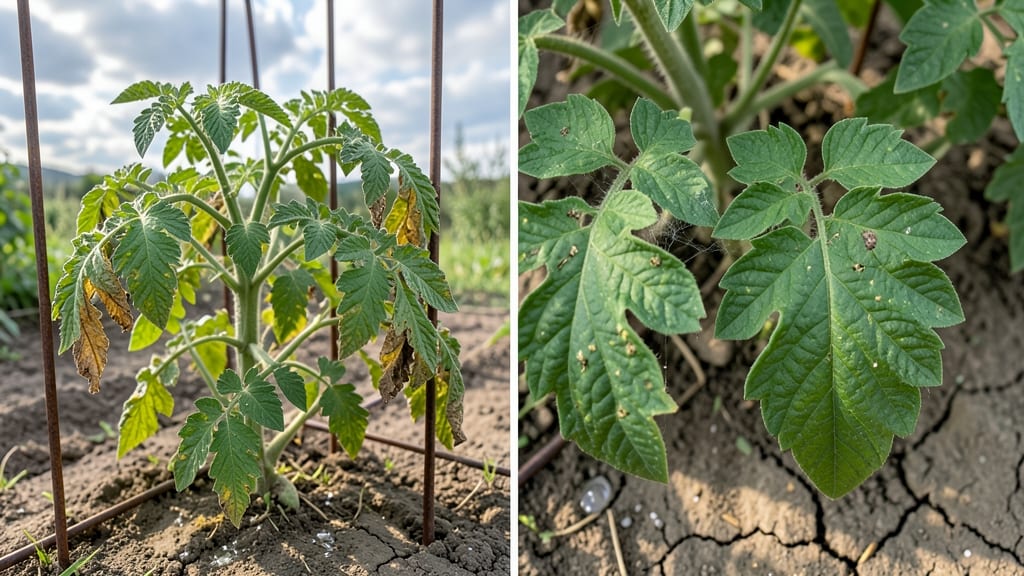
When your tomato plant leaves start drooping and curling 🍅, it’s a clear sign something’s off—but the fix is often simpler than you think.
Watching your tomato plants struggle with drooping and curling leaves can be frustrating—especially when you’ve poured time and care into growing them. The good news? This common issue often has quick fixes, and understanding the root causes can save your harvest before it’s too late.
Whether it’s overwatering, underwatering, pests like spider mites, or even too much heat, the key is acting fast to diagnose the problem. Below, I’ll walk you through the most likely causes and the easiest solutions to get your plants back on track.
By the end, you’ll know exactly how to check your soil, spot early signs of trouble, and revive your tomatoes—so you can enjoy a bountiful harvest instead of wilting leaves.
5 Common causes of tomato plant leaves drooping and curling (and how to diagnose them)
When your tomato plants develop drooping and curling leaves, it’s a clear sign something’s off—but pinpointing the exact cause can feel like detective work. The good news?
Most issues fall into five predictable categories, each with distinct visual symptoms and solutions. Let’s break down how to diagnose them before they ruin your harvest.
Start by inspecting your plants under bright light and checking the soil moisture. Look for patterns: Are the youngest leaves affected first? Is the problem isolated to one plant or spreading? These clues will narrow down the culprit. Remember, early action means healthier tomatoes and bigger yields.
Here’s how to spot the top 5 causes and what they reveal about your plant’s health:
Yellowing leaves, mushy stems, and soil that stays soggy for days. Check for root rot by gently pulling the plant—if roots smell foul or are brown, you’ve overdone it.
Crispy, dry leaf edges, and soil that pulls away from the pot. Tomato plants need 1-2 inches of water weekly. If the topsoil is bone-dry, it’s time to hydrate.
Leaves curl upward like a wave and may develop brown scorch marks. This happens when temps hit 90°F+. Provide afternoon shade with a lightweight row cover or mulch.
Tiny spider webs, chewed leaves, or sticky residue (aphids). Flip leaves over—look for tiny bugs or eggs. Neem oil or insecticidal soap can save your plants.
Dark spots, yellow halos, or white powder on leaves. Early signs? Remove infected leaves immediately and space plants for better airflow. Copper fungicide helps.
Now that you’ve identified the likely cause, the next step is action. For example, if your plants are wilting from heat stress, move them to a shadier spot immediately. If pests are the culprit, a targeted spray of neem oil can work wonders within 24-48 hours.
The key is acting fast—tomato plants are resilient, but delays can turn a minor issue into a full-blown crisis.
Pro tip: Keep a gardening journal to track watering, weather, and symptoms. Noticing a pattern—like wilting after heavy rain—can help you prevent future problems. For instance, I once thought my tomatoes were underwatered until I realized the drooping happened after overnight watering, which led to fungal growth.
If you’re still unsure, take a photo of the affected leaves and compare it to online resources or consult a local extension office. Many gardeners swear by the “finger test”: Gently press a leaf—if it springs back, it’s likely environmental stress.
If it stays curled, pests or disease may be at play.
Remember, tomato plants communicate their needs through leaves. Drooping can mean thirst, curling can signal stress, and yellowing often points to nutrient issues. By tuning into these signals, you’ll become a tomato whisperer in no time.
Next, we’ll dive into step-by-step fixes tailored to each cause—so you can revive your plants and protect your harvest before it’s too late. 🌱
Step-by-step fixes to revive your tomato plants based on the problem
When your tomato plant leaves start drooping and curling, it’s a clear sign your plant is under stress—but don’t panic. The key to revival lies in identifying the exact cause and acting fast.
Whether it’s watering issues, pests, or environmental factors, targeted fixes can turn things around in days. Let’s tackle the most common problems with precise, actionable steps to restore your plants’ health and save your harvest.
Start by examining the leaves and stems for clues: Are they yellowing, crispy, or covered in tiny webs? Each symptom points to a different issue. For example, overwatered plants often show mushy stems and yellow leaves, while underwatered ones have crispy, brown edges.
Once you pinpoint the problem, follow the steps below to revive your tomato plants effectively.
🌱 Quick Revival Steps for Tomato Plants
-
Step 1: Adjust Watering Immediately
Check soil moisture by sticking your finger 1-2 inches deep. If dry, water deeply until moisture reaches 6 inches down. If soggy, reduce watering and improve drainage with organic mulch.
-
Step 2: Prune Damaged Leaves
Use sterilized pruners to remove yellow, curled, or diseased leaves. Focus on lower leaves to improve airflow and reduce fungal risks. Never prune more than 1/3 of the plant at once.
-
Step 3: Apply Organic Pest Control
For spider mites or aphids, spray leaves with a mix of 1 tsp neem oil + 1 tsp dish soap in 1 quart water. Repeat every 3-5 days until pests vanish. For whiteflies, use yellow sticky traps.
-
Step 4: Shield from Extreme Heat
If leaves are wilting in heat, provide shade with lightweight row covers or a breathable cloth during peak sun (12–3 PM). Move potted plants to partial shade until temperatures drop below 90°F (32°C).
-
Step 5: Fertilize for Recovery
Use a balanced fertilizer (10-10-10) diluted to half strength. Water plants first, then apply fertilizer to soil around roots. Avoid fertilizing if leaves show signs of nutrient burn (brown edges).
After implementing these steps, monitor your tomato plants closely for 24-48 hours. Look for signs of improvement, like leaves perking up or new growth. If the problem persists, revisit your watering schedule or check for hidden pests on the undersides of leaves.
Remember, consistency is key—tomatoes thrive on routine care, so stick to your revised plan until your plants regain their vigor.
For preventative care, consider adding compost to your soil to improve drainage and nutrient retention. Also, stake your plants early to reduce stress from wind or heavy fruit. With these fixes, your tomato plants should bounce back stronger than ever, ready to produce a bountiful harvest.
🌿