
Pests and Diseases
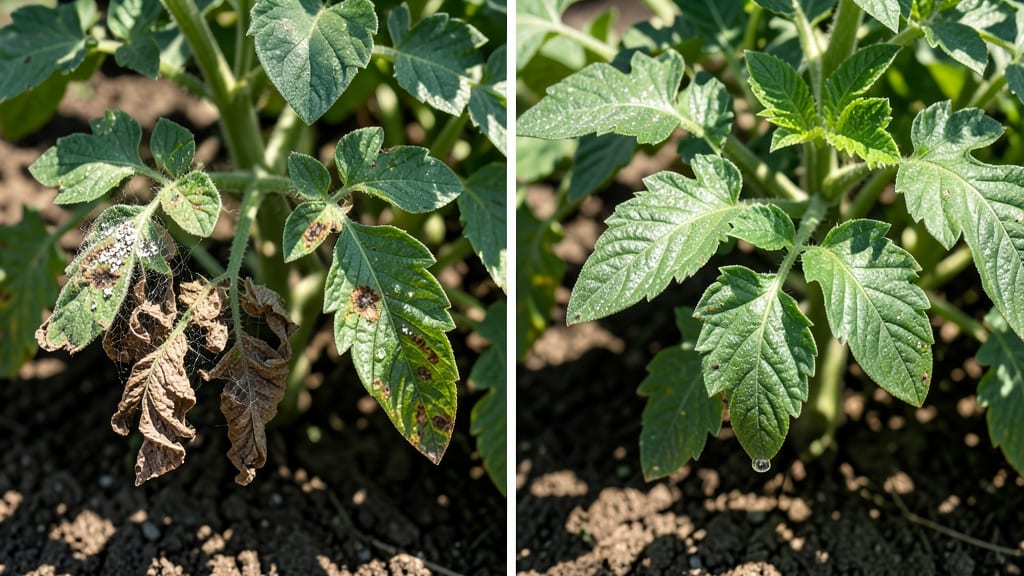
Your tomato plant’s leaves turning brown and curling isn’t just a problem—it’s a cry for help. 🌱 I’ve seen this happen with overwatered plants, fungal infections, and even hidden pests, and the fix depends on what’s really wrong.
Start by checking the pattern: crispy edges mean one issue, while yellowing centers point to something else entirely.
Most gardeners blame water first, but it’s often fungal diseases like early blight or septoria leaf spot. These show up as brown spots with yellow halos, while spider mites leave tiny webs and stippled leaves. Nutrient deficiencies (like magnesium) cause curling too—look for interveinal browning that starts on older leaves.
Here’s the good news: once you identify the cause, the fixes are straightforward. Prune infected leaves immediately, adjust watering, and apply neem oil or copper fungicide if needed.
For pests, a strong spray of water or insecticidal soap works wonders. Within a week, you’ll see healthier growth—or at least know what’s really going wrong.
Prevention is easier than fixing—space plants for airflow, mulch to keep soil moist but not soggy, and choose disease-resistant varieties. This isn’t just about saving your plants; it’s about growing tomatoes that thrive all season long.
Root Causes Behind Leaf Stress
When your tomato plant’s leaves start turning brown and curling, it’s often a cry for help from the plant itself. Understanding the why behind these symptoms is the first step to saving your harvest.
Below, we break down the most common culprits—each with a distinct signature that can guide your diagnosis and treatment.
Tomatoes thrive in warm, stable conditions (ideally 70–85°F during the day and 55–65°F at night). When temperatures spike or drop abruptly, leaves react by curling inward to conserve moisture and protect delicate tissue.
Brown edges or scorched spots? That’s a sure sign of heat stress. Cold snaps (below 50°F) can cause chilling injury, leading to discoloration and curling as cell membranes rupture.
Actionable fix:
- 🌡️ Provide shade cloth (30–50%) during heatwaves to block direct sun.
- ❄️ Use row covers or mulch to insulate roots in cold weather.
- 💧 Water deeply in the morning to cool leaves and soil gradually.
Water stress—whether from drought or overwatering—is a top cause of brown, curled leaves. When soil dries out, roots struggle to supply nutrients, causing leaves to curl upward (a survival tactic to reduce water loss).
Overwatering, on the other hand, suffocates roots by cutting off oxygen, leading to yellowing between veins (chlorosis) and brown, mushy edges.
How to spot it:
- 🔥 Drought stress: Leaves curl tightly, feel crispy, and may drop easily.
- 💦 Overwatering: Soil stays soggy; leaves wilt even when watered and develop brown, greasy spots.
Actionable fix:
- 🌱 Check soil moisture 1–2 inches deep—water only when dry (stick your finger in!).
- 🚰 Improve drainage by amending soil with compost or perlite.
- 🕒 Water at the base (not overhead) to avoid fungal diseases that worsen browning.
Insects like aphids, spider mites, and whiteflies pierce leaves to suck out sap, causing them to curl, yellow, and brown over time. These pests also excrete honeydew, a sticky residue that attracts sooty mold—a black fungal film that blocks sunlight and accelerates leaf decay.
Pest ID cheat sheet:
Pest
Leaf Symptoms
Where to Look
Aphids
Leaves curl downward, sticky honeydew, distorted new growth
Undersides of leaves, stems, buds
Spider Mites
Fine webbing, bronzing/browning on upper leaf surfaces
Lower leaves, between curled fronds
Whiteflies
Yellowing, curling; tiny white moths when disturbed
New growth, leaf undersides
Actionable fix:
- 💦 Blast pests off with a strong stream of water (especially aphids).
- 🌿 Introduce beneficial insects like ladybugs or lacewings.
- 🧴 Use neem oil or insecticidal soap (follow label rates).
- 🧹 Remove heavily infested leaves and dispose of them in sealed bags.
Pathogens like early blight, late blight, and bacterial spot thrive in warm, humid conditions, turning tomato leaves into a brown, crinkled mess. Early blight starts with concentric brown spots (like bullseyes) on older leaves, while late blight causes greasy, dark brown patches that spread rapidly.
Bacterial spot creates tiny, water-soaked lesions with yellow halos.
How to confirm:
- 🔍 Early blight: Spots have target-like rings; stems may develop dark streaks.
- 💦 Late blight: Leaves rot and collapse quickly; stems turn black.
- 🧪 Bacterial spot: Lesions oozes bacteria when wet; scissor edges are jagged.
Actionable fix:
- 🌱 Remove infected leaves/stems immediately (sterilize pruners with rubbing alcohol).
- 🌡️ Improve airflow by spacing plants 18–24 inches apart.
- 💧 Water at soil level (avoid overhead watering after 10 AM).
- 🍄 Prevent recurrence: Rotate crops yearly; use copper fungicide or organic sprays like baking soda mix (1 tbsp baking soda + 1 tsp oil + 1 gallon water).
Tomatoes are heavy feeders, and imbalances in nutrients can trigger browning and curling. For example:
- ⚠️ Nitrogen deficiency: Older leaves yellow between veins (chlorosis) before browning and curling.
- ⚠️ Potassium deficiency: Leaf edges scorch and curl (like a "cup shape").
- ⚠️ Magnesium deficiency: Interveinal yellowing spreads from older leaves, followed by browning.
- ⚠️ Toxicity (e.g., too much salt or boron): Leaves curl and crisp with brown, brittle edges.
Actionable fix:
- 📊 Test your soil (kits are affordable and precise).
- 🌿 Amend soil with compost or a balanced fertilizer (e.g., 10-10-10).
- 💧 Flush soil with water if you suspect salt buildup (leach excess salts).
- 🍅 Side-dress with banana peels (for potassium) or Epsom salt (for magnesium—1 tbsp per gallon of water).
Quick Fixes for Wilted Tomato Leaves
Now that you’ve pinpointed the issue, it’s time to roll up your sleeves and restore your tomato plants to their vibrant, productive selves! The right approach depends on the root cause, but most solutions involve a mix of preventive care, targeted treatments, and a little TLC.
Below, we’ll break down actionable steps for each common culprit—plus pro tips to keep your plants thriving long-term.
Fix it fast:
- 🔥 Pause Watering Immediately Let the top 1–2 inches of soil dry out before watering again. Stick your finger in the soil—if it’s soggy past your first knuckle, hold off.
- 👨🍳 Improve Soil Drainage Mix in compost or perlite (1 part to 3 parts soil) to loosen heavy clay or compacted dirt. For container plants, ensure pots have drainage holes.
- ⏰ Adjust Your Watering Schedule Water deeply 2–3 times per week (less in humid climates) rather than daily shallow sprinkles. Early morning is best—avoid evening watering to prevent fungal growth.
Prevention tips: ✨ Use a moisture meter to track soil dampness accurately. 💡 Mulch around plants with straw or shredded leaves to retain moisture without over-saturating roots.
Fix it fast:
- 🥘 Water Slowly and Deeply Use a soaker hose or drip irrigation to deliver water directly to the root zone. Avoid overhead sprinklers, which can stress leaves.
- 🌡️ Provide Shade Relief If temps exceed 90°F (32°C), drape shade cloth (30–50%) over plants for a few hours daily. A simple white sheet works in a pinch!
- 🔪 Trim Severely Damaged Leaves Snip off brown, crispy leaves with clean scissors to redirect energy to healthier growth. Avoid pruning more than 20% of the foliage at once.
Prevention tips: 🎯 Water at the base—never the leaves—to prevent evaporation and fungal risks. 💡 Group plants together to create a microclimate with shared humidity.
Fix it fast:
- 🍳 Remove Infected Foliage Pick off yellow/brown spots and curl-edged leaves, then dispose of them in the trash (not compost!). Wear gloves—some fungi spread via spores.
- 🔪 Apply Copper or Organic Fungicides Spray plants with:
- Baking soda mix: 1 tsp baking soda + 1 quart water + a drop of dish soap (reapply weekly).
- Neem oil (1 tbsp per gallon of water) for early blight.
- Copper fungicide (like Bonide Copper Fungicide) for late blight—follow label instructions.
- ⏰ Space Out Watering Water only the soil, and do so early in the day so leaves dry by nightfall.
Prevention tips: 🌡️ Rotate crops—never plant tomatoes in the same spot next year (wait 3 years). ✨ Improve airflow by pruning suckers and spacing plants 18–24 inches apart.
Fix it fast:
- 🔥 Blast Off Pests with Water Spray leaves with a strong stream of water to dislodge aphids or mites. Repeat every 2–3 days for 2 weeks.
- 🍳 Introduce Beneficial Insects Release ladybugs, lacewings, or predatory mites (available at garden centers) to feast on pests naturally.
- 🔪 Use Insecticidal Soap or Oil Mix 1 tbsp castile soap or horticultural oil per quart of water, spray thoroughly, and reapply after rain.
Prevention tips: 💡 Inspect new plants before bringing them home—quarantine for 48 hours if pests are suspected. 🎯 Encourage pollinators (like bees) with companion plants (e.g., basil or marigolds) to deter pests.
Fix it fast:
- 🥘 Test Your Soil Use a DIY soil test kit (or send a sample to a local extension office) to confirm deficiencies. Common fixes:
- Yellow leaves? → Nitrogen: Add compost, fish emulsion, or blood meal.
- Brown edges? → Potassium: Use wood ash or banana peel tea.
- Yellow veins? → Magnesium: Sprinkle Epsom salt (1 tbsp per gallon of water) every 2 weeks.
- 🔪 Prune for Balance Trim overly leggy growth to redirect nutrients to fruit production.
Prevention tips: 🌡️ Mulch heavily with well-aged compost to slowly release nutrients. 💡 Rotate crops annually to prevent nutrient depletion.
Fix it fast:
- 🔥 Protect Plants Immediately
- Wind? Use stakes, cages, or windbreaks (like burlap screens).
- Hail? Cover plants with floating row covers or old blankets during storms.
- Heat? Shade cloth + drip irrigation to cool roots.
- 🍳 Revive with Foliar Spray Mix 1 tsp molasses + 1 tbsp seaweed extract per gallon of water to boost resilience.
Prevention tips: ✨ Choose heat-tolerant varieties like ‘Heatmaster’ or ‘Solar Fire’ for future seasons. 🎯 Plant in late spring (after last frost) to avoid early-season heatwaves.
Final Pro Tip: 🔥 Act fast! The sooner you address the issue, the quicker your tomato plants will bounce back. Keep a garden journal to track symptoms and solutions—it’ll save you time next season! 🌱
Frequently asked questions
Why are my tomato leaves curling and turning brown only on the edges?
This is often a sign of underwatering or heat stress. When soil dries out, roots can't supply enough moisture, causing leaves to curl upward and edges to brown. Check soil moisture 1-2 inches deep—if dry, water deeply in the morning. For heat stress, provide afternoon shade with a light cloth (30-50%) when temps exceed 90°F.
What's the difference between brown spots with yellow halos and general browning?
Brown spots with yellow halos are classic signs of fungal diseases like early blight or septoria leaf spot, while general browning often indicates water stress or nutrient issues. Fungal spots start on older leaves and spread upward—remove infected foliage immediately and apply copper fungicide. For general browning, check soil moisture and consider Epsom salt for magnesium deficiency.
Can I still harvest tomatoes if the leaves are brown and curling?
Yes, but focus on protecting the remaining healthy foliage. The plant can still produce fruit even with some leaf damage. Prune only the most severely affected leaves (no more than 20% of the plant) to redirect energy to fruit development. Avoid harvesting stressed fruit—wait until the plant recovers to ensure quality.
How do I know if my tomato plant has spider mites instead of a disease?
Look for tiny webs on leaf undersides and bronzing/brown stippling on upper leaf surfaces—these are spider mite hallmarks. Hold a white sheet under the plant and shake it; if you see tiny moving dots, it's mites. Treat with a strong water spray or neem oil (1 tbsp per gallon of water), and introduce beneficial insects like ladybugs.
Will my tomato plant recover if I fix the problem now?
Recovery depends on how severe the damage is! If you catch issues early (like mild curling or small brown spots), your plant can often bounce back within 1-2 weeks with proper care. For advanced cases (large brown areas or severe wilting), focus on saving the remaining healthy growth. Always remove severely damaged leaves to prevent further stress.