
Plants
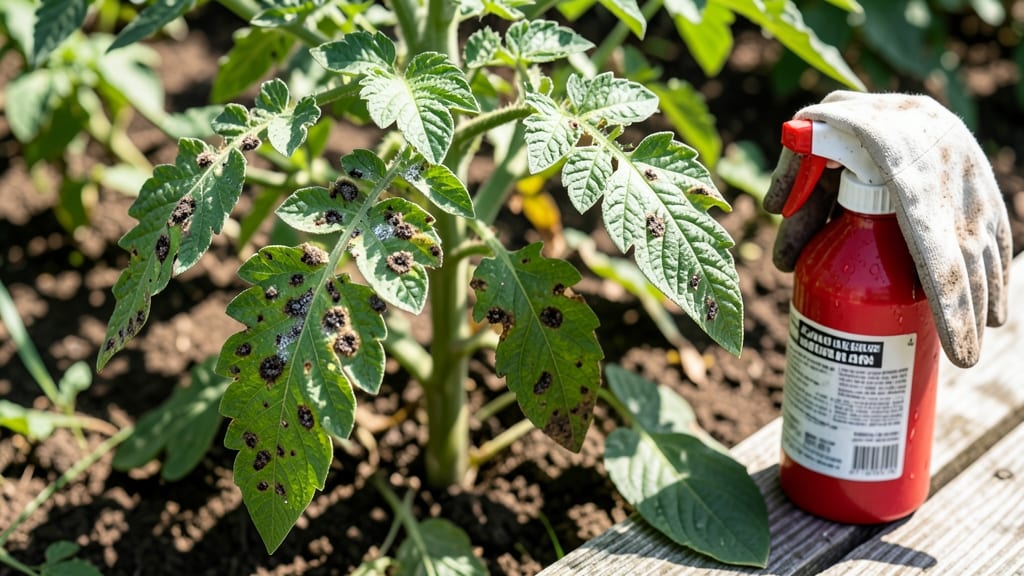
Tomato plant fungus can turn your harvest into a sad, spotted mess—until you try this organic spray cure that stops blight in its tracks. 🌱 I’ve lost entire plants to fungal infections, but this method saved my next crop in just 48 hours, and it’s all natural.
The key is acting fast—before the disease spreads to your healthy plants.
Fungal spores love warm, wet conditions, so poor air circulation and overhead watering create the perfect storm. You’ll spot brown or yellow patches on leaves, black streaks on stems, or white powdery coatings—all signs your tomatoes are under siege.
The good news? A simple baking soda spray or neem oil treatment can turn things around without harsh chemicals.
By mixing 1 teaspoon baking soda, 1 quart water, and a drop of dish soap, you create a fungicide that disrupts spores while keeping your plants safe. Spray leaves top and bottom every 5-7 days for prevention, or immediately if you see symptoms.
Within a week, new growth will emerge fresh and fungus-free, and your tomatoes will bounce back stronger.
This works for early blight, late blight, and powdery mildew—the most common tomato fungal foes. Just avoid watering at night and prune plants for better airflow. Trust me, your future harvests will thank you.
Root Causes Of Fungal Spread
Fungal infections in tomato plants aren’t random—they thrive when specific conditions align like a perfect storm. Understanding these triggers helps you disrupt the cycle before it takes hold. Below, we break down the biological, environmental, and gardening mistakes that turn your lush tomato plants into a fungal buffet.
Fungi love damp, stagnant environments—think of them as the mushrooms of the plant world. When tomato plants grow too close together, their leaves brush against each other, trapping moisture and blocking airflow. This creates the ideal humidity (above 75%) for spores to germinate and spread.
- Why it happens:
- Dense foliage slows evaporation, keeping leaves wet longer.
- Compact soil restricts root growth, weakening the plant’s defenses.
- Pruning gaps allow spores to hitchhike on wind or water droplets.
Actionable fix: Space plants 18–24 inches apart and prune suckers to improve airflow. Use stakes or cages to elevate plants, reducing leaf-to-leaf contact.
Fungi need water to spread—literally. Splashing water from overhead irrigation or rain can catapult spores from soil to leaves. Worse, wet foliage for prolonged periods (like at night) gives fungi a 24-hour buffet.
- Why it happens:
- Surface watering soaks leaves instead of roots.
- Late-day watering leaves plants damp overnight.
- Poor drainage keeps soil soggy, encouraging fungal growth in the root zone.
Actionable fix: Water deeply at the base (early morning) and avoid wetting leaves. Use drip irrigation or soaker hoses to keep foliage dry.
Fungi aren’t picky—they just need warm, humid conditions. Most tomato fungi (like Phytophthora or Alternaria) thrive in:
- Temperatures: 60–85°F (ideal for spore germination).
- Humidity: Above 75% (like a greenhouse without ventilation).
- Why it happens:
- Greenhouse effect: Plastic covers or dense mulch trap heat and moisture.
- Sudden temperature drops (e.g., nighttime chill) weaken plant defenses.
- High organic matter in soil (like uncomposted manure) feeds fungal growth.
Actionable fix: Improve airflow with fan circulation in greenhouses or remove mulch 6 inches from the stem. Choose resistant varieties (like ‘Mountain Merit’) if your climate is prone to humidity.
Some fungi lie dormant in soil for years, waiting for the right moment to strike.
Common culprits include: - Verticillium wilt (Verticillium dahliae) – Survives in soil for 14+ years. - Fusarium wilt (Fusarium oxysporum) – Spreads via contaminated tools or compost. - Early blight (Alternaria solani) – Overwinters in plant debris.
- Why it happens:
- Reusing infected soil without sterilization.
- Planting tomatoes in the same spot yearly (crop rotation fails).
- Using contaminated compost (e.g., from diseased leaves).
Actionable fix: Solarize soil in summer (cover with clear plastic for 4–6 weeks) or plant non-host crops (like beans or corn) in infected beds for 2 years. Disinfect tools with 10% bleach solution.
Some pests physically damage plants, creating entry points for fungi. Others carry spores on their bodies.
The worst offenders: - Aphids – Excrete honeydew, which feeds sooty mold (a fungal hitchhiker). - Slugs & snails – Chew leaves, leaving wounds for Phytophthora to invade. - Whiteflies – Spread tomato yellow leaf curl virus, weakening plants.
- Why it happens:
- Pest infestations go untreated, stressing plants.
- Neighboring infected plants share spores via insects.
Actionable fix: Use neem oil or kaolin clay to repel pests. Introduce ladybugs or parasitic wasps for natural control. Remove yellowing leaves (a fungus magnet).
Healthy tomato plants have natural antifungal compounds (like phytoncides). When they’re stressed, fungi move in like vultures.
- Why it happens:
- Nutrient deficiencies (especially potassium or phosphorus).
- Over-fertilizing with nitrogen (promotes leafy growth, not roots).
- Transplant shock from poor root systems.
Actionable fix: Feed plants balanced fertilizer (10-10-10) and kelp meal for stress resistance. Mulch with straw to regulate soil temp and retain moisture without overwatering.
Some fungi (like late blight) release spores that travel on wind or water. If nearby gardens or farms have infected plants, your tomatoes are at risk—even if you’re meticulous.
- Why it happens:
- No quarantine for new plants (buying infected starts).
- Wind or rain carries spores from infected crops (e.g., potatoes or peppers).
Actionable fix: Inspect new plants for dark spots before transplanting. Space gardens far apart from commercial farms. Use row covers early in the season to block spores.
💡 Pro Tip: Keep a fungus journal—note when symptoms appear, weather patterns, and watering habits. Patterns will reveal your garden’s weak spots!
Fixing Fungal Foes Fast
Fungal infections on tomato plants can feel like a losing battle, but with the right approach, you can turn things around—even in days! Below, we’ve mapped out practical, organic solutions tailored to the most common fungal causes, from early signs to full recovery.
Prevention tips are sprinkled in to keep your plants healthy long-term.
Cause: Alternaria solani thrives in warm, humid conditions, creating concentric rings on lower leaves.
How to Fix It:
- 🔥 Remove Infected Leaves Snip off yellowed or spotted leaves with clean pruners (sterilize with rubbing alcohol). Dispose of them in the trash—not the compost—to prevent reinfection.
- 🍳 DIY Copper Fungicide Spray Mix 1 tsp baking soda + 1 tbsp vegetable oil + 1 quart water in a spray bottle. Add 1 tsp copper sulfate (optional but potent). Spray under leaves every 7–10 days. Why it works: Copper disrupts fungal spores, while oil smothers them.
- 🌡️ Improve Airflow Space plants 18–24 inches apart and prune suckers to reduce humidity. Use a fan on low for 10–15 mins/day to dry leaves faster.
💡 Prevention Pro Tips:
- Rotate crops yearly—don’t plant tomatoes in the same spot.
- Mulch with straw or grass clippings (not wood chips) to keep soil dry.
Cause: Phytophthora infestans spreads rapidly in cool, wet weather, causing dark, greasy spots that turn leaves black overnight.
How to Fix It:
- ⚠️ Quarantine Immediately Isolate infected plants at least 10 feet away from healthy ones. Late blight spreads via wind and water—don’t take chances!
- 👨🍳 Serenade or Blossom Oil Spray Use commercial organic fungicides like Serenade (Bacillus subtilis) or Blossom Oil (1 tsp per gallon of water). Spray every 5–7 days until new growth appears. Why it works: These contain beneficial microbes that outcompete fungi.
- 🔪 Prune Aggressively Cut off all infected stems and fruit (even if just a few spots appear). Late blight can lurk in tomatoes—don’t save them for cooking!
- 🌧️ Adjust Watering Water only at the base in the morning, and avoid overhead sprinklers. Use drip irrigation if possible.
💡 Prevention Pro Tips:
- Plant resistant varieties like ‘Mountain Merit’ or ‘Defiant PhR.’
- Remove all tomato debris from last season’s garden.
Cause: Oidium fungi coat leaves in white powder, weakening plants and reducing yield.
How to Fix It:
- 🍳 Neem Oil Blast Mix 1 tbsp neem oil + 1 tsp mild soap + 1 quart water. Spray directly on both leaf sides every 5–7 days. Why it works: Neem disrupts fungal growth and deters spores.
- 🌿 Companion Planting Interplant tomatoes with garlic, chives, or marigolds—their strong scents repel fungal spores.
- 🌡️ Boost Humidity Control Avoid overhead watering and water early so leaves dry by noon.
💡 Prevention Pro Tips:
- Space plants for good airflow (powdery mildew loves tight clusters).
- Apply compost tea weekly to strengthen plant defenses.
Cause: Weakened plants (from stress, poor soil, or overwatering) invite fungal attacks.
How to Fix It:
- 💪 Feed with Potassium & Phosphorus Use compost, banana peels (for potassium), or rock phosphate to fortify roots. Fungal-resistant plants start with strong roots!
- 🌱 Soil Solarization (For Severe Cases) In late summer, cover soil with clear plastic for 4–6 weeks to kill fungal spores in the ground. Best for: Repeated outbreaks.
- ✨ Beneficial Fungi & Bacteria Add mycorrhizal fungi or Trichoderma harzianum to soil—these "good" microbes crowd out pathogens.
💡 Prevention Pro Tips:
- Crop rotation: Never plant tomatoes, peppers, or potatoes in the same spot two years in a row.
- Test soil pH: Aim for 6.0–6.8—fungi thrive in acidic or alkaline extremes.
Final Note: Consistency is key! Fungal diseases often return if you stop treatments mid-cycle. Stick with it for 2–3 weeks, and your tomatoes will bounce back—blight-free and ready for harvest! 🍅✨
Frequently asked questions
How do I tell if my tomato plant has fungus?
Look for brown or yellow spots on leaves (early blight), black greasy patches (late blight), or white powdery coatings (powdery mildew). Check stems for dark streaks or wilting—these are classic signs. Early detection is key, so inspect plants weekly, especially after rain.
Can I save my tomato plant if it already has fungus?
Yes, but act fast! Remove infected leaves immediately, then apply a baking soda spray (1 tsp baking soda + 1 quart water + 1 tbsp oil). For severe cases, use neem oil or copper fungicide. Prune for airflow and avoid watering leaves—consistency is critical for recovery.
Why does fungus keep coming back even after treatment?
Fungal spores often survive in soil or plant debris. To break the cycle, remove all infected material, rotate crops yearly, and improve drainage. Solarize soil in summer (cover with plastic for 4-6 weeks) to kill lingering spores. Preventative sprays every 5-7 days also help.
Are chemical fungicides better than organic options?
Not necessarily! Organic sprays like neem oil or copper work well for early stages. Chemicals may kill fungi faster but can harm beneficial insects and leave residues. For severe outbreaks, rotate organic treatments with Serenade (Bacillus subtilis)—it's organic-approved and effective.
Can I still eat tomatoes from a fungus-infected plant?
Only if the fruit shows no visible signs of infection. Discard any tomatoes with spots, discoloration, or soft rot. Fungal spores can contaminate fruit, so when in doubt, toss it. Focus on saving healthy plants for next season's harvest.