
Plants
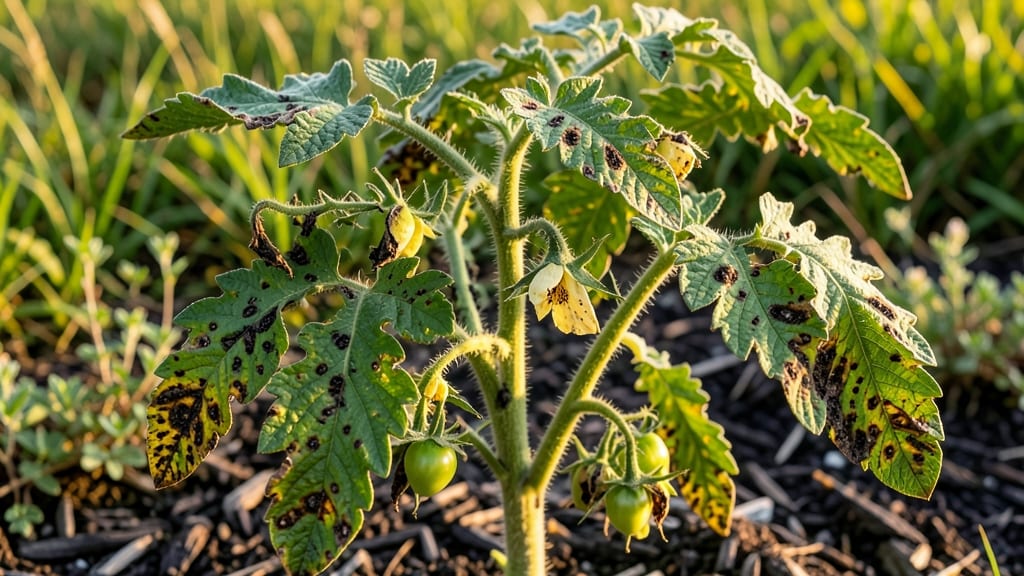
Seeing tomato plant fungus pictures can save your garden before a single leaf turns brown—because early action is the difference between a thriving harvest and a lost season.
If your 🍅 tomato plants are showing strange spots, wilting leaves, or mysterious discoloration, you might be dealing with a fungal infection. Before you know it, your entire harvest could be at risk.
Visual identification is the first step to saving your garden, and these tomato plant fungus pictures will help you spot 12 common diseases early.
Fungal diseases like early blight, late blight, and powdery mildew don’t announce themselves—they sneak in quietly, leaving behind telltale signs only visible up close. Without quick action, they can spread faster than you can say "harvest season."
In this guide, I’ll walk you through how to recognize these diseases using real-life examples, what to do next if you spot them, and how to prevent them from ruining your 🍅 tomato plants before they even set fruit.
12 Tomato plant fungus pictures: visual guide to identifying common diseases
Fungal diseases can turn your thriving tomato plants into a battleground of spots, mold, and wilting if left unchecked. The key to saving your harvest is early detection—recognizing fungus symptoms before they spread.
I’ve seen firsthand how early blight can defoliate a plant in weeks, while powdery mildew leaves a chalky residue that stunts growth. These tomato fungus pictures will help you spot the warning signs and act fast.
Tomato fungal diseases often start with subtle clues: yellowing leaves, dark spots, or a fuzzy growth on stems. Some, like late blight, spread rapidly in humid conditions, while others, such as septoria leaf spot, create concentric rings on foliage.
Without intervention, these infections can reduce yields by up to 50%. The good news? Most can be managed with the right identification and treatment. Below, I’ve compiled a visual guide to the 12 most common tomato fungi, including their telltale signs and what to do next.
| Disease Name | Key Visual Symptoms | Affected Plant Parts | Severity Level |
|---|---|---|---|
| Early Blight | Brown, target-shaped spots with yellow halos; stems show dark lesions. | Leaves, stems, fruit | High (defoliation risk) |
| Late Blight | Greasy, dark brown spots with white mold; spreads rapidly in wet conditions. | Leaves, stems, fruit | Critical (can destroy plants in days) |
| Powdery Mildew | White, powdery coating on leaf surfaces; leaves yellow and curl. | Leaves, stems | Moderate (reduces photosynthesis) |
| Septoria Leaf Spot | Small, dark brown spots with gray centers; often in concentric rings. | Leaves | Moderate (defoliation over time) |
| Fusarium Wilt | Yellowing leaves starting at bottom; vascular discoloration (brown streaks in stems). | Stems, leaves | High (systemic, no cure) |
| Verticillium Wilt | Wilting and yellowing in patches; stems show dark streaks when split open. | Stems, leaves | High (persists in soil) |
| Alternaria Leaf Spot | Dark brown spots with concentric rings; often on lower leaves. | Leaves, fruit | Moderate (reduces yield) |
| Phytophthora Blight | Dark, water-soaked lesions on stems; fruit rots at calyx. | Stems, fruit | Critical (soil-borne) |
| Anthracnose | Dark sunken spots on fruit; leaves show irregular brown patches. | Leaves, fruit | Moderate (ruins fruit quality) |
| Bacterial Spot | Water-soaked spots with yellow halos; oozes bacterial slime. | Leaves, fruit, stems | High (spreads via water) |
| Gray Mold (Botrytis) | Gray fuzzy growth on flowers, stems, and overripe fruit. | Flowers, fruit, stems | Moderate (worse in wet conditions) |
| Root Rot | Wilting despite moist soil; roots appear mushy and dark. | Roots, stems | Critical (plant death) |
Let’s start with the most common tomato fungus you’ll encounter: early blight. This disease appears as brown, circular spots with yellow edges on older leaves
How to confirm tomato fungus diseases: step-by-step diagnosis using pictures
When your tomato plants start showing suspicious symptoms, acting fast can mean the difference between saving your harvest and losing the whole plant. Fungal diseases often begin subtly, so I always start my diagnosis by examining the leaves, stems, and fruit for telltale signs.
The key is to compare what you see with tomato plant fungus pictures of known diseases—this visual guide will walk you through my exact process.
First, grab a pair of gardening gloves and a magnifying glass. Check the undersides of leaves first, as many fungal spores hide there. Look for unusual spots, discoloration, or mold growth.
If you spot anything suspicious, move to the next step to confirm your diagnosis before taking action. Remember, early detection is everything with fungal infections.
Step-by-Step Diagnosis Guide
- 1
- 2
- 3
- 4
- 5
Look for brown or black spots on upper leaves (early blight) or yellowing between veins (late blight). Check undersides for white, gray, or powdery mold. Use a magnifying glass to spot tiny spores.
Gently squeeze stems near the base. If they feel soft or mushy, it could indicate stem rot. Look for dark lesions or cankers that ooze when pressed—this is a sign of verticillium wilt.
Inspect tomatoes for dark, sunken spots (early blight) or white, fuzzy growth (powdery mildew). Cut open suspicious fruit—if the inside is discolored or mushy, it’s likely infected.
Use a clear tape strip (like packing tape) to press against infected areas. Stick it to a white piece of paper—if you see tiny black or gray dots, those are fungal spores. Compare with tomato plant fungus pictures to match the pattern.
If less than 10% of leaves are infected, act quickly with organic fungicides. If over 30% of the plant shows symptoms, consider removing the plant to prevent spread. For late blight or verticillium wilt, act immediately—these spread rapidly.
Once you’ve confirmed the disease using these steps, act fast. For early blight or powdery mildew, remove infected leaves and apply a baking soda spray (1 tsp baking soda + 1 quart water + a drop of dish soap).
For late blight, which is aggressive, remove all infected plants and sterilize tools with bleach to prevent spread.
I always keep a gardening journal to track symptoms and treatments. Take photos of infected areas and compare them with tomato plant fungus pictures online for future reference.
This helps me spot issues faster next season. If you’re unsure about the diagnosis, consult your local cooperative extension service—they often offer free plant clinics.
Don’t wait until your plants are wilting or fruits are rotting to act. Early intervention with the right tomato plant fungus pictures and diagnosis steps can save your entire harvest. Start checking your plants today—your future tomatoes will thank you! 🌱