
Planting
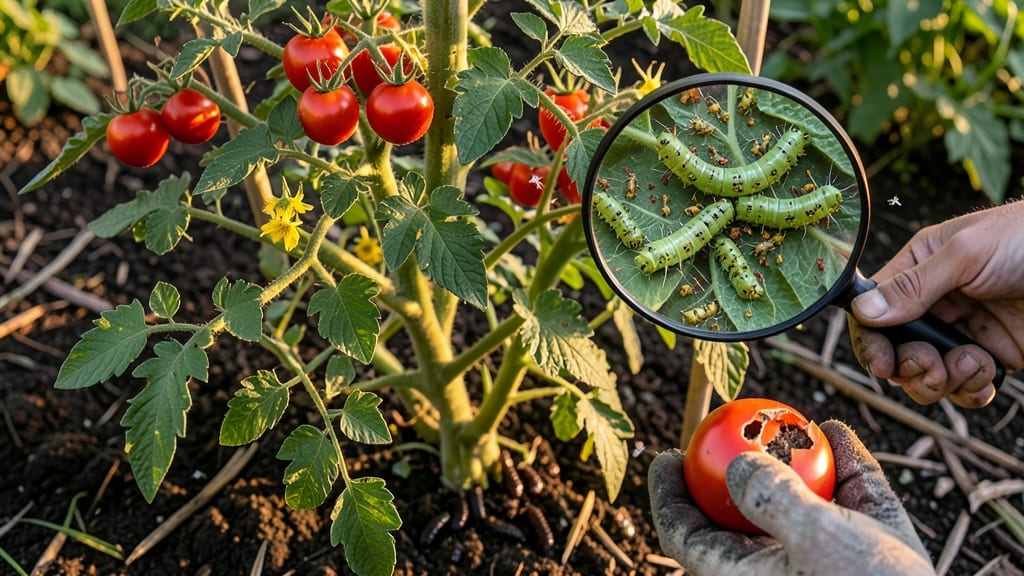
Common tomato plant pests can turn your thriving harvest into a nightmare before you even realize they’ve arrived. 🌱 I’ve lost entire batches to sneaky critters like aphids and hornworms, but I’ve also learned how to spot them early and stop them cold—before they turn your lush plants into Swiss cheese. The worst offenders include aphids, hornworms, whiteflies, and even slugs that chew through stems overnight. Each leaves telltale signs: curled leaves, skeletonized foliage, or sticky residue that signals a full-blown infestation. The key is catching them before they multiply, and I’ll show you exactly how. With the right mix of preventive sprays, companion plants, and quick action, you’ll protect your tomatoes without sacrificing flavor or yield. Your plants will stay strong, your harvest will thrive, and you’ll never panic when you spot the first tiny invader. This works for both organic and conventional gardeners—no fancy tools required. Let’s get your tomatoes back on track!
Root Causes of Tomato Plant Attacks
Tomato plants are a magnet for pests, but understanding why these critters target your garden is the first step to stopping them. Pests don’t attack randomly—they’re drawn by specific conditions that make your tomatoes look like an all-you-can-eat buffet.
Below, we break down the science behind the chaos, so you can outsmart these invaders before they strike.
Healthy tomato plants have natural defenses—thick skins, bitter compounds, and even sticky hairs that deter pests. But when plants are stressed, these defenses weaken, making them prime targets.
- Nutrient Deficiencies: Lack of nitrogen, phosphorus, or potassium weakens cell walls, making plants more vulnerable to chewing insects like hornworms or aphids. Think of it like a human with a vitamin deficiency—easier for germs to take hold!
- Overwatering or Underwatering: Soggy soil invites fungal diseases (which attract pests like slugs), while drought-stressed plants produce softer, more palatable leaves for beetles and caterpillars.
- Physical Damage: Pruning wounds or hail scars create entry points for pests like spider mites, which thrive in damaged tissue.
💡 Pro Tip: Rotate crops yearly to prevent soil-borne pests from building up, and use mulch to regulate moisture—keeping plants consistently healthy is your best defense!
Tomatoes emit volatile organic compounds (VOCs)—essentially chemical perfumes—that signal ripeness (or rot) to pests. Some insects are hardwired to seek out these scents, like moths laying eggs on overripe fruit or fruit flies swarming decay.
- Ethylene Gas: As tomatoes ripen, they release ethylene, a gas that attracts fruit flies and hornworms. It’s like a dinner bell for pests!
- Fermentation Smell: Bruised or rotting tomatoes emit alcohols and acids, luring beetles and slugs. Even a single spoiled tomato can trigger a pest party.
- Sugar Content: Sweeter, riper tomatoes are more attractive to sap-sucking pests like aphids and whiteflies.
🌡️ Quick Fix: Harvest tomatoes as soon as they’re ripe (even slightly underripe is better than overripe!). Remove fallen or damaged fruit immediately—pests will use it as a beacon.
Tomatoes with lush, unpruned growth create the perfect microclimate for pests—shady, humid, and hard to monitor. Thick leaves trap moisture, inviting fungal-loving pests like spider mites, while tangled vines shield larger invaders like stink bugs.
- High Humidity: Dense foliage reduces airflow, creating damp conditions ideal for mites and whiteflies. It’s like a sauna for soft-bodied pests!
- Shelter from Predators: Birds and beneficial insects (like ladybugs) avoid thick plants, giving pests like aphids free rein.
- Pruning Neglect: Without regular trimming, suckers and lower leaves create hiding spots for cutworms and earwigs.
✨ Prevention Hack: Prune aggressively—remove lower leaves to improve airflow and expose pests to sunlight (which they hate). Use trellises to elevate plants and reduce ground-level pest access.
Pests don’t just wander into your garden—they’re often pushed out of their natural habitats by changes in their ecosystem. Drought, urbanization, or even climate shifts can force them to seek out your tomatoes as a new food source.
- Drought Stress in Wild Areas: When native plants dry up, pests like Colorado potato beetles migrate to water-rich tomato gardens.
- Monoculture Farming Nearby: Large-scale tomato farms create "pest reservoirs." Insects develop resistance and spread to home gardens.
- Mild Winters: Pests like whiteflies and aphids survive harsher winters in greenhouses or urban heat islands, then explode in numbers come spring.
🎯 Long-Term Strategy: Plant companion flowers (like marigolds or basil) to attract beneficial predators. Avoid planting tomatoes in the same spot year after year—crop rotation disrupts pest life cycles.
Now that you know why pests target your tomatoes, the next step is identifying the culprits and acting fast to protect your harvest!
Quick Fixes for Tomato Plant Troubles
Got unwanted visitors feasting on your tomato plants? Don’t panic—most pest problems have simple, effective solutions. Below, we’ll match the most common tomato plant pests to their fixes, from quick remedies to long-term prevention. Follow these steps to save your harvest and keep your garden thriving!
🔥 How to Spot Them: These caterpillars can strip a plant bare in days! Look for large green worms (up to 4 inches) with white diagonal stripes and tiny horn-like projections at their rear.
🍳 How to Remove Them:
- Handpick them early in the morning when they’re sluggish (drop them in soapy water—no need for cruelty!).
- Encourage predators: Ladybugs, parasitic wasps, and birds love hornworms. Plant dill, fennel, or basil nearby to attract them.
- Neem oil spray: Apply in the evening to deter eggs and young larvae (reapply every 5–7 days).
💡 Prevention Tip:
- Interplant with marigolds—their scent repels hornworms.
- Check leaves daily during peak season (June–August) for early detection.
🔥 How to Spot Them: Clustered on new growth or undersides of leaves, these tiny (1/16-inch) green, black, or yellow insects leave sticky residue ("honeydew") that attracts mold.
👨🍳 How to Treat Them:
- Blast them off with a strong stream of water from a hose (aphids hate this!).
- Insecticidal soap or neem oil: Spray directly on infested areas (test on a small leaf first).
- Introduce lacewings or ladybugs: These natural predators devour aphids—buy them online or attract them with companion plants like yarrow or dill.
🌡️ Prevention Tip:
- Avoid over-fertilizing with nitrogen—aphids love lush, tender growth.
- Use reflective mulch (like aluminum foil) to disorient them.
🔥 How to Spot Them: Tiny (1/50-inch) red or yellow specks on leaves, often with fine webbing. Severe infestations cause stippled, yellowing leaves.
🥘 How to Eliminate Them:
- Spray with water: A strong shower knocks them off (do this in the morning so leaves dry quickly).
- Neem oil or horticultural oil: Apply when temperatures are below 90°F to avoid plant stress.
- Release predatory mites: Phytoseiulus persimilis mites eat spider mites—order them from garden centers.
🎯 Prevention Tip:
- Keep plants well-watered—drought stress attracts spider mites.
- Use a fan near plants to create air movement (mites dislike it).
🔥 How to Spot Them: Bright orange beetles with black stripes and yellow-orange larvae that skeletonize leaves.
🔪 How to Eradicate Them:
- Handpick adults and larvae (drop them in soapy water—do not crush, as they release a scent that attracts more beetles!).
- Diatomaceous earth: Sprinkle around the base of plants (reapply after rain).
- Row covers: Use lightweight fabric to block adults from laying eggs.
✨ Prevention Tip:
- Rotate crops—don’t plant tomatoes or potatoes in the same spot yearly.
- Plant trap crops like nasturtiums to lure beetles away.
🔥 How to Spot Them: Irregular holes in leaves or fruit, slimy trails on plants or soil, and chewed edges.
⏰ How to Trap Them:
- Beer traps: Bury a shallow container filled with beer—slugs crawl in and drown.
- Copper tape: Wrap around plant bases to give them a mild electric shock (they hate it!).
- Iron phosphate bait: Safe for pets and kids, this bait kills slugs within 48 hours.
💡 Prevention Tip:
- Remove hiding spots: Clear debris, boards, or dense mulch near plants.
- Plant slug-resistant companions: Garlic, chives, or thyme deter them naturally.
No matter the pest, cleanliness is key:
- Remove fallen leaves and debris weekly to eliminate hiding spots.
- Prune infected or heavily damaged foliage to improve airflow (pests love humidity).
- Rotate planting locations every 2–3 years to break pest cycles.
🍅 Pro Tip: For persistent problems, combine methods—e.g., handpick hornworms + introduce predators + use neem oil. Consistency is key! Most pests can be controlled without harsh chemicals if you act early.
Now grab your gloves and get to work—your juicy tomatoes are waiting! 🌱🍅
Frequently asked questions
What are the first signs that my tomato plants have pests?
Watch for curled or yellowing leaves, tiny holes in foliage, or sticky residue (honeydew) on leaves. Early signs also include chewed stems, white webbing (like spider mites), or black spots on fruit. Check undersides of leaves daily—most pests hide there!
Can I use homemade sprays to control tomato pests?
Mix 1 tablespoon of dish soap with 1 quart of water for aphids, or blend 1 garlic bulb + 1 quart water (strain and spray) to repel many pests. For hornworms, try neem oil spray (1 tbsp oil + 1 tsp mild soap per quart of water). Always test sprays on a small leaf first!
How do I know if my tomato pests are organic or chemical-resistant?
If pests return within 3-5 days after treatment, they may be resistant. Chemical-resistant pests often appear larger or more numerous than usual. Try rotating methods—combine handpicking, beneficial insects, and organic sprays for better results.
Are there any tomato varieties that naturally repel pests?
Yes! Try cherry tomato varieties like 'Solar Fire' or 'Tiny Tim'—their small size makes them less appealing to large pests. Varieties with hairy stems (like 'Indigo Rose') deter some insects, and heirloom types often have stronger natural defenses than hybrids.
What should I do if my tomato plants are already heavily infested?
Isolate the plant immediately to prevent spread. Prune all damaged leaves and dispose of them in sealed bags. For severe cases, apply horticultural oil or kaolin clay (a natural barrier). If organic methods fail, consider pyrethrin-based sprays as a last resort.