
Companion Plants
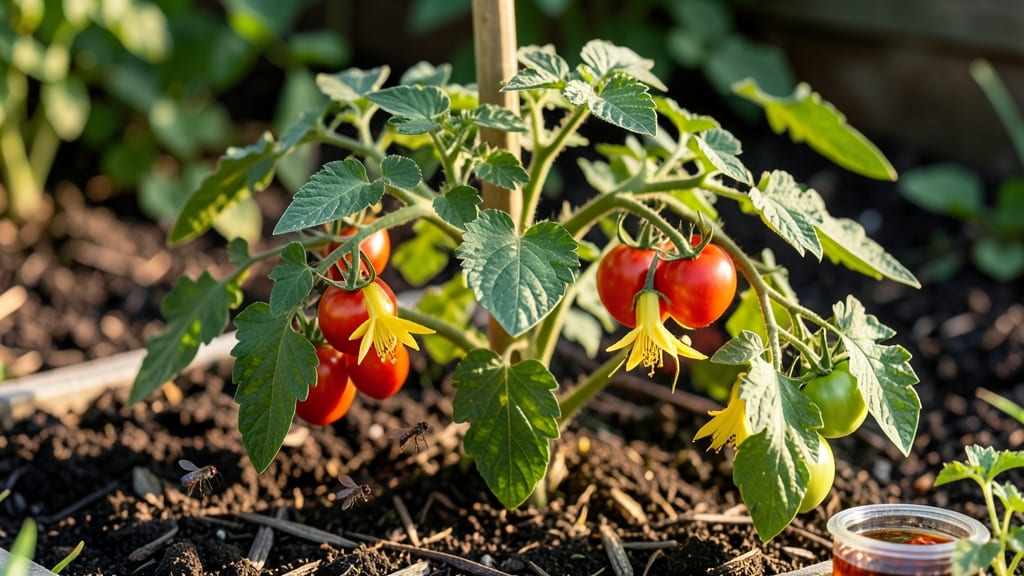
Fruit flies on tomato plants turn your homegrown harvest into a battleground. 🌱 I’ve watched these tiny pests ruin entire crops—until I discovered a two-step combo that works faster than store-bought sprays. The secret? Traps to lure them away and repellent plants to keep them from returning.
Most gardeners make one critical mistake: they only treat the flies, not the environment. Overripe fruit, damp soil, and cluttered garden beds create the perfect breeding ground. I learned the hard way—after my third failed tomato season—that sanitation and prevention matter just as much as traps.
A single overripe tomato can spawn hundreds of flies in days. Once you’ve cleared the infestation, you’ll see healthier plants with fewer damaged fruits. The key is acting fast—before the flies multiply—and using plants like basil and marigolds as natural barriers.
These aren’t just quick fixes; they’re long-term guards for your garden. This method works for greenhouse tomatoes, container plants, and in-ground beds alike. No more helplessly watching your harvest shrink—just a few simple steps to reclaim your garden. Let’s get started!
Root Causes of Tomato Invaders
Fruit flies—those tiny, buzzing pests—can turn your thriving tomato plants into a buffet, leaving behind wriggly larvae and stunted growth. But why do they show up in the first place? The answer lies in a mix of environmental cues, plant chemistry, and even your gardening habits.
Understanding these triggers is the first step to keeping your tomatoes fly-free. Here’s why these pests target your plants—and how they exploit your garden’s weaknesses.
Fruit flies (especially Drosophila melanogaster, the common vinegar fly) are drawn to fermenting sugars and organic decay. Your tomato plants become a hotspot when:
- Tomatoes ripen too quickly: Overripe or cracked fruit releases ethanol and acids, mimicking the scent of fermenting fruit—an irresistible signal to fruit flies. Even a single split tomato can trigger a swarm within hours.
- Harvest delays: Leaving tomatoes on the vine past their prime creates a "sugar trap." Flies detect volatile organic compounds (VOCs) like ethyl acetate and isoamyl acetate, which are byproducts of ripening and spoilage.
- Mechanical damage: Bruises, bird pecks, or hail create entry points for flies to lay eggs. The exposed flesh ferments faster, accelerating the problem.
Actionable fix: Harvest tomatoes promptly and remove any overripe or damaged fruit immediately. Store ripe tomatoes in the fridge to slow fermentation and reduce VOC emissions.
Fruit flies thrive in damp, organic-rich soil where larvae can burrow and pupate. Your garden might be unintentionally providing the perfect conditions:
- Overwatering: Soil that stays soggy for extended periods creates anaerobic zones where microbial activity produces acetic acid (the same compound in vinegar). Flies detect this as a sign of decay.
- Compost or mulch piles: Fresh compost or thick mulch layers trap moisture and heat, accelerating decomposition. Flies use these areas as "launchpads" to colonize nearby plants.
- Poor drainage: Clay-heavy or compacted soil prevents water from draining, leaving roots in a perpetually moist state. Larvae can survive here for weeks, emerging as adults to target your tomatoes.
Actionable fix: Improve drainage with organic matter (like perlite or coconut coir) and water deeply but infrequently. Avoid mulching too close to the plant stem, and keep compost bins at least 10 feet away from tomato beds.
Fruit flies are opportunistic feeders, and your garden might unknowingly host hidden fermentation sources that lure them to your tomatoes:
- Alcoholic spills: Even small amounts of beer, wine, or fermented liquids spilled near plants can create a scent trail. Flies follow these odors to lay eggs in nearby soil.
- Fallen fruit or debris: Dropped apples, peaches, or even tomato scraps left on the ground ferment within 24–48 hours. A single piece of fruit can spawn hundreds of flies.
- Compost tea or manure tea: While nutrient-rich, homemade compost teas can ferment if left too long. The resulting vinegar-like smell attracts flies before they even reach your tomatoes.
Actionable fix: Clean up fallen fruit and organic debris daily. Store alcoholic beverages in sealed containers away from garden edges, and avoid using fermented liquids as soil amendments near tomato plants.
Not all plants are equal when it comes to fruit fly attraction. Some companions draw flies away from tomatoes, while others unintentionally invite them:
| Attracts Flies | Why? | Repels Flies | Why? |
|---|---|---|---|
| Citrus trees | Rotting citrus fruit emits strong fermentation scents. | Basil | Contains eugenol, a compound that masks tomato odors. |
| Overgrown weeds (e.g., dandelions) | Decaying weed matter produces VOCs flies love. | Marigolds | Release limonene, disrupting fly navigation. |
| Corn or grain crops | Starchy residues attract flies seeking moisture. | Garlic or chives | Sulfur compounds deter egg-laying. |
Actionable fix: Plant basil, marigolds, or garlic near tomato beds to create a natural barrier. Remove citrus trees or weeds within 20 feet of your tomatoes to break fly scent trails.
💡 Pro Tip: Fruit flies are most active in warm, humid conditions (70–85°F). Monitor your garden’s microclimate—shade cloth or drip irrigation (instead of overhead watering) can reduce humidity and make your plants less appealing.
Natural Ways To Outsmart Tomato Pests
Fruit flies (or vinegar flies) and other small pests can turn your thriving tomato plants into a buffet—and fast. But don’t reach for harsh chemicals just yet!
With a mix of traps, repellents, and garden tweaks, you can kick these critters to the curb without harming your plants or the planet.
Below, we’ve mapped out practical, science-backed fixes based on the most common causes of infestations, plus prevention tips to keep your tomatoes fly-free for the season.
Fix: Remove the Allure + Set Up Traps Fruit flies zero in on fermenting or decaying fruit—your tomatoes’ weak spot. Here’s how to break their cycle:
- 🍅 Harvest & Toss Early Pick tomatoes before they fully ripen (green or slightly pink) if they’re prone to spoiling. Store them indoors to ripen naturally, away from flies. Pro tip: 💡 Freeze overripe tomatoes for soups or sauces instead of leaving them on the vine.
- 🕵️♂️ DIY Vinegar Trap (24-Hour Solution) Fill a small bowl with apple cider vinegar + a drop of dish soap. Cover loosely with plastic wrap, poke tiny holes, and place near plants.
Flies fly in but can’t escape. Upgrade it: 🔥 Add red food coloring—flies are attracted to the color!
- 🌡️ Bury Problem Fruit If a tomato splits or rots, bury it deep in the soil (away from the plant) or toss it in a sealed bag. Flies won’t dig it up!
Fix: Disrupt Their Lifecycle + Confuse Them Fruit flies lay eggs in moist, shaded areas. Stop them before they hatch!
- 👨🍳 Neem Oil Spray (Natural Egg Killer) Mix 1 tsp neem oil + 1 tsp mild soap + 1 quart water. Spray early morning on leaves and stems. Neem disrupts their reproductive cycle. Safety note: ✨ Avoid spraying in direct sun—it can burn leaves.
- 🌿 Companion Plants as Bodyguards Plant basil, mint, or marigolds near tomatoes. Their strong scents mask tomato aromas and repel flies naturally. Bonus: 💪 Basil also improves tomato flavor!
- 🔪 Prune for Sun & Airflow Thin out crowded foliage so light and air circulate. Flies love damp, shaded spots—remove hiding places!
Fix: Barrier Defense + Long-Term Habits When flies keep coming back, you need layered protection:
- 🛡️ Physical Barriers
- Fine mesh netting over plants (like butterfly netting) blocks flies entirely.
- Yellow sticky traps (hang near plants) catch adults before they lay eggs.
- 🌱 Soil Health = Fewer Flies Aerate soil and reduce watering if it’s soggy—flies love moisture. Add compost or worm castings to boost plant resilience.
- 🚫 Avoid Over-Fertilizing Too much nitrogen = soft, sweet fruit = fly magnet. Use a balanced fertilizer (like 5-5-5) and follow package rates.
- 📅 Weekly Inspections: Check leaves, stems, and fruit for eggs (tiny white specks).
- 🌞 Morning Watering: Water early so foliage dries by afternoon.
- 🗑️ Clean Up Debris: Remove fallen leaves, weeds, and old plant matter.
- 🍅 Rotate Crops: If you grew tomatoes in the same spot last year, move them—flies remember!
Final Thought: Flies may be tiny, but they’re no match for smart gardening. Combine traps, repellents, and good habits, and your tomato plants will stay pest-free—and delicious! 🍅💚
Frequently asked questions
Why do fruit flies keep coming back even after I remove the overripe tomatoes?
Fruit flies have a short lifecycle (7-10 days) and can multiply rapidly. Even one missed egg or larva in soil can hatch into hundreds of flies. Check for hidden breeding spots like buried fruit, compost piles, or damp mulch. Use traps with apple cider vinegar near problem areas to catch emerging adults.
Will neem oil harm my tomato plants if I spray it too often?
Neem oil is safe when used correctly, but overuse can stress plants. Stick to every 7-10 days max, and always spray early morning to avoid leaf burn. Dilute properly (1 tsp neem oil + 1 tsp soap per quart of water) and avoid spraying flowers to protect pollinators.
Can I use commercial fruit fly sprays instead of homemade solutions?
Yes, but check for pyrethrin-based sprays (derived from chrysanthemums) which are effective but may harm beneficial insects. For organic gardens, stick to spinosad (fermentation-based) or kaolin clay sprays. Always follow label instructions—overuse can create resistance.
How do I know if my tomato plant has fruit fly larvae inside?
Cut open a suspicious tomato—look for tiny white maggots (larvae) or black specks (frass, their waste). Inspect stems and leaves for tiny white eggs (size of a pinhead). If you find larvae, remove all affected fruit immediately and treat soil with beneficial nematodes to kill hidden pests.
Are fruit flies on tomato plants the same as fungus gnats?
No, they're different pests with distinct habits. Fruit flies target ripening fruit, while fungus gnats prefer moist soil and seedlings. Fruit flies are attracted to fermentation scents, while gnats are drawn to decaying organic matter. Use yellow sticky traps for fruit flies and sand or diatomaceous earth for gnats.