
Leaf Blower
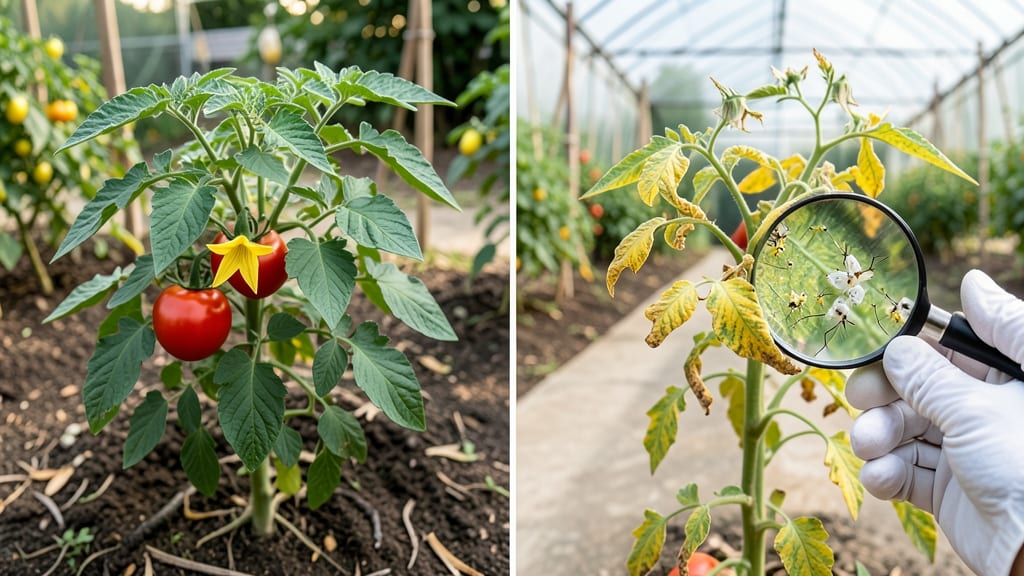
When your tomato plants develop curled, yellowing leaves that stunt growth, Tomato Yellow Leaf Curl Virus (TYLCV) is likely the culprit—and it spreads faster than you think. 🌱 I’ve battled this stubborn virus in my garden, and the key to saving your plants starts with early action.
The moment you spot those telltale symptoms, your tomatoes have already lost ground, but quick intervention can still protect your harvest.
The virus hitches a ride on tiny whiteflies, turning your garden into a feeding ground for these invisible pests. Without control, they’ll spread TYLCV to every susceptible plant—tomatoes, peppers, even eggplants—within weeks.
The damage isn’t just cosmetic; infected plants produce fewer, smaller, and often deformed fruits, making prevention your best defense.
Here’s the good news: removing infected plants immediately stops the spread, while resistant varieties and fine mesh netting keep whiteflies at bay. Organic controls like neem oil and reflective mulch disrupt their life cycle, giving your garden a fighting chance.
With the right approach, you can reclaim your tomato patch before the season’s over.
This guide covers everything from identifying symptoms to controlling whiteflies organically, so you can act fast and protect your plants—no matter how severe the infestation. Let’s turn this around before your tomatoes become a lost cause.
Root Causes Of Leaf Deformities
When your tomato plants start showing the classic signs of yellowing, curling, and stunted growth—hallmarks of a viral infection like Tomato Yellow Leaf Curl Virus (TYLCV)—the problem almost always traces back to a mix of biological and environmental factors.
Understanding these causes is the first step to stopping the spread and saving your garden. Here’s why this stubborn virus takes hold and how it wreaks havoc on your tomatoes.
The primary culprit behind TYLCV outbreaks is the Bemisia tabaci whitefly, a tiny, sap-sucking insect that’s nearly invisible to the naked eye. These pests don’t just damage plants—they transmit the virus while feeding.
- How it spreads: Whiteflies excrete a sticky substance called honeydew while feeding, which can harbor the virus. When another whitefly lands on a healthy plant, it picks up the virus particles and spreads them through its saliva.
- Why it’s deadly: Unlike many plant viruses, TYLCV can’t survive long outside a host. Whiteflies act as vectors, ensuring the virus jumps from plant to plant with every feeding session.
- Actionable insight: A single whitefly can lay hundreds of eggs in its lifetime, so early detection is critical. Check the undersides of leaves for tiny white specks or a faint yellowing pattern—these are red flags.
TYLCV thrives in hot, dry conditions, particularly in regions with temperatures above 80°F (27°C). Poor airflow in crowded gardens or greenhouses only accelerates the problem by trapping whiteflies and increasing humidity—ideal conditions for both pests and virus transmission.
| Factor | How It Helps the Virus Spread | How to Fix It |
|---|---|---|
| High temperatures | Speeds up whitefly reproduction and weakens plant defenses. | Use shade cloth in peak summer or grow heat-tolerant tomato varieties (e.g., Solar Fire or Heatmaster). |
| Stagnant air | Traps whiteflies and increases humidity, prolonging their lifespan. | Space plants 18–24 inches apart and use fans to improve airflow. |
| Overcrowding | Creates microclimates where whiteflies and viruses thrive unchecked. | Thin out plants and remove infected foliage immediately. |
Healthy tomato plants can resist TYLCV better than stressed ones. When plants are already struggling—due to nutrient deficiencies, overwatering, or transplant shock—they become easy prey for both whiteflies and the virus.
- Nutrient deficiencies: A lack of phosphorus or potassium weakens cell walls, making it easier for whiteflies to penetrate and inject the virus.
- Overwatering: Soggy soil attracts whiteflies and other pests while suffocating roots, reducing the plant’s ability to fight off infections.
- Transplant shock: Recently transplanted tomatoes are 3x more susceptible to viral infections because their root systems haven’t fully adapted.
Pro tip: 💡 Hardening off seedlings (gradually exposing them to outdoor conditions) and using balanced fertilizer (10-10-10) can bolster plant resilience before the growing season peaks.
Even if your current crop is healthy, TYLCV can lurk in soil, compost, or gardening tools from previous infected plants. The virus can persist on dead plant debris or in the gut of whiteflies that overwinter in greenhouses or mulch.
- Soil contamination: If you’ve grown tomatoes in the same spot year after year, residual whitefly eggs or virus particles may still be present.
- Tool transmission: Pruners, trellises, or stakes used on infected plants can carry virus-laden sap to healthy ones.
- Seed transmission (rare but possible):strong> While TYLCV doesn’t typically spread through seeds, whitefly-infested seedling trays can introduce the virus early in the season.
Action steps: ✨ Solarize soil (cover with clear plastic for 4–6 weeks in summer to kill pests/viruses). ✨ Disinfect tools with a 10% bleach solution or rubbing alcohol between uses. ✨ Rotate crops—avoid planting tomatoes, peppers, or other solanaceae in the same spot for at least 3 years.
How to Fix Yellowing, Curled Tomato Leaves
If your tomato plants are showing signs of yellow leaf curl, don’t panic—there are practical steps you can take to manage the issue and protect your garden. While Tomato Yellow Leaf Curl Virus (TYLCV) has no cure, you can slow its spread, strengthen your plants’ resilience, and prevent further damage.
Below are targeted solutions based on the most common causes, from immediate fixes to long-term prevention.
The fastest way to stop the virus from spreading is to eliminate infected plants before it jumps to healthy ones.
- 🍅 Pull up or prune any tomato plants showing yellowing, curling, or stunted growth.
- 🔪 Burn or bag the infected foliage (do not compost it—this can spread the virus).
- 🌱 Monitor nearby plants for new symptoms and remove them promptly.
Pro Tip: 💡 If you’re unsure whether a plant is infected, check for small, curled leaves, stunted growth, or a yellowing pattern starting at the leaf edges. Early removal is key!
Healthy plants are less susceptible to viruses.
Boost your tomatoes’ defenses with these nutrient and care strategies: - 💧 Water deeply at the base (avoid overhead watering, which can spread the virus via aphids). - 🌱 Use balanced fertilizer (10-10-10 or organic options like compost) to promote strong growth. - ☀️ Provide shade cloth (30-50%) if your region has intense sunlight, as heat stress weakens plants. - 🌿 Mulch around plants to retain moisture and reduce soil-borne stress.
Pro Tip: 🌡️ Avoid nitrogen-heavy fertilizers—too much can make plants soft and more vulnerable to pests (and viruses).
Since aphids are the primary carriers of TYLCV, keeping them in check is critical.
- 🔍 Inspect leaves daily for tiny green, black, or white insects clustered on new growth.
- 💦 Spray with water to dislodge aphids (early morning is best).
- 🌿 Introduce beneficial insects like ladybugs, lacewings, or parasitic wasps (they eat aphids naturally).
- 🧴 Use neem oil or insecticidal soap (spray in the evening to avoid harming bees).
Pro Tip: ✨ Plant marigolds or basil nearby—these repel aphids and attract pollinators that keep pests in balance.
Stopping TYLCV before it starts saves your garden from heartbreak.
- 🌿 Choose resistant varieties like ‘Heatmaster,’ ‘Solar Fire,’ or ‘Defiant PhR’ (bred to tolerate TYLCV).
- 🌍 Rotate crops—don’t plant tomatoes (or other solanaceae like peppers/eggplants) in the same spot yearly.
- 🧼 Sterilize tools (pruners, gloves) with rubbing alcohol between plants to avoid cross-contamination.
- 🚫 Remove weeds—they can harbor aphids and viruses.
Pro Tip: 🎯 Start seeds indoors if your climate is hot—young transplants are less stressed and more resilient when moved outside.
| Cause | Immediate Fix | Long-Term Prevention |
|---|---|---|
| Infected plants | Remove & destroy plants | Monitor plants weekly |
| Aphid infestation | Spray with water/neem oil | Introduce predator insects |
| Weak plant health | Fertilize & mulch | Use shade cloth in extreme heat |
| Poor garden hygiene | Sterilize tools | Rotate crops & remove weeds |
By acting fast and staying vigilant, you can minimize damage and keep your tomato garden thriving—even in high-risk areas. While TYLCV is tough to beat, these strategies give your plants the best shot at survival! 🍅💪
Frequently asked questions
What are the first signs of Tomato Yellow Leaf Curl Virus in my plants?
Look for small, upward-curling leaves along with yellowing between leaf veins—these appear first on newer growth. You may also notice stunted stems and small, distorted leaves within 1-2 weeks of infection. The symptoms often start on the upper leaves and spread downward.
Can I save a tomato plant already infected with TYLCV?
Unfortunately, there's no cure for TYLCV, but you can prune severely infected foliage to slow symptom progression. Remove all curled or yellowed leaves immediately and sterilize your pruners with rubbing alcohol. The plant may still produce some fruit, but it's best to isolate it from healthy plants to prevent spread.
How do I prevent TYLCV in my greenhouse or indoor garden?
Install fine mesh netting (50-60 mesh) over vents and doors to block whiteflies completely. Use reflective mulch or aluminum foil around plant bases to confuse and repel whiteflies. Maintain good airflow with fans and inspect new plants for 2 weeks in quarantine before introducing them to your garden.
Will chemical pesticides eliminate TYLCV?
Chemical pesticides won't cure TYLCV, but they can help by controlling whiteflies—the virus carriers. Use systemic insecticides like imidacloprid (follow label instructions) or pyrethrin-based sprays as a last resort. For organic control, neem oil or kaolin clay disrupts whitefly feeding patterns and reduces transmission risk.
Can TYLCV survive in my garden soil from year to year?
The virus itself doesn't survive long in soil, but whitefly eggs and nymphs can overwinter in plant debris. To break the cycle, solarize your soil (cover with clear plastic for 4-6 weeks in summer) or practice 3-year crop rotation with non-solanaceous plants. Remove all plant debris and weeds that could harbor whiteflies.