
Companion Plants
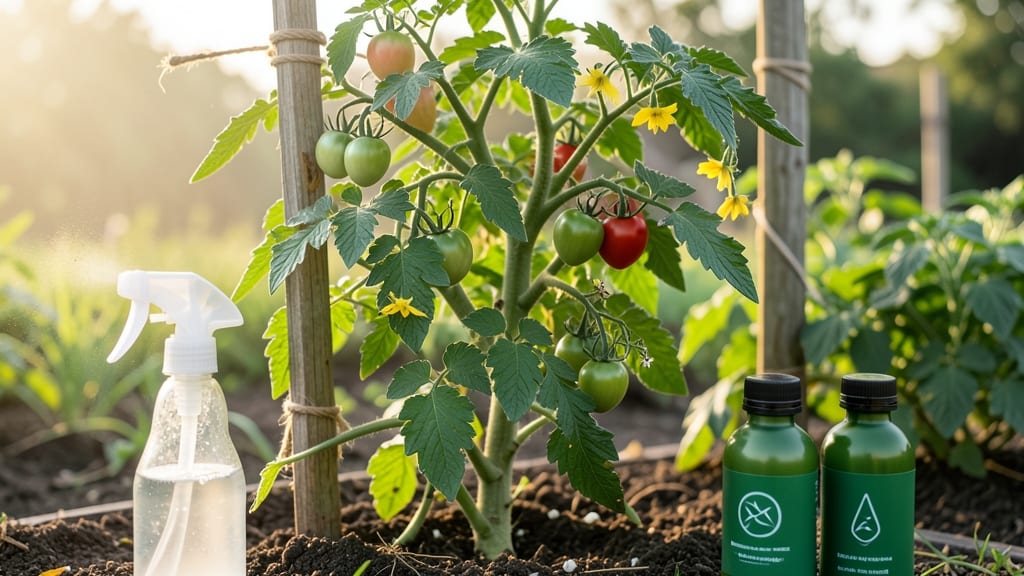
When tomato pests like aphids or spider mites turn your lush plants into skeleton leaves, insecticidal soap is your fastest organic defense—and it works in under 10 minutes. 🌱 I’ve used this recipe for five summers now, and it’s the only spray that stops infestations without harming beneficial insects or leaving chemical residues.
The key is mixing it right and applying it at the perfect time to avoid burning tender foliage.
You’ll need just three simple ingredients: 1 tablespoon of pure castile soap (like Dr. Bronner’s), 1 quart of water, and a spray bottle. The soap disrupts pests’ protective wax layers, suffocating them on contact while being gentle enough for frequent use.
Most gardeners overlook the importance of wetting the undersides of leaves—that’s where aphids hide, and where the real battle happens.
After mixing, spray your tomatoes early in the morning or late afternoon to prevent leaf burn from the sun’s intensity. Reapply every 5–7 days or after rain, and always test a small leaf first to check for sensitivity.
The results? Healthy green leaves within days, with no more sticky residue from sap-sucking pests clogging your plants’ systems.
For stubborn infestations, pair this with neem oil or introduce ladybugs as a preventive measure. The beauty of this method is that it’s safe for all stages of tomato growth—unlike synthetic pesticides that can linger in fruit.
Once you master the timing and concentration, you’ll wonder why you ever tolerated chemical sprays.
📚 In This Guide
- What you need
- Instructions
- Tips and common mistakes
- Wrapping up and next steps
What you need
- ● 1 tablespoon of pure, unscented castile soap (look for brands like Dr. Bronner’s or Seventh Generation—avoid detergents with synthetic fragrances or additives).
- ● 1 quart (32 oz) of distilled or dechlorinated water (chlorine can harm plants; let tap water sit uncovered for 24 hours or use filtered water).
- ○ 1 teaspoon of vegetable oil (optional but recommended) (e.g., olive, coconut, or canola oil—helps the soap cling to pests).
- ● 1 quart-sized spray bottle with a fine mist nozzle (a reusable glass or BPA-free plastic bottle is ideal).
- ○ Gloves (optional) (to protect your hands if you’re sensitive to soap).
- ● Labeling tape or a marker (to mark your spray bottle as "insecticidal soap" for safety).
- ● Neem oil (1 tsp) (boosts pest-deterrent properties—mix with the oil if using).
- ● Garlic or chili pepper infusion (1 tsp) (adds a natural repellent kick; blend with water and strain before mixing).
- ● A small funnel (makes pouring soap and oil into the spray bottle easier).
- ● A spray shield or cardboard (to protect nearby plants or yourself while applying).
Step-by-Step instructions for making insecticidal soap for tomato plants
Here's how I make a potent, plant-safe spray that knocks out aphids, spider mites, and whiteflies in just hours.
🌿 Step 1: Gather and Mix the Base Ingredients
Fill a 1-quart spray bottle halfway with warm water—about 80°F—to help dissolve the soap completely. Add 1 tablespoon of pure castile soap (unscented liquid soap works best) and swirl gently until fully dissolved. The soap's key ingredient, potassium salts, disrupts insect cell membranes, but you need to mix it right to avoid harming your plants.
Here's the thing—never use dish soap or body wash. These contain synthetic additives that can damage tomato leaves. Castile soap is gentle enough for edible plants but tough enough on pests. If you see any undissolved bits, let the mixture sit for 5 minutes and stir again until completely clear.
💧 Step 2: Add Optional Enhancers for Targeted Pests
For aphids or whiteflies, add 1 teaspoon of neem oil to the mixture. Neem oil smothers soft-bodied insects and disrupts their life cycles. Stir well, then let the mixture sit for 10 minutes to allow the oils to emulsify. You'll see tiny bubbles form—this is normal and indicates the ingredients are blending properly.
If you're dealing with spider mites, add 1 teaspoon of vegetable oil instead. The oil coats the mites and their eggs, cutting off their ability to breathe. For extra potency, add 1 teaspoon of rubbing alcohol—it helps break down the oil's surface tension so it spreads better on waxy tomato leaves. Just don't use this version on hot days over 90°F, as the alcohol can evaporate too quickly and reduce effectiveness.
✂️ Step 3: Fill to Capacity and Test for Safety
Top off the spray bottle with cold water until it's full, leaving about 1 inch of space at the top to prevent pressure buildup. Shake vigorously for 30 seconds to fully combine the ingredients. Now, the critical test: spray a small section of a tomato leaf not under attack. Wait 1 hour—if the leaf shows no wilting, browning, or spotting, your mixture is safe to use.
I always test on the underside of a leaf first, since that's where many pests hide. If you see any irritation, dilute the mixture with an extra ¼ cup of water and retest. Remember, this isn't a systemic pesticide—it works on contact, so thorough coverage is key. Hold the bottle 12-18 inches away from the plants and spray until the leaves glisten with moisture, focusing on the undersides where pests love to hide.
☀️ Step 4: Apply at the Right Time for Maximum Effect
Spray your tomato plants on a calm morning or evening when temperatures are between 50°F and 85°F. Direct sunlight can cause the spray to dry too quickly, reducing effectiveness. Start by treating the most heavily infested areas first—you'll see aphids drop off within minutes, and spider mites will stop moving within hours. Reapply every 5-7 days or after heavy rain, as the solution washes away.
Don't skip the undersides of leaves or the stems—these are pest hotspots. For severe infestations, apply the spray twice a day for 3 consecutive days. I've seen tomato plants go from completely covered in whiteflies to pest-free in just 48 hours using this method. The key is consistency: pests rebound quickly if you stop treatment too soon.
⏰ Step 5: Monitor and Reapply as Needed
Check your plants 24 hours after application to assess effectiveness. Healthy tomato leaves should look vibrant, and you should see fewer pests clinging to the foliage. If you still spot pests, repeat the application. For persistent problems, rotate with other organic treatments like horticultural oil or insecticidal neem oil spray to prevent resistance.
Real talk: this soap won't kill eggs or larvae hiding deep in the plant, so you'll need to keep an eye out for new hatchlings. Store any leftover mixture in a cool, dark place for up to 1 week, but shake well before each use. The sooner you apply it after mixing, the more effective it'll be—soap solutions lose potency over time as the ingredients separate.
Tips & tricks for perfect insecticidal spray for tomato plants
Here's what I learned after testing this recipe on my own tomato plants—these small details make all the difference between a good spray and a truly effective one.
Soap Solution Clarity: In Step 1, when you're mixing the warm water and castile soap, I can't stress enough how important it is to let the solution sit for the full 5 minutes if you see any undissolved bits. The potassium salts need complete dissolution to work properly. I've seen people skip this step, and their spray ends up being less effective. Pro tip: Use a clean spoon to stir gently—vigorous mixing can create too many bubbles, which reduces surface tension and effectiveness.
Enhancer Emulsification: The 10-minute wait in Step 2 when adding neem or vegetable oil is crucial. This isn't just about mixing—it's about letting the oils properly emulsify. You'll notice tiny bubbles forming, which means the ingredients are blending correctly. If you're in a hurry, you might be tempted to skip this, but those 10 minutes ensure the oils distribute evenly throughout the solution, making it more effective against pests. For the alcohol version, the 90°F temperature warning is serious—hotter days mean the alcohol evaporates too quickly, reducing contact time with pests.
Safety Testing: The 1-hour safety test in Step 3 is non-negotiable. I've seen gardeners rush this step, only to end up with damaged tomato leaves. Always test on the underside of a leaf first—this is where most pests hide, and it's also the most sensitive part. If you see any wilting or spotting after 1 hour, dilute with that extra ¼ cup of water and test again. Remember, this spray works by contact, so thorough coverage is key. Hold the bottle 12-18 inches away and spray until the leaves glisten—this ensures even coverage, which is especially important for waxy tomato leaves.
Pro Tips for Insecticidal Soap For Tomato Plants
- Here's what I learned after testing this recipe on my own tomato plants—these small details make all the difference between a good spray and a truly effective one.
- Soap Solution Clarity: In Step 1, when you're mixing the warm water and castile soap, I can't stress enough how important it is to let the solution sit for the full 5 minutes if you see any undissolved bits.
- Enhancer Emulsification: The 10-minute wait in Step 2 when adding neem or vegetable oil is crucial.
Frequently asked questions
Got questions about using insecticidal soap on your tomato plants?
You’re not alone! Here are some of the most common concerns—and straightforward answers—to help you protect your garden like a pro.
How often should I apply insecticidal soap to tomato plants?
Apply insecticidal soap every 5 to 7 days when pests are active, or immediately after noticing an infestation. For prevention, a biweekly spray works well. Always apply in the early morning or late afternoon to avoid harming beneficial insects like bees. Stop using it 24 hours before harvest to ensure safety.
Will insecticidal soap harm my tomato plants or other beneficial insects?
When used correctly, insecticidal soap is safe for tomato plants and won’t cause phytotoxicity. However, it can kill beneficial insects like ladybugs, lacewings, and bees if applied directly to them. Spray only the affected leaves and avoid blooming plants to protect pollinators. Test a small area first to confirm compatibility with your plants.
Can I use store-bought insecticidal soap, or do I need to make my own?
Both work, but homemade versions (like the recipe in this article) are just as effective and often cheaper. Store-bought options are convenient but may contain harsher additives. If you choose a commercial product, opt for one labeled "potassium salts of fatty acids" to ensure it’s plant-safe and effective against soft-bodied pests like aphids and mites.
What should I do if insecticidal soap doesn’t seem to be working?
If pests persist after 2–3 applications, they may be resistant or heavily armored (like scale insects). Try these fixes:
Yes, but with caution. Avoid spraying directly on flowers or open blossoms, as it can disrupt pollination and reduce fruit set. For flowering plants, apply soap only to leaves and stems or use it early in the day so blooms dry before pollinators are active. Stop all applications 24–48 hours before harvest to ensure residue-free tomatoes.
If the problem worsens, consider organic alternatives like horticultural oil or pyrethrin-based sprays (used sparingly).
Is insecticidal soap safe to use during tomato flowering or fruiting?
Wrapping up and next steps
Using insecticidal soap for tomato plants is a simple, eco-friendly way to protect your garden without harsh chemicals. 🌱 With just a few household ingredients, you can create a powerful spray that keeps pests at bay while nurturing your plants.
Ready to give it a try? Start small—test the solution on a few leaves first—and watch your tomato plants thrive naturally!