
Planting
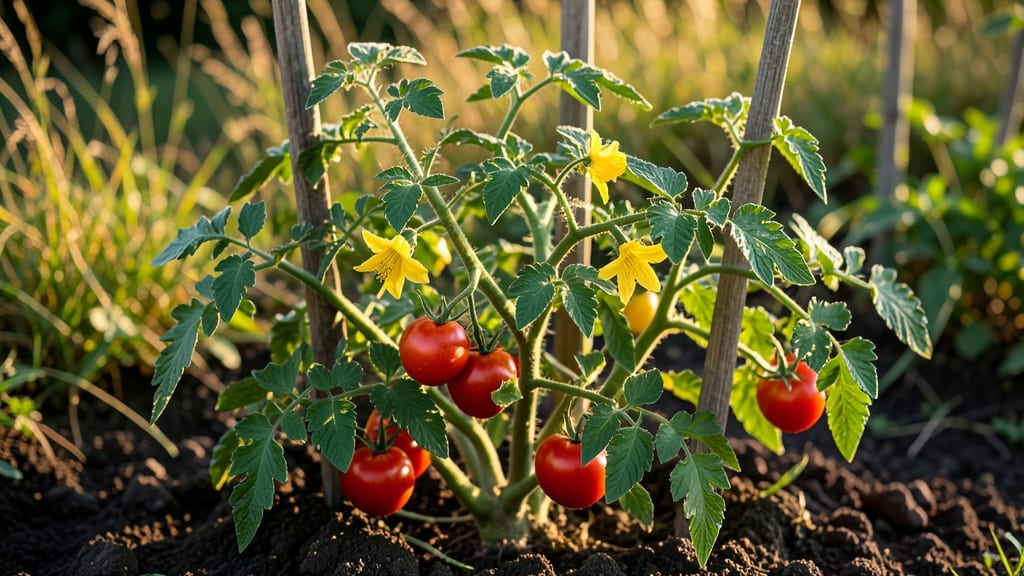
Seeing yellowing tomato plant foliage doesn’t mean your harvest is doomed—it’s a fixable problem. 🌱 I’ve saved dozens of plants from this exact issue, and the solution comes down to three targeted steps that address the real cause, whether it’s overwatering, nutrient deficiency, or early blight.
The first move is checking the soil moisture with your finger—if it’s soggy, you’re overwatering. Tomato roots need air, not a swamp. Then inspect the undersides of leaves for pests like aphids or spider mites, which suck the life out of foliage faster than you’d think.
A strong spray of water or neem oil usually clears them out within a week. By the time you’re done, your plants will be putting energy back into fruit instead of struggling to recover.
The yellow patches fade, new growth emerges a vibrant green, and you’ll be back on track for a bountiful harvest. The key is acting fast before the problem spreads to the rest of the plant.
This works for container tomatoes, raised beds, or in-ground gardens—just adjust the watering schedule based on your soil type. Let’s get those leaves healthy again!
📚 In This Guide
- What you need
- Instructions
- Tips and common mistakes
- Wrapping up and next steps
What you need
- ● Pruning shears – Clean, sharp scissors or small pruners (sterilize with rubbing alcohol before use).
- ● Balanced fertilizer – 10-10-10 or 20-20-20 NPK ratio (½ to 1 tbsp per plant, diluted in water).
- ● Epsom salt (magnesium sulfate) – 1 tbsp per gallon of water (for magnesium deficiency).
- ○ Copper fungicide – Optional but helpful for fungal issues (follow label instructions).
- ● pH test kit – To check soil acidity (ideal: 6.0–6.8).
- ● Organic mulch – Straw, shredded leaves, or grass clippings (2–3 inches thick).
- ● Garden trowel or fork – For gently loosening soil around roots.
- ● Watering can or hose with adjustable nozzle – For deep, even watering.
- ● Gloves & knee pads – Protect your hands and joints!
- ● Spray bottle (small) – For diluted foliar sprays (e.g., neem oil).
- ● Notebook & pen – To track progress and symptoms.
- ● Access to sunlight – Tomatoes need 6–8+ hours of direct sun daily.
- ● Well-draining soil – Avoid waterlogged conditions.
- ● Patience! – Recovery may take 1–2 weeks.
How to revive tomato plant foliage when leaves start yellowing
Yellowing tomato leaves don't mean game over—here's how to diagnose and fix the problem fast.
🌿 Step 1: Diagnose the Cause by Checking Leaves and Roots
Start by examining the yellowing pattern. If the older bottom leaves yellow first while new growth stays green, it's likely normal aging. But if yellowing spreads upward or appears suddenly, you're dealing with a problem. Gently pull up one plant and inspect the roots—healthy roots should be firm and white, not mushy or black.
Check the undersides of leaves for pests like aphids or spider mites. These tiny invaders suck sap, causing leaves to yellow and curl. If you spot them, you'll know the issue is pest-related. Also, feel the soil moisture—if it's soggy, overwatering is likely the culprit.
💧 Step 2: Adjust Watering and Improve Drainage Immediately
Tomatoes hate soggy roots. If the soil feels damp more than an inch below the surface, cut back watering until the top 2-3 inches of soil feel dry to the touch. Water deeply but infrequently—aim for 1-1.5 inches per week, delivered at the base of the plant rather than overhead.
For container-grown tomatoes, ensure pots have drainage holes and never let them sit in saucers of standing water. If your garden soil drains poorly, mix in 2-3 inches of compost around the base to improve aeration. Mulch with 2-3 inches of straw to retain moisture and prevent soil-borne diseases.
✂️ Step 3: Prune Damaged Foliage and Boost Nutrients
Use clean, sharp pruners to remove any yellow or diseased leaves right at the stem junction. This prevents pathogens from spreading and helps the plant focus energy on new growth. Never prune more than 20% of the foliage at once—tomatoes need leaves to create food through photosynthesis.
Fertilize with a balanced 10-10-10 or 5-5-5 formula if leaves show nitrogen deficiency (yellowing between veins). For magnesium deficiency (yellowing between veins on older leaves), apply Epsom salt (1 tablespoon per gallon of water) as a foliar spray. Always water plants thoroughly after fertilizing to prevent root burn.
☀️ Step 4: Optimize Light and Airflow for Recovery
Tomatoes need 6-8 hours of direct sunlight daily. If your plants are shaded, move them to a sunnier spot or supplement with a grow light for 14-16 hours per day. Leggy growth with pale leaves signals insufficient light—adjust pruning to focus energy on fruit production rather than foliage.
Improve airflow by spacing plants 18-24 inches apart and pruning suckers (the shoots that grow between the stem and branches). Good airflow reduces humidity around leaves, preventing fungal diseases like early blight that cause yellowing spots. If you're growing in containers, ensure they're not crowded.
Tips & tricks for reviving tomato plant foliage
Here's what nobody tells you about saving your tomato plants before it's too late.
Diagnosis is Key: When checking leaves in Step 1, focus on the yellowing pattern—if it starts at the bottom and moves upward, it's likely a nutrient issue or disease. But if you see sudden yellowing on newer leaves, it's probably overwatering or pests. I've seen gardeners miss this distinction and treat the wrong problem!
Watering Wisdom: In Step 2, the "top 2-3 inches dry" rule is crucial. Use a screwdriver to check moisture—if it slides in easily, you're overwatering. For containers, weigh them before watering: if they feel light, it's time. And never water overhead—this spreads disease and encourages fungal growth.
Pruning Precision: When removing damaged leaves in Step 3, cut at the stem junction, not mid-leaf. This prevents pathogens from entering the plant. Also, sterilize your pruners with rubbing alcohol between cuts to avoid spreading disease. I've lost plants because I skipped this step!
Light Boost: If your tomatoes need extra light in Step 4, place grow lights 6-12 inches above the plants for those 14-16 hours. Too close and you'll burn leaves; too far and they won't get enough light. I use a simple LED grow light on a timer for consistent results.
Pro Tips for Tomato Plant Foliage
- Here's what nobody tells you about saving your tomato plants before it's too late.
- Diagnosis is Key: When checking leaves in Step 1, focus on the yellowing pattern—if it starts at the bottom and moves upward, it's likely a nutrient issue or disease.
- Watering Wisdom: In Step 2, the "top 2-3 inches dry" rule is crucial.
Frequently asked questions
Got questions about tomato plant foliage?
You’re not alone—yellowing leaves can be frustrating, but knowing the right steps makes all the difference. Here are some of the most common concerns (and solutions!) from gardeners just like you.
Why are my tomato plant leaves turning yellow?
Yellowing foliage is usually a sign of overwatering, underwatering, nutrient deficiencies, or disease. Start by checking the soil moisture—it should feel damp but not soggy. Also, inspect the undersides of leaves for pests or spots. If the yellowing is even (not just edges), it’s likely a watering issue. Uneven yellowing? Could be nutrient-related!
How often should I water tomato plants to prevent yellow leaves?
Tomatoes need 1–1.5 inches of water per week, but consistency is key. Water deeply at the base (not overhead) in the morning to reduce evaporation and fungal risks. Let the top inch of soil dry out between waterings—overwatering is a top culprit for yellowing leaves. Mulch around the base to retain moisture and keep roots stable!
Can I still save my tomato plant if the leaves are mostly yellow?
Yes! Prune only the worst-affected leaves (sterilize your shears with rubbing alcohol first) to redirect energy to healthy growth. If the stems are still firm and green, the plant may recover. Focus on fixing the root cause (water, nutrients, or pests) and avoid stressing the plant further. With care, you might still get a decent harvest!
What’s the difference between yellow leaves from overwatering vs. disease?
| Overwatering | Disease (e.g., early blight, fungal issues) |
|---|---|
| Leaves turn pale yellow and feel soggy; roots may smell foul. | Yellowing is often spotted or brown with dark rings or lesions. |
| Wilting despite wet soil. | Leaves may curl or drop; white mold or spots appear. |
| Fix: Adjust watering and improve drainage. | Fix: Remove infected leaves, use fungicide, and space plants for airflow. |
What’s a quick fix for yellow leaves if I’m in a hurry?
For an immediate boost, try:
- Fertilizer flush: Use a balanced liquid fertilizer (like 10-10-10) diluted to half-strength.
- Prune & refresh: Trim yellow leaves and repot if roots are crowded (use fresh, well-draining soil).
- Adjust sunlight: Move plants to partial shade if leaves are scorched (but not too little light!).
While these help short-term, addressing the root cause (like proper watering or disease prevention) will keep your plant thriving long-term.
Wrapping up and next steps
Healthy tomato plant foliage is the foundation of a thriving harvest, and with the right care, your plants can bounce back stronger than ever! 🌱 By diagnosing the root cause—whether it’s overwatering, pests, or nutrient deficiencies—you’ve taken the first step toward lush, vibrant leaves. Remember: patience and consistency are key—your tomatoes will thank you with juicy, flavorful rewards!
Ready to put your new skills into action? Start by inspecting your plants weekly and adjusting care as needed. Need more tips? Explore our tomato-growing guide for year-round success!