
Pests and Diseases
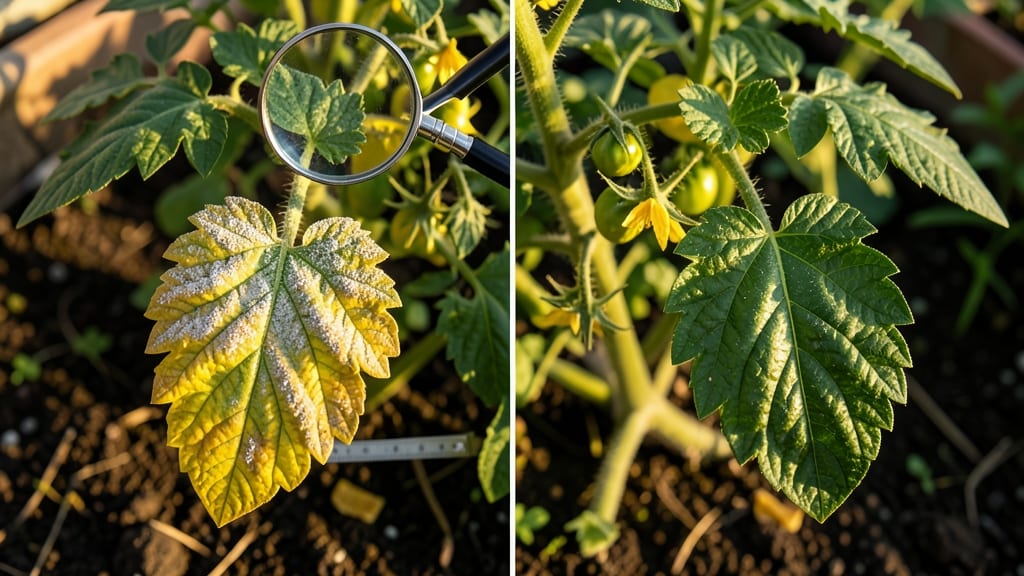
Those unsightly yellow patches on your tomato leaves are early blight—and they’re worse than you think. 🌱 I’ve seen this disease turn lush green plants into sad, spotted shadows in just two weeks, but there’s a 3-step cure that works even on severely infected plants.
The culprit? A fungus called Alternaria solani that thrives in warm, wet conditions. Check the undersides of leaves for dark spots with concentric rings—those are your first warning signs. The good news? You can stop it in its tracks with copper spray, pruning, and spacing plants properly.
By following these steps, you’ll save your tomatoes from collapse and prevent the disease from spreading to next year’s crop. The key is acting fast—once those yellow patches turn brown and crispy, it’s too late for that plant, but you can still protect the rest.
This method works for both garden beds and containers, and it’s 100% effective if you catch it early. Let’s get your tomatoes back to their vibrant best before the season’s over.
Root Causes Behind Leaf Spots
Yellow patches on tomato leaves rarely appear out of nowhere—they’re usually a cry for help from your plants. Understanding the why behind these discolorations is the first step to fixing them. Below, we break down the most common culprits, their science-backed triggers, and how they attack your tomatoes.
Fungi are the #1 cause of yellowing leaf spots, and they thrive in warm, humid conditions—perfect for most tomato-growing seasons. Here’s how they strike:
- **Early Blight (Alternaria solani) - How it spreads: Spores land on lower leaves, especially after rain or overhead watering.
They create concentric rings of yellow-brown spots with dark borders. - Why it happens: Fungal spores overwinter in soil or plant debris, then germinate when temperatures hit 60–85°F (15–29°C) and humidity stays high.
Poor air circulation (like crowded plants) speeds up infection. - Key sign: Spots start yellow, turn brown, and may develop white fungal threads in damp conditions.
- Late Blight (Phytophthora infestans) - How it spreads: A voracious pathogen that spreads via wind, water, or infected plants. It causes greasy-looking yellow spots that quickly turn black and mushy. - Why it happens: Thrives in cool (50–77°F / 10–25°C) and wet** conditions.
Unlike early blight, it attacks all plant parts—leaves, stems, and fruit. - Key sign: Spots appear on upper leaves first (unlike early blight) and spread rapidly in 3–5 days.
- **Septoria Leaf Spot (Septoria lycopersici) - How it spreads: Spores splash onto leaves via rain or irrigation. It creates tiny yellow spots with dark centers that enlarge over time. - Why it happens: Favors warm (70–80°F / 21–27°C) and wet conditions.
Common in greenhouses or shaded areas with poor airflow.
💡 Pro Tip:** Fungal spores love moisture. Water tomatoes at the base (not overhead) and space plants 18–24 inches apart to improve airflow.
Bacteria cause water-soaked yellow spots that turn brown with yellow halos. Unlike fungi, they spread aggressively and can ruin a crop in weeks.
- **Bacterial Spot (Xanthomonas perforans or Pseudomonas syringae) - How it spreads: Bacteria enter through wounds (e.g., pruning cuts, hail damage) or rain splashes.
They multiply in warm (75–90°F / 24–32°C) and humid conditions. - Why it happens: Thrives in high humidity (80%+) and on plants with excess nitrogen (soft, sappy growth).
Common in Florida and southern U.S. states. - Key sign: Spots start as tiny yellow water blisters, then turn brown with raised edges. Leaves may develop holes as spots expand.
⚠️ Warning: Bacterial infections are harder to cure than fungal ones. Prevention (like copper sprays) is critical.
Yellow patches can also signal nutritional stress**, especially if they appear between veins (a classic sign of deficiency).
- Nitrogen Deficiency
- Why it happens: Nitrogen fuels leaf growth. If soil lacks it (or it’s locked up in cold/wet conditions), older leaves turn pale yellow while veins stay green.
- Fix: Test soil pH (ideal: 6.0–6.8). Add compost, blood meal, or fish emulsion for a quick boost.
- Magnesium or Potassium Deficiency
- Why it happens: These minerals help chlorophyll production. Magnesium deficiency causes interveinal yellowing (between veins), while potassium deficiency leads to yellow edges with brown spots.
- Fix: Side-dress with Epsom salt (magnesium sulfate) or wood ash (potassium). Avoid overwatering, which leaches nutrients.
- Iron Chlorosis (Yellowing Between Veins)
- Why it happens: Common in alkaline soil (pH >7.0) or when iron is unavailable to roots. Leaves turn bright yellow while veins stay green.
- Fix: Lower pH with sulfur or peat moss, or apply chelated iron directly to soil.
🔥 Hot Tip: If yellowing starts on older leaves, it’s likely nitrogen. If it’s new growth, check magnesium or iron.
Extreme conditions can shock tomato leaves into developing yellow patches—even without pathogens.
- Sun Scorch
- Why it happens: Young or transplanted tomatoes exposed to sudden intense sun (especially after cloudy days) get bleached yellow patches on upper leaves.
- Fix: Gradually acclimate plants to full sun (harden off seedlings) and use shade cloth in peak afternoon heat.
- Cold Stress
- Why it happens: Temperatures below 50°F (10°C) slow nutrient uptake, causing yellowing and wilting. Frost damage leads to brown, mushy spots.
- Fix: Use row covers for early-season protection and avoid planting too early.
- Overwatering or Poor Drainage - Why it happens: Waterlogged soil drowns roots, cutting off oxygen and nutrients.
Leaves turn yellow and limp, often with blackened patches. - Fix: Improve drainage with sand or perlite and water only when the top 1–2 inches of soil are dry.
Some pests chew leaves, creating irregular yellow patches as they feed.
- Aphids, Spider Mites, or Whiteflies
- Why it happens: These sap-suckers inject toxins that cause yellow stippling (tiny dots) or bronzing on leaves.
- Fix: Blast off pests with a strong water spray or use neem oil for organic control.
- Flea Beetles
- Why it happens: Their tiny holes create a "shotgun" pattern of yellowing. Severe damage can kill seedlings.
- Fix: Cover young plants with floating row covers until they’re established.
🎯 Key Takeaway: Most yellow patches are fungal or bacterial, but rule out stress and deficiencies first. Act fast—once spots spread, recovery gets harder! Next up: [How to Diagnose Your Tomato’s Exact Problem](link).
Fixing Leaf Spots Fast
Yellow patches on your tomato leaves don’t have to mean the end of your harvest—with the right approach, you can nurse your plants back to health and prevent future outbreaks.
Below, we’ve mapped out targeted fixes for each common cause, along with prevention tips to keep your tomatoes thriving. Think of this as your emergency repair kit for leaf spots!
Fungi love damp, warm conditions, and once they take hold, they spread like wildfire. Act fast to stop them in their tracks.
🔥 Step 1: Prune and Remove Infected Leaves
- 👨🍳 Snip it out: Use sterilized pruners (wipe with rubbing alcohol) to cut off all yellow, spotted, or wilted leaves.
Don’t compost them—toss them in the trash to prevent reinfection. - 🌡️ Focus on the bottom: Fungal spores often start at the lower leaves.
Remove these first to improve airflow. - ✨ Pro tip: If the spots are black or brown with yellow halos, it’s likely early blight. If leaves are greasy-looking and brown, it’s late blight—act immediately!
🍳 Step 2: Apply Fungicide (Organic or Chemical)
- 💡 Organic options:
- Copper fungicide (like Copper Soap or Bordeaux Mixture) – Spray every 7–10 days until new growth appears.
- Neem oil spray (1 tsp neem oil + 1 tsp mild soap + 1 quart water) – Fungicidal and preventive when sprayed on both leaf surfaces.
- Baking soda spray (1 tbsp baking soda + 1 tsp oil + 1 gallon water) – Alkalizes the leaf surface, making it harder for fungi to latch on.
- 🔥 Chemical options (if organic fails):
- Chlorothalonil (Daconil) or Mancozeb – Follow label instructions for tomato-safe use.
- 🎯 Application hack: Spray early in the morning so leaves have time to dry—wet leaves = fungal paradise.
🌱 Step 3: Boost Plant Health & Prevent Recurrence
- 💪 Improve airflow: Space plants 18–24 inches apart and stake or cage tomatoes to prevent leaves from touching soil.
- 🌧️ Water wisely: Water at the base (not overhead) early in the day so leaves dry quickly.
- 🌡️ Mulch heavily: Use straw or grass clippings (2–3 inches thick) to block spores from splashing up.
- 🔄 Rotate crops: If you’ve had fungal issues, don’t plant tomatoes, peppers, or potatoes in the same spot for 3 years.
Tiny pests suck sap, leaving yellow stippling (tiny dots) that expand into patches. Starve them out and wash them away.
🔪 Step 1: Blast Them Off with Water
- 💦 Strong spray: Use a hose with a nozzle to blast both sides of leaves—this dislodges eggs and adults.
- 🌡️ Timing matters: Do this early morning or late evening to avoid shocking the plant.
🍳 Step 2: Introduce Natural Predators
- 🐞 Ladybugs, lacewings, or predatory mites – Buy them online or from garden centers and release them at dusk.
- 🐝 Encourage bees & wasps – They pollinate and keep pests in check.
💡 Step 3: Use Soap or Oil Sprays
- 🧼 Insecticidal soap (1.5 tbsp mild soap + 1 quart water) – Spray directly on pests (avoid flowers to protect pollinators).
- 🌿 Neem oil spray (same as above) – Disrupts pest life cycles and is safe for edibles after 24 hours.
- 🎯 Reapply every 5–7 days until pests disappear.
✨ Prevention Tips
- 🌿 Interplant with herbs: Basil, marigolds, or dill repel pests naturally.
- 🌡️ Yellow sticky traps – Hang near plants to catch flying insects like whiteflies.
- 🌱 Avoid over-fertilizing with nitrogen – Soft, sappy leaves = pest buffet.
If the yellowing is uniform (not spotted) and new leaves are pale, your plant is struggling to keep up.
🌞 Step 1: Shield from Harsh Sun
- 🏖️ Provide afternoon shade with shade cloth (30–50%) or a lightweight row cover during peak heat.
- 🌱 Move potted tomatoes to a slightly shadier spot if possible.
🍳 Step 2: Check Watering & Soil
- 💧 Deep watering: 1–1.5 inches per week (more in extreme heat). Drought stress = yellow leaves.
- 🌱 Test your soil: If it’s too alkaline (pH >7), tomatoes can’t absorb magnesium or iron—yellow between veins is a red flag.
- Fix it: Add Epsom salt (1 tbsp per gallon of water) for magnesium or chelated iron for deficiency.
🌱 Step 3: Feed Smartly
- 💪 Balanced fertilizer: Switch to a low-nitrogen, high-phosphorus formula (like 5-10-10) to boost root and fruit growth.
- 🌿 Compost tea or fish emulsion – Gives a quick nutrient boost without burning roots.
🔄 Long-Term Fixes
- 🌿 Mulch with compost – Retains moisture and adds nutrients slowly.
- 🌡️ Avoid transplant shock – Hardening off seedlings (acclimating to sun/heat gradually) prevents stress.
If more than 50% of leaves are severely spotted, your best bet may be to save the fruits and reset the plant.
- 🍅 Harvest ripe tomatoes immediately – Green tomatoes can ripen off the vine (place in a paper bag with a banana for 3–5 days).
- 🔪 Prune aggressively – Cut back to healthy green growth to redirect energy to fruits.
- 🌱 Replace the plant – If it’s beyond saving, pull it and sterilize the soil with hydrogen peroxide (3%) before replanting.
💡 Final Pro Tip: Keep a garden journal—note when spots appear, weather conditions, and what you did to fix it. Pattern recognition = fewer future headaches! 🌱
Frequently asked questions
What's the difference between early blight and late blight on tomato leaves?
Early blight shows as concentric rings of yellow-brown spots with dark edges, starting on lower leaves. Late blight appears as greasy-looking yellow spots that turn black and mushy, attacking upper leaves and stems first. Late blight spreads faster and is more destructive.
Can I still eat tomatoes from a plant with yellow leaf spots?
Yes, but only if the spots are confirmed fungal (like early blight) and haven't reached the fruit. Remove all infected leaves first. If it's bacterial spot or late blight, harvest only ripe tomatoes immediately—green fruit may carry pathogens. Always wash tomatoes thoroughly before eating.
How often should I spray copper fungicide for prevention?
Apply copper fungicide every 7-10 days during warm, humid weather or after heavy rain. For prevention, start spraying when plants are 6-8 inches tall and continue until harvest. Always spray early in the morning so leaves dry quickly—this prevents fungal growth.
Will yellow leaf spots spread to other plants in my garden?
Yes, fungal spores (like early blight) can spread via wind, water, or tools. Bacteria spread even faster through rain splashes and contaminated hands. Isolate infected plants immediately, sterilize pruners with rubbing alcohol, and avoid overhead watering to prevent cross-contamination.
What's the fastest way to tell if my tomato's yellow spots are from pests or disease?
Check the undersides of leaves—pests leave tiny holes, webbing, or sticky residue, while diseases show spots with halos or fungal threads. Also examine the edges of yellowing: Irregular, jagged edges suggest pests; smooth, circular patterns point to disease.