
Tools
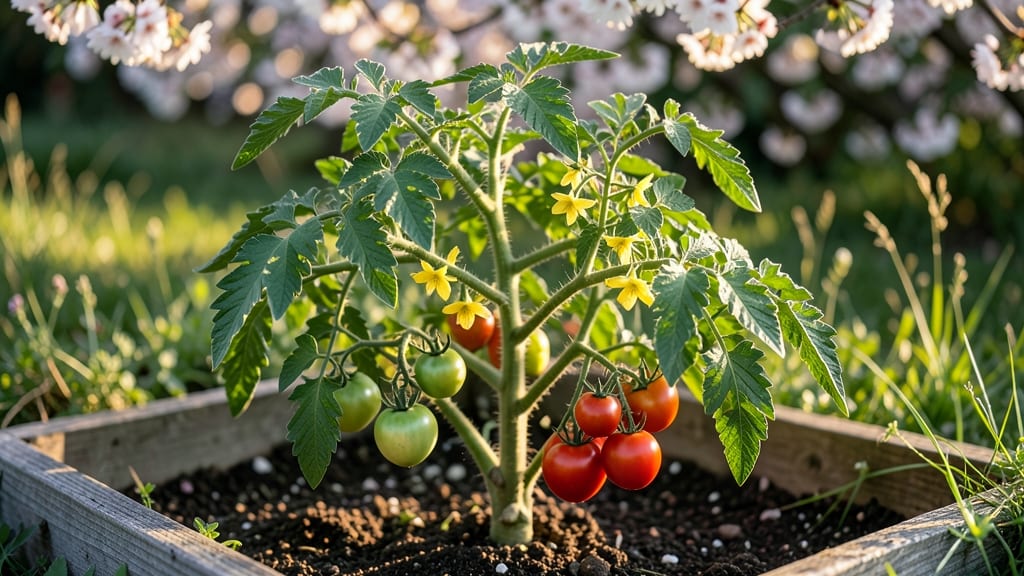
A Vernon, NJ tomato garden thrives with planting after the last frost date—typically mid-to-late April—using cold-hardy varieties like 'Early Girl' or 'Stupice' for early harvests, followed by heat-lovers like 'Beefsteak' in late May. Monitor soil temps (60°F+) and space plants 18-24 inches apart for optimal growth.
A Vernon, NJ tomato garden's success hinges on understanding the local climate patterns.
The region's transition from cool springs to hot summers creates a perfect window for multiple planting sessions, but timing is everything. 🌱 Early-season varieties like 'Stupice' can handle cooler soils, while 'Beefsteak' thrives once temperatures consistently stay above 70°F—typically after Memorial Day.
Local gardeners often swear by checking soil temperature with a thermometer rather than relying solely on air temperature forecasts, as Vernon's microclimates can vary significantly even within short distances.
What sets Vernon apart is its unique combination of USDA Zone 6b/7a characteristics with local factors like the nearby Ramapo River's influence on temperature regulation. This means gardeners should plan for potential late frosts in low-lying areas while higher elevations may warm up more quickly.
The key is to have both cold-tolerant and heat-loving varieties ready to go, allowing for staggered planting that extends your harvest season from early summer through fall.
💡 In This Article
- Vernon NJ Frost Dates and Microclimate Factors
- Best Tomato Varieties for Vernon NJ’s Season
Vernon NJ frost dates and microclimate factors
Vernon's frost-free window typically arrives between April 15-30, but this can shift by up to two weeks depending on elevation and proximity to water bodies. The Ramapo River creates a microclimate that moderates temperatures—areas near the water often experience 2-3°F warmer nights than inland spots at similar elevations.
This is because water absorbs and releases heat more slowly than land, acting like a natural insulator. At higher elevations (above 500 feet), cold air sinks and collects in valleys, potentially delaying warm-up by 5-7 days compared to ridge-top locations.
The science behind frost timing involves radiative cooling—when the sun sets, the ground loses heat rapidly, especially when skies are clear. Vernon's average last frost date falls around May 15, but gardeners should track soil temperatures, not just air temps, since seedlings need 60°F+ soil to thrive.
A simple soil thermometer placed 2 inches deep gives the most accurate reading. What most people don't realize is that air temperature can be 10°F warmer than soil temperature at night, which is why seedlings may show signs of stress even when daytime air temps feel comfortable. 🌡️
Local topography plays a crucial role too. The gentle hills of Vernon create "frost pockets" where cold air pools, while south-facing slopes warm up 30-60 minutes faster than north-facing areas.
This is why gardeners in Vernon often plant cold-hardy varieties like 'Stupice' on protected slopes and delay heat-lovers like 'Beefsteak' until after Memorial Day, when the risk of frost drops below 10%.
The USDA Zone 6b/7a designation gives a general guideline, but Vernon's microclimates demand this level of precision—especially for tomatoes, which are highly sensitive to temperature fluctuations.
Here's what actually happens when you plant too early: seedlings exposed to 32°F+ temperatures for more than 30 minutes suffer irreversible damage.
The cell walls rupture from ice crystal formation, and even if the plant survives, it develops weak root systems that struggle to support the vine's growth later in the season.
That's why professional gardeners recommend waiting until soil temps consistently stay above 60°F during the day and 50°F+ at night—this ensures robust root development before the plant puts energy into foliage and fruit production.
Consider these key factors when planning your Vernon tomato garden:
- Elevation: Higher areas warm up faster but may have more intense heat spikes in summer
- Water proximity: Areas within 500 feet of the Ramapo River stay 2-5°F warmer at night
- Aspect: South-facing slopes get 2-3 hours more sunlight daily than north-facing
- Soil type: Sandy loam warms up 1-2 days faster than clay-heavy soils
The best approach is to use Vernon's 30-year frost records as a baseline, then adjust based on your specific microclimate. For example, if you're near the river in a south-facing location, you might safely plant cold-hardy varieties 7-10 days earlier than someone gardening in a valley area.
Always have row covers ready—these can extend your planting window by 2-3 weeks by trapping heat and preventing frost damage. 🌱
Remember: the goal isn't just avoiding frost, but creating optimal growing conditions. Tomatoes need consistent warmth—not just the absence of cold. That's why Vernon gardeners often plant in staggered succession, putting out cold-tolerant varieties first, then heat-lovers as the season progresses.
This strategy maximizes your harvest window from early July through October. The key is matching each variety's temperature preferences with Vernon's seasonal progression.