
Vegetables
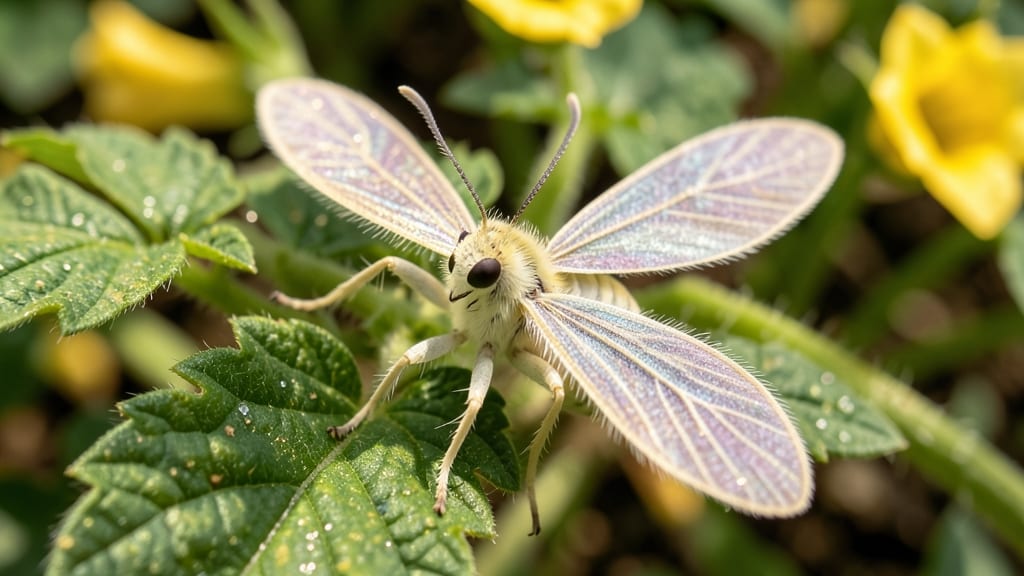
Those striped green caterpillars devouring your tomato plants aren’t just pests—they’re the larvae of hummingbird moths, and they’re actually a gardener’s secret weapon. 🌱 I’ve watched them turn struggling tomato plants into thriving vines by controlling hornworms naturally, without chemicals.
The key is learning to tell the good guys (moths) from the bad (hornworms) and working with their lifecycle.
Here’s the game-changer: hummingbird moths pollinate while their caterpillars eat tomato hornworms, which can strip a plant bare in days. The moths are harmless, but hornworms? They’re the green, spiky caterpillars that leave skeletonized leaves behind.
Handpick the hornworms at dusk when they’re sluggish, and let the moths do the rest—no sprays needed.
You’ll see fewer hornworms within a week, and your tomatoes will rebound faster. The moths even add beauty with their hummingbird-like flight. This isn’t just pest control; it’s turning your garden into a balanced ecosystem where predators and prey work together.
Works for any tomato variety, from cherry to heirloom, and scales from containers to full gardens. Let’s get your plants thriving—naturally.
Natural Attractions Drawn To Gardens
When you spot a hummingbird moth or a tomato hornworm feasting on your tomato plants, it’s not just bad luck—it’s nature’s way of responding to specific cues in your garden. These pests aren’t random visitors; they’re drawn by intentional signals you might be unknowingly sending.
Understanding why they show up helps you disrupt their cycle naturally. Let’s break down the key reasons these garden invaders appear and how to address them.
Tomato plants are like an all-you-can-eat buffet for these pests. Both hummingbird moths (especially the sphinx moth) and tomato hornworms are specialized feeders that target nightshades, including tomatoes, peppers, and eggplants. Here’s why:
- Chemical Attraction: Tomato plants release volatile organic compounds (VOCs) when stressed or damaged. These chemicals act as a dinner bell, signaling pests like hornworms and moths that a meal is nearby. Even healthy tomato plants emit subtle scents that attract adult moths looking to lay eggs.
- Host Plant Preference: Tomato hornworms (Manduca sexta) and sphinx moths have evolved to thrive on Solanaceae plants. Their caterpillars are biologically wired to seek out and devour these plants, making tomatoes a prime target.
- Early Planting Timing: If you plant tomatoes too early in the season, the plants may be more vulnerable. Young tomato seedlings are tender and less resistant to pest attacks, making them an easy target for moths and hornworms.
Actionable Fix: Plant tomatoes after the last frost when they’re stronger. Use resistant varieties like 'Cherokee Purple' or 'Mountain Merit,' which deter pests slightly better. Interplanting with basil or marigolds can also mask tomato scents and confuse pests.
Hummingbird moths (sphinx moths) are nocturnal pollinators, and their egg-laying habits are tied to specific conditions in your garden:
- Moonlight and Warm Nights: Moths are most active on warm, moonlit nights when temperatures hover between 70–80°F (21–27°C). These conditions make it easier for them to navigate and locate host plants. If your garden stays warm and humid at night, you’ll see more moth activity.
- Scent Trails from Flowers: While tomato plants attract them directly, nearby flowering plants (like datura or evening primrose) can lure adult moths into your garden. Once there, they’ll scout for tomato plants to lay eggs.
- Overripe or Damaged Fruit: Moths are drawn to tomatoes that are softening or showing signs of rot. The sugars and fermentation attract them, and they’ll lay eggs in these spots, ensuring their larvae have an easy food source.
Actionable Fix:
- 🌙 Reduce Nighttime Lighting: Use yellow or red bug lights instead of white lights, as these wavelengths are less attractive to moths.
- 🌸 Limit Night-Blooming Flowers: Avoid planting heavily fragrant night-bloomers near tomatoes. If you love night-scented flowers, place them far from your veggie patch.
- 🍅 Harvest Overripe Tomatoes: Pick tomatoes that are turning soft or showing signs of spoilage immediately to remove the scent signal.
Tomato hornworms don’t just appear out of nowhere—they start as tiny eggs laid by adult moths. Here’s how their lifecycle sets them up for success:
- Cryptic Egg Placement: Sphinx moths lay eggs on the undersides of leaves, where they’re hidden from predators and gardeners. A single female can lay 200–300 eggs in a season, and they hatch in just 3–5 days.
- Rapid Growth Cycle: Hornworm caterpillars grow astonishingly fast, reaching full size in about 2 weeks. This means a few missed eggs can turn into a full-blown infestation in no time.
- Camouflage Masters: Young hornworms are green with white stripes, blending perfectly into tomato foliage. Older caterpillars turn green with horn-like projections, making them even harder to spot until they’ve already done significant damage.
Actionable Fix:
- 🔍 Inspect Leaves Regularly: Check the undersides of leaves every 2–3 days during warm weather. Look for tiny green eggs (about the size of a pinhead).
- 🐛 Handpick Eggs and Larvae: Drop them into soapy water to kill them instantly. Even a few eggs removed can prevent an outbreak.
- 🌿 Use Row Covers Early: Install fine mesh row covers over seedlings to block moths from laying eggs in the first place.
These pests thrive under specific weather conditions, which explains why infestations spike at certain times of the year:
- Warm Springs and Summers: Hummingbird moths and hornworms are most active when temperatures are consistently above 60°F (15°C). In USDA Zones 7–10, this means late spring through early fall is peak season for them.
- Humidity Levels: High humidity (above 60%) creates ideal conditions for egg hatching and larval growth. Dry conditions slow their lifecycle, making them less of a threat.
- Sudden Temperature Shifts: If you experience a heatwave followed by rain, expect a hornworm explosion. Warmth speeds up their metabolism, while rain provides moisture for their development.
Actionable Fix:
- 🌡️ Monitor Weather Forecasts: If a warm, humid stretch is predicted, ramp up your scouting efforts.
- ☀️ Improve Airflow: Prune tomato plants to reduce humidity around foliage, making it less hospitable for pests.
- 💦 Water in the Morning: Avoid overhead watering in the evening, as damp leaves at night can encourage egg-laying and fungal issues.
Natural Ways To Stop Garden Invaders
Now that you understand why hummingbird moths and tomato hornworms target your garden 🌱, it’s time to take action! These pests may seem unstoppable, but with the right strategies, you can protect your tomatoes and other plants without resorting to harsh chemicals.
Below are practical, nature-friendly solutions tailored to the root causes—whether it’s attracting the wrong pollinators, failing to deter hornworms, or missing early warning signs.
---
If your garden is drawing in too many hummingbird moths (or other pests) while failing to support beneficial pollinators, the solution is balance and smart plant placement.
#### 🌿 Reduce the Buffet for Moths Hummingbird moths are drawn to bright flowers and sweet nectar—the same traits that attract bees and butterflies.
To minimize their impact: - Replace high-attraction plants near tomatoes with less appealing alternatives: - Swap petunias or salvias (moth favorites) for marigolds or basil (which repel moths naturally). - Plant nasturtiums as a sacrificial trap crop—they lure moths away from tomatoes. - Prune flowers strategically: If moths are clustering on blooms, trim spent flowers in the evening (when they’re most active) to remove their nighttime feeding spots.
#### 🐝 Boost Beneficial Pollinators Instead Not all moths are pests—some are harmless or even helpful.
Focus on encouraging bees and predatory insects that keep hornworm populations in check: - Add bee-friendly plants like lavender, borage, or alyssum to your garden edges. - Install a bee hotel or leave patches of bare soil for ground-nesting bees. - Avoid pesticides entirely—even "organic" sprays can harm pollinators.
--- Tomato hornworms can strip a plant bare in days 😱. The key is early detection and proactive defense.
#### 🔍 Scout Your Plants Daily - Check leaves and stems every 2–3 days, focusing on the undersides of leaves (their favorite hiding spot). - Look for frass (droppings)—hornworms leave green, pellet-like poop near their meals. - Watch for missing flowers/fruit: A sudden drop in blossoms or chewed tomatoes is a red flag.
#### 👨🍳 Manual Removal (The Most Effective Trick!) - Handpick hornworms in the early morning or evening (they’re sluggish then). - Drop them in soapy water (instant humane dispatch) or relocate them far from your garden (they’ll likely die from exposure or predators). - Pro tip: 💡 Wear gloves—hornworms have spiky bodies that can irritate skin!
#### 🐛 Introduce Natural Predators Hornworms have many enemies in nature. Encourage them with: - Parasitic wasps (like Cotesia congregata): They lay eggs inside hornworms, which then kill the caterpillar from within.
To attract them: - Plant dill, fennel, or parsley nearby—their larvae love these herbs. - Avoid disturbing soil where wasp pupae may overwinter. - Birds and lizards: Install birdhouses or bat boxes to attract hornworm hunters. - Praying mantises: They love eating hornworms—leave some leaf litter for them to hide in.
#### 🌿 Use Physical Barriers - Row covers: Lightweight floating row covers (made of fine mesh) can block moths from laying eggs while still allowing pollination. - Collars for young plants: Wrap cardboard or aluminum foil around tomato stems (remove when flowers appear to allow pollination). - Neem oil spray (as a last resort): Mix 1 tsp neem oil + 1 tsp mild soap in 1 quart water, spray early morning/evening, and reapply after rain.
--- Once you’ve dealt with an infestation, keep your garden resilient with these low-effort habits:
| Problem | Prevention Fix | Why It Works | |---------------------------|--------------------------------------------|--------------------------------------------| | Moths keep returning | Plant mint, lemongrass, or catnip near tomatoes. | Strong scents repel moths naturally. | | Hornworms return yearly | Rotate crops—don’t plant tomatoes in the same spot. | Disrupts their life cycle. | | Soil depletion | Add compost or worm castings in spring. | Healthier plants resist pests better. | | Lack of predators | Leave some "wild" areas (weeds, rocks). | Provides habitat for beneficial insects. | | Overwatering | Water early morning only (avoid evening). | Reduces moth egg survival (they need moisture). |
--- If your garden is overrun despite your best efforts, consider: - Beneficial nematodes (Heterorhabditis bacteriophora): Microscopic worms that kill hornworm larvae in the soil.
Apply in early evening with a watering can. - BT (Bacillus thuringiensis): A bacterial spray that’s safe for humans and pets but fatal to caterpillars. Reapply after rain. - Local pest control experts: Some garden centers offer natural predator releases (like ladybugs or lacewings).
--- Final Thought: 🎯 The goal isn’t perfection—it’s balance. A few hornworms or moths won’t ruin your harvest if you act early and support nature’s cleanup crew. With these strategies, your tomatoes will thrive without a single chemical in sight!
Frequently asked questions
How can I tell the difference between a hummingbird moth caterpillar and a tomato hornworm?
Look closely! Hummingbird moth caterpillars (sphinx moth larvae) are green with a white stripe down their backs and a small horn on their rear end. Tomato hornworms are larger, bright green with white diagonal stripes and have two prominent yellow \"horns\"—one on their head and one on their rear. The moth caterpillars are usually smaller and less aggressive feeders.
Are hummingbird moths actually helpful in my garden?
Yes! While their caterpillars eat tomato leaves, adult hummingbird moths are excellent pollinators—especially at night when bees aren't active. They also lay eggs that become food for birds and parasitic wasps, which help control hornworm populations. The key is balancing their presence with early pest management.
What's the best time of day to handpick tomato hornworms?
Early morning or late evening (before 9 AM or after 6 PM) is ideal. Hornworms are sluggish and easier to spot when temperatures are cooler. Avoid midday when they're more active and harder to find. Always wear gloves—their spiky bodies can irritate skin!
Will neem oil harm beneficial insects like hummingbird moths?
Neem oil is least harmful to adults but can affect caterpillars and larvae. For hummingbird moths, apply neem oil only as a last resort and avoid spraying flowers where adult moths feed. Instead, focus on handpicking and natural predators first. Always apply in the evening to minimize impact on pollinators.
How do I know if my tomato plants are stressed enough to attract hornworms?
Stressed plants show yellowing leaves, stunted growth, or wilting—these release chemical signals that attract hornworms. Healthy plants with good airflow and balanced nutrients resist pests better. Check for overwatering or nutrient deficiencies first, as these make plants more vulnerable to attacks.