
Blooming
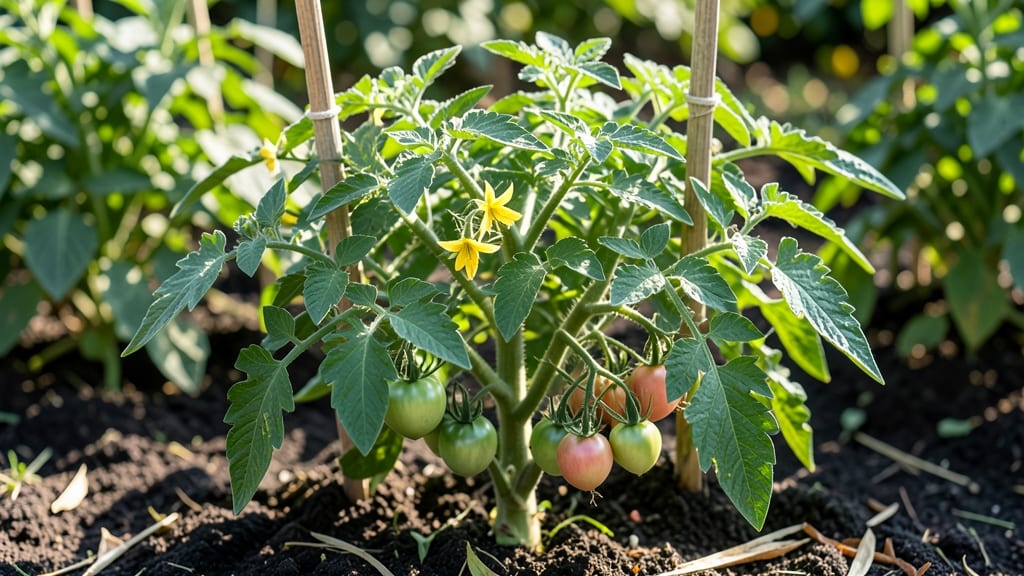
Tomato plants blooming means everything hinges on precision timing—and getting this wrong can mean a harvest of flowers instead of fruit. 🌸 I’ve watched my own tomato blossoms drop like snowflakes in spring, only to learn the hard way that temperature, humidity, and even the time of day matter more than most gardeners realize.
The difference between a lush vine of tomatoes and a sad display of yellowed flowers often comes down to understanding your USDA zone and adjusting care accordingly.
First, check your zone—Zones 4-7 need extra warmth to trigger pollination, while Zones 8-10 might struggle with heat stress. Morning sunlight and afternoon shade are non-negotiable, and humidity levels above 70% can cause blossom drop.
A gentle shake of the plant or a soft brush can help with pollination, but timing matters: do it on dry, warm mornings when bees are already active. Avoid overwatering, which can drown those delicate flowers before they even set fruit.
What you’ll end up with is a vine heavy with vibrant green tomatoes—not just a few stragglers. The key is consistency: keep soil moist but not soggy, fertilize lightly with phosphorus to encourage blooming, and watch for pests like hornworms that devour flowers before they can set.
Even a small adjustment, like moving a container to a sunnier spot or adding a fan for better air circulation, can turn a struggling plant into a fruit-producing powerhouse.
This works for both backyard gardens and container growers, though container plants may need extra attention to temperature swings. The payoff? A harvest that stretches from midsummer through fall, with fewer dropped blossoms and more tomatoes on the vine. Let’s get those flowers turning into fruit—properly this time.
📚 In This Guide
- What you need
- Instructions
- Tips and common mistakes
- Wrapping up and next steps
What you need
- ● Tomato plants (start indoors 6–8 weeks before last frost or transplant seedlings after danger of frost): Determinate varieties (bush): 1–2 plants per 18" of space
- ● Indeterminate varieties (vining): 1 plant per 2–3 feet (staking required)
- ● Well-draining potting mix (for seedlings): 10–15 lbs (sterilized, peat-based or coconut coir blend)
- ● Garden soil (for transplanting): Amended with compost (2–3 inches mixed into top 6–12 inches of soil)
- ● Balanced fertilizer (10-10-10 or 5-5-5): 1–2 lbs per 100 sq ft (or organic options like worm castings)
- ● Phosphorus-rich fertilizer (5-10-10 or bone meal): 1 tbsp per plant at transplanting
- ● Watering can or hose with gentle nozzle (avoid blasting flowers)
- ● Trowels or small shovel (for transplanting seedlings)
- ● Gloves (to protect hands from thorns and soil)
- ● Stakes or cages (for indeterminate varieties: 6–8 ft tall, 2–3 stakes per plant)
- ● Pruning shears (sterilized, for removing suckers and dead blooms)
- ○ Thermometer (optional but helpful for tracking soil/air temps in USDA Zones 3–10)
- ● Row covers or shade cloth (30–50% shade for hot zones like 9–10)
- ● Sunlight: Full sun (6–8+ hours daily) for blooming success
- ● Temperature: Seedlings: 70–80°F day, 60–65°F night
- ● Transplanted plants: Ideal blooming temps: 75–85°F
- ● Moisture: Consistent soil moisture (1–1.5 inches per week; drought stress = fewer blooms!)
- ● USDA Zone Awareness: Adjust timing based on your zone (e.g., Zone 5: start indoors by March 1; Zone 10: direct sow after Feb 15)
- ● Add Epsom salt (1 tbsp per gallon of water) as a foliar spray every 2 weeks for magnesium boost.
- ● Use bloom-boosting sprays (like fish emulsion 1-2-2) when flowers appear.
- ● For USDA Zones 3–4, consider a mini greenhouse to extend the season.
Precision timing for vibrant tomato blooms by USDA zone
Here's how to coax perfect flowers from your tomato plants using science-backed timing and zone-specific adjustments.
☀️ Step 1: Master Temperature Control for Flower Triggers
Tomatoes need daytime temperatures between 70-85°F and nighttime temps above 55°F to initiate flowering. In USDA Zones 1-4, wait until soil reaches 60°F before transplanting—cold roots delay blooming for weeks. I always check soil temp with a thermometer at dawn for accuracy.
If your zone runs cooler (like Zones 5-7), choose early-maturing varieties like 'Stupice' or 'Mountain Merit' that flower faster in lower temps. Avoid transplanting until after the last frost date—cold snaps shock plants and cause blossoms to drop before opening.
💧 Step 2: Adjust Watering for Optimal Flowering Conditions
Overwatering stresses tomato plants and prevents flowering. Water deeply once every 3-5 days when the top 2 inches of soil feel dry—never let soil stay soggy. I use a moisture meter to avoid guesswork; readings above 40% moisture signal it's time to water.
During flowering, reduce water slightly to every 4-6 days—this prevents blossom-end rot and encourages stronger flower stems. In Zones 8-10, morning watering prevents fungal diseases that thrive in humid afternoons, keeping plants healthy for consistent blooming.
⏰ Step 3: Time Light Exposure for Maximum Flower Production
Tomatoes need 8+ hours of direct sunlight daily to set flowers. In Zones 1-5, extend light with a 15-watt LED grow bulb for 2 extra hours if days shorten below 12 hours. I position lights 6 inches above plants and adjust height as stems grow.
Watch for leggy growth—stems stretching toward light with small leaves—this means insufficient light. Prune suckers (side shoots) only after plants establish 3-4 main stems to avoid weakening them before flowering begins.
🌱 Step 4: Use Strategic Fertilization for Blooming
Switch to a low-nitrogen, high-phosphorus fertilizer (like 5-10-10) when plants reach 18 inches tall. Phosphorus triggers flower development, but too much nitrogen delays blooming. I apply fertilizer every 2 weeks during flowering, following label rates precisely.
In Zones 9-11, reduce fertilizer frequency to every 3 weeks—heat stress causes plants to burn easily. Always water fertilizer in to prevent root damage, and avoid applying after 4 PM to prevent leaf scorch.
✂️ Step 5: Prune and Support for Healthy Blooms
Remove suckers (the small shoots between main stems and branches) when they're less than 2 inches long—larger suckers drain energy from flower production. I prune with clean shears to avoid tearing stems, and dispose of clippings immediately to prevent disease.
Install cages or stakes before flowering begins—support prevents stems from snapping under heavy fruit loads, which stresses plants and causes blossom drop. In windy Zones 6-8, secure plants with soft ties to prevent stem damage during storms.
Tips & tricks for perfect tomato flowering
These science-backed strategies will help you maximize blooms across all USDA zones—no guesswork required.
Soil Temperature Check: The 60°F soil threshold in Zones 1-4 isn't just a number—it's when roots activate their flowering hormones. I've seen transplants sit for weeks waiting for this temp, so grab a soil thermometer at dawn (morning temps are most accurate). For Zones 5-7, use cold-hardy varieties like 'Stupice' that can tolerate slightly cooler soils while still flowering reliably.
Watering Precision: That 40% moisture reading on your meter isn't arbitrary—it's the sweet spot where roots absorb water efficiently without triggering stress responses that delay blooming. In Zones 8-10, I've found morning watering (before 9 AM) prevents fungal pressure that competes with flowering energy. The key is consistency: same time, same amount.
Light Extension Strategy: When supplementing with your 15-watt LED grow bulb in Zones 1-5, position it so leaves don't touch the bulb—heat from the light can actually inhibit flowering. I angle it to hit the top 6 inches of plant only, and use it for exactly 2 extra hours (no more) to avoid overstimulating vegetative growth instead of flowers.
Fertilizer Timing: The switch to low-nitrogen fertilizer at 18 inches isn't just about phosphorus—it's about stopping nitrogen's inhibitory effect on flowering. I've seen plants with perfect 5-10-10 ratios still fail to bloom because gardeners kept adding nitrogen-rich compost. Remember: once you switch fertilizers, you're committed for the flowering phase—no going back to high-nitrogen mixes.
Pro Tips for Tomato Plants Blooming
- These science-backed strategies will help you maximize blooms across all USDA zones—no guesswork required.
- Soil Temperature Check: The 60°F soil threshold in Zones 1-4 isn't just a number—it's when roots activate their flowe...
- Watering Precision: That 40% moisture reading on your meter isn't arbitrary—it's the sweet spot where roots absorb wa...
Frequently asked questions
Got questions about getting your tomato plants to bloom like a pro?
You’re in the right place! Here are answers to the most common queries—from timing tricks to troubleshooting—so you can enjoy those vibrant flowers and juicy tomatoes all season long.
Why aren’t my tomato plants blooming yet?
Tomato plants need 6-8 hours of sunlight daily, warm soil (at least 60°F), and consistent watering. If blooms are slow to appear, check for underwatering, poor soil nutrients, or shade issues. A balanced fertilizer (like 10-10-10) can give them a boost! Pro tip: Prune suckers to redirect energy to flowering.
How long does it take for tomato plants to bloom after transplanting?
Timing varies by variety and zone, but most determinate tomatoes bloom in 4-6 weeks, while indeterminate types may take 6-8 weeks. Start seeds indoors 6-8 weeks before the last frost to align blooming with warm weather. Patience pays off—healthy plants reward you with flowers faster!
Can I speed up blooming in cooler climates (USDA Zones 3-5)?
Use black plastic mulch or row covers to warm the soil, and choose early-maturing varieties like ‘Stupice’ or ‘Glacier.’ Grow in containers near south-facing walls or under cold frames for extra heat. Avoid fertilizers high in nitrogen—they prioritize leaves over flowers! →
What should I do if my tomato flowers drop off before fruiting?
This is often caused by stress—like temperature swings, drought, or overwatering. Ensure consistent moisture (1-2 inches per week) and protect plants from extreme heat (>90°F) or cold drafts. For indeterminate varieties, hand-pollinate by gently shaking plants on calm days.
Are there tomato varieties that bloom faster for short seasons?
Yes! Opt for fast-blooming, early-season varieties like:
- ‘Early Girl’ (50-55 days)
- ‘Patio Princess’ (45 days, great for containers)
- ‘Solar Fire’ (50 days, heat-tolerant)
Wrapping up and next steps
Watching your tomato plants bloom is a rewarding experience, and with the right timing and care—especially tailored to your USDA zone—you’ll be well on your way to a bountiful harvest! 🌸 Remember, patience and precision pay off, whether you’re adjusting for early springs or late summers.
Now that you’re armed with the best practices, take action: monitor your plants daily, protect them from pests, and celebrate those first vibrant blossoms as a sign of success ahead.
Ready to turn those flowers into juicy tomatoes? Start by fertilizing lightly and keeping an eye on pollination—your future meals are just around the corner! 🍅