
How To
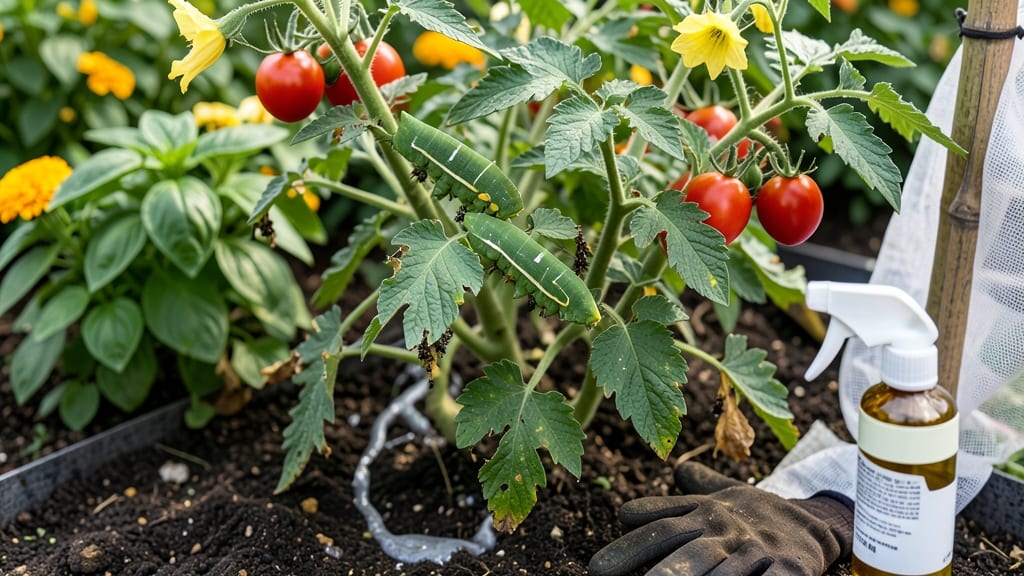
There’s something eating your tomato leaves—and it’s not the wind. 🌱 The culprits are often smaller than you think: slugs leave silvery trails, caterpillars chew jagged edges, and rabbits take entire leaves overnight.
I’ve lost entire plants to these pests, but these 3 simple steps saved my harvest last summer.
First, spot the damage: look for chew marks, holes, or droppings. Slugs leave slimy trails at night, while deer tear leaves cleanly. Once you identify the pest, you can act fast—before they move on to your peppers. The key is acting early, before the damage spreads.
You’ll protect your plants with foolproof organic fixes: neem oil for soft-bodied pests, diatomaceous earth for crawling insects, and row covers for larger critters. These methods work without chemicals, keeping your garden safe for pollinators and your family.
Even after treating, prevent future attacks with physical barriers, companion plants like basil, and regular inspections. Trust me, once you stop the damage, your tomatoes will rebound faster than you expect—and next season, you’ll spot trouble before it starts.
The Hidden Culprits Behind Missing Tomato Leaves
Tomato plants are a gardener’s pride—until something starts nibbling away at their leaves. 🌿🐛 The damage isn’t just unsightly; it weakens your plants, reduces yields, and can even kill them if left unchecked.
Understanding why this happens is the first step to reclaiming your garden. Below, we break down the most common causes, backed by science, so you can identify the culprit and act fast.
Tomato leaves are a buffet for hungry insects, and some species have a serious appetite for foliage. Here’s how they strike—and why they’re so effective:
- 🐞 Aphids: These tiny, pear-shaped pests cluster on the undersides of leaves, sucking out sap.
Their saliva contains toxins that cause leaves to curl, yellow, and eventually drop. Why it happens: Aphids reproduce at an alarming rate (up to 12 generations per year!) and are drawn to new growth, which is rich in nutrients.
They’re also attracted to tomato plants stressed by drought or overwatering. - Actionable clue: Look for sticky residue (honeydew) on leaves and a trail of ants—aphids "farm" them for protection.
- 🦋 Caterpillars (Tomato Hornworms & Loopers): These caterpillars can devour an entire leaf overnight.
Hornworms, in particular, are voracious—they can grow to 4 inches long and leave behind jagged, skeletonized leaves. - Why it happens: Female moths lay eggs on tomato plants, and the larvae emerge with a single-minded mission: eat everything.
They’re most active at dawn and dusk, making them hard to spot during the day.
- 🐜 Slugs & Snails: These nocturnal mollusks leave behind silvery slime trails and irregular, ragged holes in leaves. They’re especially active after rain or in humid conditions. - Why it happens: Their soft bodies require moisture, so they target plants near damp soil or shaded areas.
They’re also attracted to the high moisture content in young, tender tomato leaves.
- 🐜 Spider Mites: Though tiny (1/50th of an inch), these arachnids cause massive damage by piercing cells and draining chlorophyll.
Infested leaves turn yellow, then brown, and drop prematurely. - Why it happens: They thrive in hot, dry conditions and multiply rapidly (up to 200 eggs per female!). Tomato plants under stress—whether from drought, poor soil, or disease—are their favorite targets.
A healthy tomato plant is resilient, but stress makes it an easy target. Here’s how environmental factors open the door to leaf munchers:
- 💧 Overwatering or Underwatering: Both extremes weaken plants, making them vulnerable to pests. - Why it happens: Overwatering leads to root rot, starving the plant of nutrients and attracting slugs/snails (who love damp soil).
Underwatering stresses the plant, reducing its ability to fend off insects like spider mites. - Actionable clue: Check soil moisture 1–2 inches below the surface. It should be damp but not soggy.
- 🌞 Poor Sunlight or Overcrowding: Tomato plants need 6–8 hours of sunlight daily to thrive.
Shady spots or crowded gardens create: - Slower growth (less energy to fight pests). - Higher humidity (ideal for fungal diseases and slugs). - Why it happens: Weak, shaded plants produce softer leaves—easier prey for caterpillars and aphids.
- 🌿 Nutrient Deficiencies: A lack of nitrogen, potassium, or calcium weakens leaves, making them more appealing to pests. - Why it happens: Nitrogen deficiency (yellowing lower leaves) signals poor health, while potassium deficiency (brown leaf edges) reduces the plant’s ability to resist stress.
Aphids and whiteflies are drawn to these nutrient-poor plants.
Not all leaf-eaters are insects. Sometimes, larger creatures are to blame:
- 🐇 Rabbits & Deer: These herbivores may not eat just leaves—they’ll strip entire tomato plants, especially young seedlings. - Why it happens: Tomatoes contain solanine, a natural toxin that deters many pests, but rabbits and deer have evolved to tolerate it.
They’re also attracted to the scent of fresh, growing plants.
- 🐦 Birds & Squirrels: While they don’t usually eat leaves, they can peck at buds and fruits, stressing the plant and making it more susceptible to secondary pests. - Why it happens: Birds may target tomato plants if other food sources (like insects) are scarce.
Squirrels sometimes gnaw on stems or leaves out of boredom.
- 🐸 Frogs & Lizards: Wait—aren’t they helpful? Yes, but they also eat beneficial insects (like ladybugs) that control pests.
A sudden drop in these predators can lead to an aphid or mite explosion. - Why it happens: If your garden lacks water or shelter, these creatures may move on, leaving your tomatoes defenseless.
Some leaf damage isn’t from chewing—it’s from pathogens that weaken the plant, making it an easy snack for pests.
- 🍄 Early Blight & Late Blight: These fungal diseases cause brown, crusty spots on leaves, which eventually drop.
- Why it happens: Fungi thrive in humid, warm conditions (60–80°F) and spread via spores. Weakened plants (from stress or poor airflow) are prime targets.
- 🍄 Powdery Mildew: A white, powdery coating on leaves blocks sunlight, causing them to yellow and fall.
- Why it happens: This fungus loves shady, crowded gardens with poor air circulation. It spreads via wind and water splashes.
- 🦠 Bacterial Spot: Tiny, water-soaked spots on leaves turn yellow and drop, leaving holes.
- Why it happens: Bacteria thrive in wet conditions and spread through contaminated water or tools. Overhead irrigation makes tomato plants especially vulnerable.
💡 Pro Tip: If you suspect disease, remove infected leaves immediately (don’t compost them!) and avoid wetting foliage when watering. Use a fungicide (like neem oil or copper spray) as a preventative measure.
Quick Fixes for Chewed Tomato Leaves
If you’ve spotted something munching on your tomato leaves, don’t panic—there’s a solution for every culprit! Below, we’ve mapped out the most common pests and the best ways to tackle them, from quick fixes to long-term prevention. Grab your gloves and let’s get your tomato plants back in shape!
These nocturnal nibblers leave behind shiny trails and ragged holes. If your leaves look like they’ve been chewed by a tiny, slimy vacuum, slugs or snails are likely the guilty party.
🔥 How to Stop Them
- 🍳 Set Up Beer Traps
- Bury a shallow dish (like a yogurt cup) filled with beer near your plants. The slugs will crawl in and drown—easy cleanup!
- Pro tip: 💡 Use a wider container (like a pie tin) to catch more pests.
- 👨🍳 Create a Copper Barrier
- Slugs hate copper! Bend a copper tape or wire around the base of your tomato plants. The mild electric shock from the metal deters them.
- Budget hack: 🔥 Use old pennies (copper-coated) laid in a circle around plants.
- 🥘 Handpick at Night
- Grab a flashlight and a bucket of soapy water. Slugs come out after dark—crush them or drop them in the soapy water for a humane (but effective) removal.
🌡️ Prevention Tips
- 🎯 Remove hiding spots: Clear debris, boards, and thick mulch where slugs love to hide.
- ☀️ Encourage predators: Birds, frogs, and ground beetles eat slugs—welcome them with a small water source or native plants.
- ✨ Use diatomaceous earth (DE): Sprinkle food-grade DE around plants (but avoid direct contact with leaves—it can harm beneficial insects).
Tiny, clustered insects that suck sap from leaves, causing them to curl and turn yellow? That’s aphids. They’re fast breeders, so act quickly!
🔪 How to Eliminate Them
- 🍳 Blast Them Off with Water
- A strong spray of water (from a hose or spray bottle) will knock them off leaves. Do this in the morning so plants dry quickly.
- Pro tip: 💡 Add a drop of dish soap to the water for extra stickiness.
- 👨🍳 Introduce Ladybugs
- Ladybugs love aphids! Buy them online or attract them naturally by planting marigolds, dill, or fennel nearby.
- 🥘 Neem Oil Spray
- Mix 1 tsp neem oil + 1 tsp mild soap + 1 quart water. Spray directly on aphids (reapply every 5–7 days).
- Caution: 🌡️ Avoid spraying in direct sunlight or on flowers (neem can harm bees).
🎯 Prevention Tips
- 💪 Inspect new plants: Quarantine new additions for a few days to spot hitchhiking pests.
- 🥗 Use reflective mulch: Aluminum foil or silver plastic mulch confuses aphids and reduces infestations.
- ✨ Plant companion flowers: Aphids dislike strong-smelling herbs like basil, mint, and thyme—plant them nearby.
Large, green caterpillars with white stripes and a horn-like tail? Those are hornworms, and they can devour a whole plant overnight.
⏰ How to Remove Them Fast
- 🔥 Handpick Daily
- Check leaves in the morning and evening. Drop hornworms into soapy water—no chemicals needed!
- Fun fact: 🐛 They’re actually harmless to humans (just very destructive to tomatoes).
- 🍳 Use BT (Bacillus thuringiensis)
- A natural bacteria that kills hornworms when ingested. Mix with water and spray on leaves.
- Safe for: 🌱 Bees, pets, and other beneficial insects.
- 👨🍳 Encourage Parasitic Wasps
- Tiny wasps lay eggs in hornworms—their larvae then eat the caterpillar from the inside out. Plant dill or parsley to attract them.
🎯 Prevention Tips
- 💪 Remove eggs: Check the undersides of leaves for tiny white eggs and wipe them off with a damp cloth.
- 🥗 Rotate crops: Avoid planting tomatoes in the same spot yearly to disrupt their life cycle.
- ✨ Plant basil nearby: Hornworms dislike basil—it repels them naturally.
Earwigs chew notches in leaves, while spider mites cause stippling (tiny yellow dots). Both are sneaky but manageable!
🔪 How to Get Rid of Them
| Pest | Quick Fix | Prevention Tip |
|---|---|---|
| Earwigs | 🍳 Roll up damp newspaper as traps | 🌡️ Keep mulch dry and away from plants |
| 👨🍳 Use diatomaceous earth (DE) | ✨ Plant garlic or chives nearby | |
| Spider Mites | 🥘 Spray with water (they hate humidity) | 💪 Introduce predatory mites |
| 🔥 Neem oil or insecticidal soap | 🥗 Use row covers to block infestations |
- 💡 Early detection is key: Check leaves daily (especially undersides) for signs of damage.
- 🌡️ Healthy plants resist pests: Water at the base (not leaves), fertilize properly, and prune for airflow.
- ✨ Rotate your defenses: Mix up methods (e.g., handpick + neem oil + companion planting) to avoid resistance.
With these solutions, your tomato plants should bounce back in no time! Remember, the key is consistency—pests don’t give up easily, but neither should you. Happy gardening! 🌿
Frequently asked questions
What’s the fastest way to tell if slugs are eating my tomato leaves?
Look for silvery slime trails on leaves or soil at dawn—slugs leave these behind. They also create irregular, jagged holes in leaves, unlike clean cuts from larger pests. Check under boards or thick mulch where they hide during the day.
Can I use coffee grounds to stop pests from eating tomato leaves?
Yes! Sprinkle used coffee grounds around your tomato plants—the caffeine deters slugs, snails, and some insects. For extra protection, mix with eggshells (crushed) to create a sharp barrier. Reapply after rain.
Why do my tomato leaves have holes but no visible pests?
Check for spider mites (tiny yellow dots) or earwigs (small notches). These pests hide on leaf undersides during the day. Also inspect for deer or rabbit teeth marks—clean edges suggest larger animals.
Is it safe to use neem oil on tomato plants with flowers?
Neem oil is safe for tomato plants but avoid spraying directly on flowers—it can harm bees. Apply in the early morning or evening when pollinators are less active. For flowering plants, use insecticidal soap instead.
How long does it take for diatomaceous earth to work on tomato pests?
DE works within 24-48 hours for crawling pests like slugs and earwigs. Reapply after rain or watering since it loses effectiveness when wet. For best results, sprinkle a thin layer around (not on) leaves.