
Companion Plants
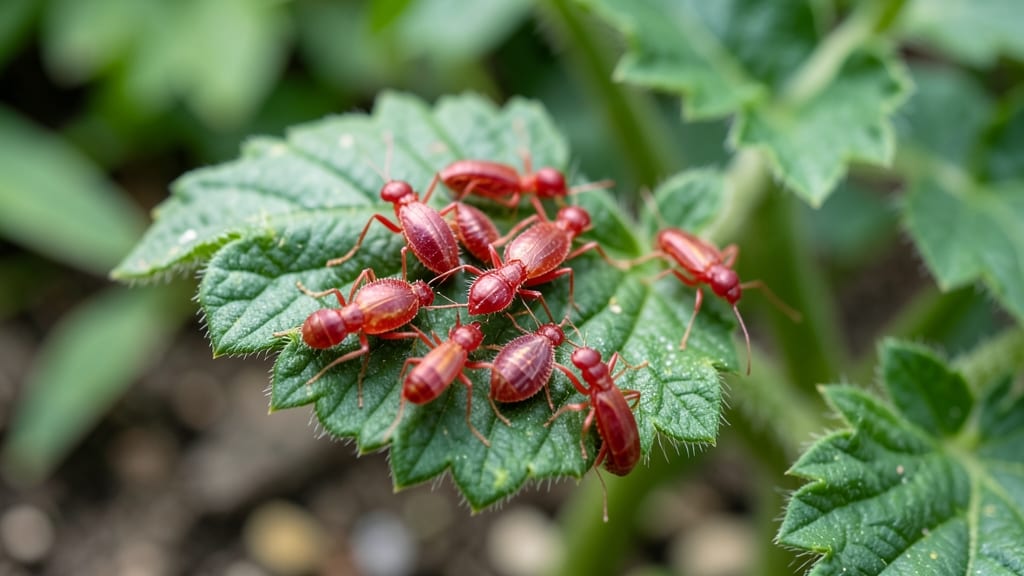
Those tiny red insects on tomato plants?
They’re likely tomato hornworms or red spider mites—both of which can strip your plants bare if you don’t act fast. 🌱 I’ve battled both in my garden, and the good news is that identifying them takes seconds, and eliminating them takes minutes—not hours of spraying.
The first step is spotting the difference: hornworms are 2-4 inch caterpillars with red stripes, while spider mites are microscopic red dots on the undersides of leaves. Both thrive in hot, dry conditions, so check your plants after a dry spell.
A quick once-over with a magnifying glass (or even your phone’s camera) reveals the culprit.
Once you know what you’re dealing with, the fixes are simple: handpick hornworms (they’re easy to spot) or blast spider mites with a strong spray of water. For stubborn cases, neem oil or insecticidal soap works like a charm—just mix and spray in the evening to avoid harming bees.
Prevention is key: mulch heavily to retain moisture, plant basil nearby (it repels hornworms), and water early in the day to discourage spider mites. Your tomatoes will bounce back faster than you think!
Root Causes Of Tiny Invaders
When you spot bright red insects feasting on your tomato plants, it’s usually one of three main culprits—each with distinct habits and triggers. Understanding why they show up helps you stop them before they spread. Let’s break down the science behind their arrival, so you can act fast.
Tomato plants under stress—whether from heatwaves, drought, or poor soil—release volatile organic compounds (VOCs) that act like a dinner bell for pests. Red insects like tomato hornworms (in larval stage) or red spider mites are drawn to stressed plants because:
- Weakened defenses: Stressed plants produce fewer alkaloids (natural insect repellents), making them easier targets.
- Sap-rich leaves: Heat or drought causes plants to overproduce sugars in leaves, creating a sweeter, more appealing snack for sap-suckers.
- Thin cell walls: Under stress, tomato leaves become more delicate, allowing mites to pierce them effortlessly.
💡 Pro Tip: Mulch with straw or wood chips to retain moisture and reduce soil temperature spikes. Water deeply in the early morning to avoid evening evaporation.
Red insects thrive when their natural enemies (like ladybugs, lacewings, or parasitic wasps) are missing. This happens because:
- Pesticide overuse: Broad-spectrum chemicals (e.g., neonicotinoids) kill both pests and beneficial bugs, creating a vacuum that red invaders rush to fill.
- Monoculture gardening: Planting only tomatoes (or other nightshades) starves predator populations by removing their alternative food sources (e.g., aphids on basil or dill).
- Seasonal timing: Some predators (like braconid wasps) emerge after red spider mites or hornworms, giving pests a head start.
🎯 Action Step: Plant companion plants like basil, marigolds, or dill to attract predator bugs. Avoid harsh chemicals—opt for neem oil or insecticidal soap instead.
Red insects often hitchhike into gardens via contaminated tools, windborne eggs, or infested plant debris. Here’s how sloppy habits invite them:
- Last year’s leftovers: Eggs from red spider mites or hornworm moths can survive winter in dead leaves, mulch, or soil.
- Unwashed tools: Pruners or gloves used on infected plants can transfer eggs or larvae to healthy tomatoes.
- Wild hosts nearby: Weeds like nightshade or blackberry harbor red pests that migrate to your tomatoes when conditions are right.
✨ Prevention Checklist:
- Sterilize tools with 70% rubbing alcohol between plants.
- Remove and burn or compost (in a sealed bin) all plant debris after harvest.
- Inspect new plants for eggs or webbing before transplanting.
Now that you know why these red pests crash your tomato party, the next step is identifying them and kicking them out—permanently. 🚫🐜
How to Fix It Naturally
Once you’ve identified those pesky red invaders—whether they’re red spider mites, tomato hornworms, or red tomato mites—it’s time to act fast. The good news? Most solutions are simple, chemical-free, and effective if applied correctly.
Below, we’ve broken down the best fixes for each common culprit, plus prevention tips to keep your tomato plants thriving.
---
Red spider mites are tiny but destructive, sucking sap and causing yellowing leaves. Here’s how to evict them:
#### 🍳 Homemade Spray Solutions (Safe & Fast) 1. Neem Oil Spray 🌿 - Mix 1 tsp neem oil + 1 tsp mild soap + 1 quart water. - Spray directly on undersides of leaves (where mites hide) every 3-5 days until gone. - Why it works: Disrupts their life cycle and smothers them.
2. Water Blast (For Heavy Infestations) 💦 - Use a strong spray nozzle to blast mites off leaves. - Do this early morning so leaves dry quickly (mites hate humidity).
3. Reflective Mulch Trick 🪐 - Cover the soil with aluminum foil or reflective mulch—mites prefer dry, bright conditions. - Bonus: Confuses them and reduces egg-laying.
#### 💡 Prevention Tips - Keep plants hydrated—mites love dry conditions. - Prune crowded foliage to improve airflow. - Release predator mites (like Phytoseiulus persimilis) if infestations recur.
---
These striped caterpillars can devour a tomato plant overnight. Here’s how to stop them:
#### 🔪 Handpick & Destroy (Best Method) - Go hunting at dawn/dusk when they’re sluggish. - Drop them in soapy water (never release them—they’ll return!). - Pro move: Check both sides of leaves and near flowers.
#### 🌿 Plant Allies to Confuse Them - Basil, dill, or marigolds near tomatoes repel hornworms naturally. - Bt (Bacillus thuringiensis) spray (organic pesticide) works if you spot eggs.
#### 🎯 Prevention Tips - Remove egg masses (tiny white clusters on leaves). - Use row covers early in the season to block moths. - Encourage parasitic wasps (they hunt hornworms naturally!).
---
These microscopic pests cause stunted growth and crinkled leaves. They’re trickier but beatable:
#### 🧼 Strong Soap Spray (Key to Success) - Mix 1 tbsp horticultural oil + 1 tbsp castile soap + 1 gallon water. - Spray thoroughly (they hide in leaf folds) and repeat every 5 days for 2 weeks. - Why soap works: Breaks their waxy coating.
#### 🌱 Systemic Treatment (For Bad Cases) - Imidacloprid (organic systemic pesticide)—soak roots in a diluted solution (follow label). - Last resort: Only use if mites persist after other methods.
#### ✨ Prevention Tips - Avoid over-fertilizing (mites love soft, new growth). - Rotate crops—don’t plant tomatoes in the same spot yearly. - Inspect new plants before bringing them home.
---
No matter the pest, strong plants resist attacks better.
Follow these year-round habits: - Water at the base (not leaves) to avoid fungal issues that attract pests. - Rotate crops every 3 years to break pest cycles. - Mulch with straw to deter crawling insects. - Inspect plants weekly—catch problems early!
--- Remember: The key is consistency. Most pests take 2-3 weeks to fully eradicate, so stick with your chosen method until your tomatoes are pest-free! 🍅💪
Frequently asked questions
Are those red spots on my tomato leaves actually insects?
Not always! Tiny red spots could be red spider mites (microscopic) or even rust fungus (which looks like orange pustules). Use a magnifying glass or phone camera to check for movement—real insects will scurry when you tap the leaf. If no movement, it’s likely a disease needing fungicide.
Will my tomatoes still grow if I have red insects?
Maybe, but expect stunted growth or poor fruit quality. Hornworms can defoliate plants overnight, while spider mites weaken them by sucking sap. Act within 3-5 days of spotting them to save your harvest—neem oil or handpicking works fastest.
Can I use regular dish soap to kill red insects?
Only horticultural or castile soap is safe—regular dish soap can damage plant leaves. Mix 1 tablespoon soap + 1 quart water and spray undersides of leaves where mites hide. Test on a small area first to avoid leaf burn.
How do I know if my red insects are hornworms or mites?
Check size and behavior: Hornworms are 2-4 inches long with red stripes and move slowly (they’re caterpillars!). Spider mites are microscopic red dots visible only with magnification, often with fine webbing on leaf undersides.
Will my neighbor’s tomatoes infect mine with red insects?
Wind carries hornworm eggs and spider mite webs easily. Keep plants 3-4 feet apart and inspect new growth weekly. If neighbors have pests, suggest they treat theirs too—your tomatoes will thank you!