
Companion Plants
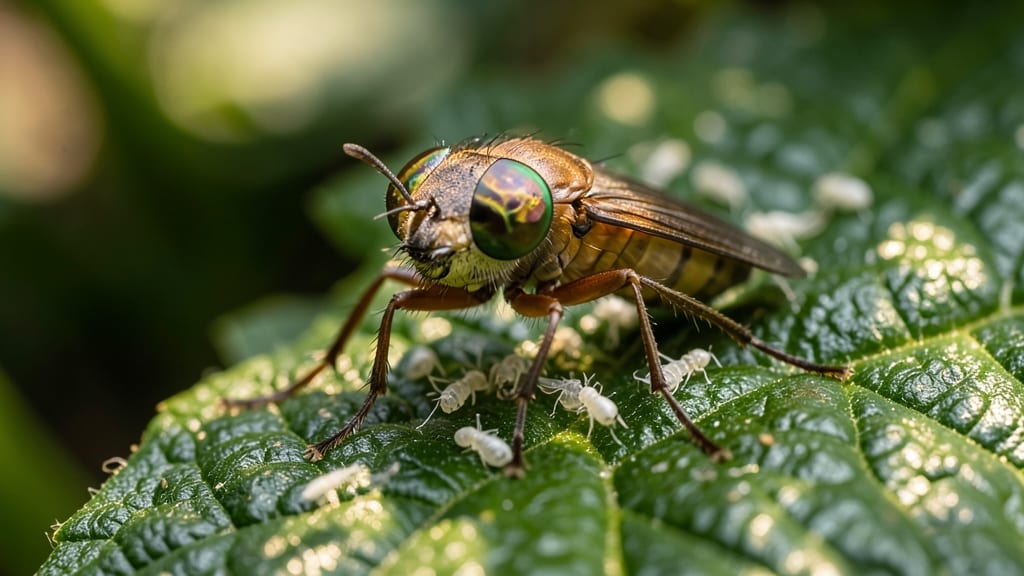
Not all insects on tomato plants are pests—some are your garden's best allies. Discover these 10 beneficial insects that naturally control harmful bugs, boost plant health, and protect your tomato harvest without chemicals.
Ladybugs for Aphid Control
If your tomato plants are under siege by aphids, spider mites, or whiteflies, ladybugs are your tiny, spotted allies. These cheerful beetles aren’t just cute—they’re voracious predators that can devour hundreds of pests in a single day, making them a cornerstone of organic pest control.
To attract them, plant dill, fennel, or marigolds nearby, as these flowers provide nectar and shelter. Avoid pesticides, as ladybugs are sensitive to chemicals. Release them in the early morning or evening when temperatures are cooler, and provide a shallow water source (like a damp sponge) to keep them hydrated. Their larvae are even more effective hunters than the adults!
Perfect for beginner gardeners and organic growers, ladybugs require minimal effort but deliver maximum protection. With their help, your tomato plants can thrive without a single spray. 💚
Lacewings and Their Larvae
Watching your tomato plants get munched by tomato hornworms can be heartbreaking—but lacewing larvae are nature’s answer to this common problem. These tiny, spiky predators are the ultimate cleanup crew for young tomato plants, devouring pests like hornworms, aphids, and caterpillars with ruthless efficiency.
Lacewings are most effective when their larval stage is active, which occurs in warm, moist conditions. To attract them, plant dill, fennel, or yarrow nearby—they love these flowers. You can also purchase lacewing eggs or larvae online and release them at dusk when pests are most active. Just avoid chemical sprays, as lacewings are sensitive to pesticides.
Perfect for organic gardeners and those with young tomato plants, lacewings offer a chemical-free way to keep your harvest safe. Their presence means fewer hornworms and healthier plants—without the need for harsh interventions. 🌿
Parasitic Wasps for Hornworm Control
Tired of finding hornworms skeletonizing your tomato plants overnight? Tiny parasitic wasps offer a natural, chemical-free solution by turning these pests into their own nurseries. These wasps lay eggs inside hornworms, and when the larvae hatch, they consume the hornworm from within—eliminating the problem at its source.
To attract them, plant dill, fennel, or parsley nearby, as these herbs provide nectar for adult wasps. You’ll know they’re working when you spot hornworms with white cocoons clinging to their sides—these are the wasp larvae pupating. Unlike lacewings, which require manual releases, parasitic wasps often find your garden on their own if given the right habitat.
This method is ideal for organic gardeners and those with large tomato patches, as it reduces the need for manual picking or pesticides. Let nature handle the cleanup while you enjoy a thriving harvest. ✨
Ground Beetles in Garden Soil
While you’re focused on daytime pests like aphids or hornworms, ground beetles are already patrolling your garden at night—silently devouring cutworms and slugs that chew through tomato seedlings and fruit.
These shiny, oval-shaped beetles thrive in moist, well-drained soil and are most active after dark, making them the unsung heroes of organic pest control. To encourage them, leave leaf litter around plant bases, avoid excessive tilling, and plant native perennials like clover or yarrow nearby for habitat.
Tomato growers in cooler climates will especially appreciate their help, as ground beetles are cold-hardy and active throughout the growing season. 🌱
Spiders for Webbing Pest Control
Skip the spray bottle—your tomato plants already have built-in pest control. Garden spiders like orb-weavers silently patrol your plants, trapping whiteflies, moths, and other flying pests in their webs before they can damage leaves or fruit.
These eight-legged allies thrive in sunny, slightly damp areas and don’t require any special setup—just leave some space between plants for their webs. They’re especially effective against soft-bodied insects that plague tomato foliage, offering year-round protection without chemicals.
Perfect for gardeners who prefer hands-off solutions, spiders work best in diverse ecosystems where other predators (like ladybugs) also live. Just avoid shaking their webs when harvesting! 🌿
Hoverflies Mimicking Bees
If you’ve ever watched a bee-like insect darting around your tomato plants, it might not be a bee at all—it could be a hoverfly! These beneficial pollinators mimic bees to trick predators while secretly boosting your garden in two ways: adults pollinate tomato flowers, and their larvae feast on aphids, the tiny pests that drain plant sap.
Adult hoverflies are easy to spot with their yellow-and-black striped bodies, but their real superpower lies in their larvae. A single larva can consume hundreds of aphids during its development, making them a natural solution for organic gardeners. To attract them, plant dill, fennel, or marigolds nearby—they love these flowers for nectar and will stick around to protect your tomatoes.
Perfect for organic gardeners and those avoiding pesticides, hoverflies turn your tomato patch into a self-sustaining ecosystem. Just add some native flowers, and you’ll have both pollinators and pest control working for you! ✨
Praying Mantises as Generalists
Tired of losing tomato plants to a smorgasbord of pests? The praying mantis might be your garden’s secret weapon—this generalist predator dines on beetles, caterpillars, and even small moths, making it a dynamic ally for tomato growers.
Unlike specialized predators, mantises don’t focus on one pest—they’ll eat anything that moves, including tomato hornworms and aphids. To attract them, plant tall, dense foliage like sunflowers or lavender near your tomatoes, and avoid pesticides that harm their prey. A single mantis can consume hundreds of insects in a season, giving your plants a fighting chance.
Perfect for gardeners who want a low-maintenance, chemical-free solution, mantises thrive in warm climates but can adapt to containers in cooler areas. Just add water and wait for these stealthy hunters to move in! 🌿
Damsel Bugs for Thrips Control
If your tomato plants are struggling with thrips or mites, these tiny but mighty predators might be your secret weapon. Damsel bugs are specialized hunters that target these pests, protecting your blossoms and fruit from damage while keeping your garden thriving.
These slender, brown insects with long legs stalk their prey—thrips and mites—using their piercing mouthparts to suck out fluids. They thrive in warm, dry conditions and are most active during the day, making them perfect for tomato plants in full sun. To attract them, plant dill, fennel, or marigolds nearby, as they love these companion plants.
Damsel bugs are ideal for gardeners dealing with blossom-end rot or scarred fruit caused by thrips. Their presence means fewer chemical treatments and healthier plants. 🌟
Big-Eyed Bugs for Soft-Bodied Pests

When your tomato plants are under siege by aphids and whiteflies, don’t reach for sprays—bring in the big-eyed bugs! These tiny predators specialize in piercing and sucking soft-bodied pests, making them a precision tool for heavy infestations.
Big-eyed bugs (family Geocoridae) thrive in warm climates and are especially effective in container gardens or greenhouses where pests cluster. They target aphids, whiteflies, and mealybugs, reducing damage to fruit and foliage. To attract them, plant dill, fennel, or marigolds nearby—they love these flowers for nectar and shelter.
Perfect for organic gardeners or those with limited space, these bugs are low-maintenance allies. Just avoid broad-spectrum pesticides, and they’ll multiply naturally. 🌿
Nematodes in Healthy Soil
While most gardeners focus on visible pests like aphids or hornworms, the real underground guardians of your tomato plants are beneficial nematodes. These microscopic predators silently patrol the soil, targeting root-feeding pests like grubs and beetle larvae that weaken tomato roots.
Available in powder or liquid form, nematodes like Steinernema carpocapsae or Heterorhabditis bacteriophora are applied to moist soil, where they seek out and kill pests within days. They thrive in warm soil (60-85°F) and don’t harm plants, pets, or humans—just the bad bugs. For best results, apply them in the evening when soil is damp and temperatures are mild.
Perfect for organic gardeners and those dealing with root damage or stunted tomato growth, nematodes offer a chemical-free solution that improves soil structure over time. 💚